Last updated: April 2026 — Morocco Service Tours
Introduction to Sahara Desert Tours in Morocco
Few travel experiences rival the raw, otherworldly majesty of the Sahara. Sahara Desert Tours transform one of Earth’s most dramatic landscapes — rolling golden dunes, ancient caravan routes, and star-filled skies — into an unforgettable adventure. Whether you’re a first-time visitor or a seasoned explorer, the Sahara delivers something genuinely profound.
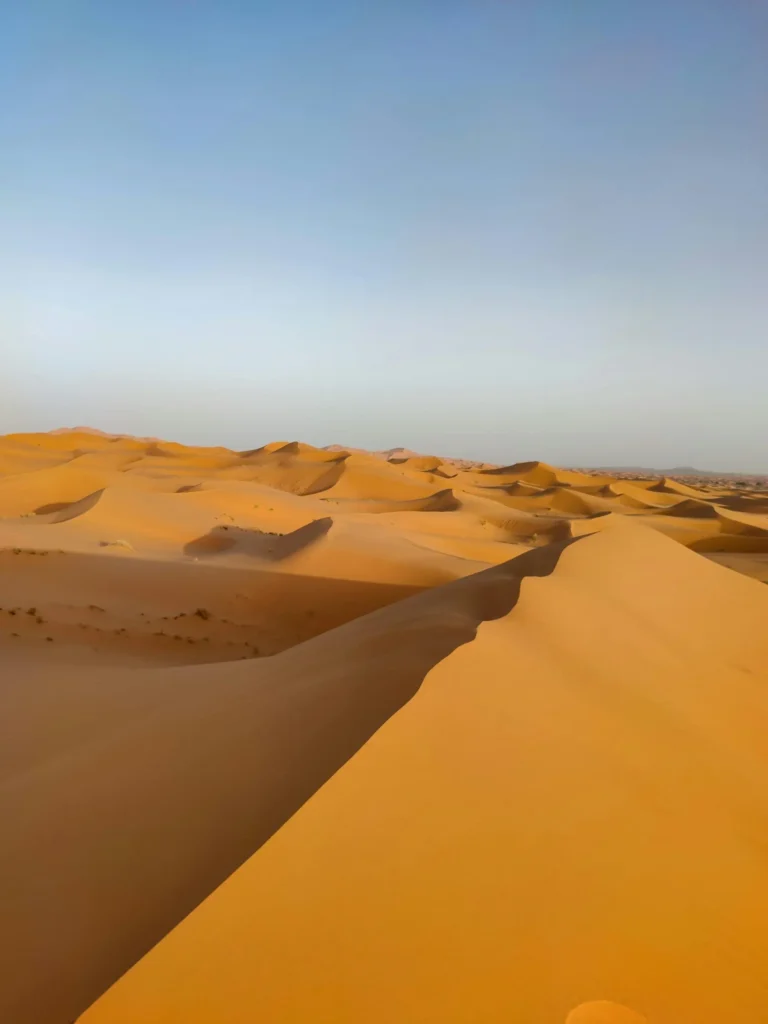
Spanning over 3.6 million square miles across North Africa, the Sahara is the world’s largest hot desert, yet Morocco’s slice of it remains the most accessible and tour-ready. Options range widely — budget-friendly packages starting around $150 to luxury multi-day expeditions — meaning there’s a meaningful desert experience for nearly every traveler.
This guide covers everything: choosing the right tour format, timing your visit, packing essentials, camel trekking, desert camp experiences, and much more. Finding your ideal match starts with understanding what’s actually available.
Choosing the Right Morocco Sahara Desert Tour
Selecting the ideal tour shapes everything — from the landscapes you’ll witness to the memories you’ll carry home. Morocco Sahara Desert tours vary widely in duration, style, and departure point, making it essential to align your choice with your travel priorities before booking.
Tour Format: The structure of your desert experience, whether a private guided journey, small-group expedition, or self-drive adventure, determines your pace, access, and overall immersion level.
Key factors to consider include:
- Duration: A quick 2-day escape from Marrakech suits time-pressed travelers, while multi-day treks reward those craving deeper immersion
- Group size: Private tours offer flexibility; small-group options deliver social energy and lower cost
- Departure point: Marrakech, Fes, and Casablanca each offer distinct route experiences
The right tour isn’t simply the most affordable — it’s the one that matches your comfort threshold, interests, and available time. Of course, when you visit matters just as much as how you tour.
Best Time to Visit the Sahara Desert
Timing your Sahara adventure correctly can mean the difference between a transcendent experience and an overwhelming one. Peak season — broadly October through April — delivers daytime temperatures between 20–25°C, making activities like a Merzouga Desert Tour genuinely enjoyable rather than a test of endurance. Nights can dip to around 5°C, so packing layers is essential even during these milder months. This is also the ideal window for exploring the surrounding villages near the dunes comfortably.
Shoulder season: The transitional months of March–April and October–November offer thinner crowds alongside pleasant temperatures — arguably the sweet spot for most travelers.
Summer months (June–August) bring extreme heat, regularly exceeding 40°C, which limits outdoor exploration to early mornings and evenings. However, budget-conscious travelers willing to adapt their schedule can find significantly reduced tour prices during this period. With the right preparation and expectations, even summer visits hold their own dramatic appeal — vast, shimmering golden dunes with almost no other tourists in sight.
The right timing ultimately aligns with your priorities: photography, comfort, or affordability. For those planning a longer journey, our multi-day desert route from Marrakech offers flexible seasonal scheduling to match any window. With the season settled, the next step is mapping out exactly where you’ll go — which is where carefully crafted itineraries make all the difference.
Popular Itineraries for Sahara Desert Tours
With timing and tour style already in mind, the next practical question is: which route actually fits your schedule? Sahara Desert tour itineraries — structured travel routes connecting key destinations between departure cities and the desert — range from compact weekend escapes to sweeping cross-country journeys.
The classic Marrakech Desert Tour follows a well-loved corridor south through the High Atlas Mountains, past the rose-filled Dadès Valley, and into the dunes of Merzouga. A 3-day route from Marrakech covers these highlights efficiently, making it the go-to choice for travelers with limited time. Longer 7- or 10-day circuits fold in Fes, Aït Benhaddou, and the Draa Valley, layering cultural depth onto the desert experience.
Merzouga: A small Berber village on the edge of the Erg Chebbi dunes, widely considered Morocco’s premier desert destination for camel trekking and overnight camp stays.
Itinerary length significantly shapes what you’ll absorb. Shorter routes deliver the iconic dune sunset and camelback sunrise; longer ones allow detours into quieter erg formations — vast, wind-sculpted sand seas — and remote Berber villages rarely touched by mass tourism. The right length depends on your priorities, which makes the comparison between multi-day tours and quick excursions worth examining closely.
Comparison: Multi-day Tours vs. Short Excursions
Choosing between a multi-day expedition and a quick overnight trip is one of the most consequential decisions you’ll make when planning a Sahara adventure. Both formats deliver genuine desert magic — but they serve very different travelers.
Short excursions (one to two nights) are ideal for those with tight itineraries. A classic Marrakech-to-Merzouga escape packs a camel trek Sahara experience, a night under the stars, and a sunrise dune walk into a focused, efficient package.
Multi-day tours, on the other hand, allow the desert to reveal itself gradually — through changing landscapes, remote kasbahs, and deeper cultural encounters.
Immersion factor: The longer you stay, the more the Sahara shifts from a backdrop to an experience that genuinely reshapes your perspective.
Key differences at a glance:
- Cost vs. depth: Short trips cost less upfront but often sacrifice authenticity
- Physical pacing: Multi-day formats allow acclimatization to heat and terrain
- Cultural access: Extended tours unlock Berber village stays and local traditions
In practice, travelers who invest three or more days consistently report richer, more memorable experiences. That said, even a single night camping beneath a billion stars carries transformative weight.
The format you choose will naturally shape your budget — which leads to the next essential planning question.
Cost Considerations for Sahara Desert Tours
Budgeting for a Sahara adventure involves more variables than most travelers expect. Prices shift depending on tour duration, group size, accommodation tier, and the route you choose — whether that’s a straightforward overnight or an immersive 4-day journey from Marrakech to Fes through the dramatic southern landscapes.
Price range refers to the spectrum of costs across tour types, typically running from budget-friendly group excursions to premium private experiences. As a general benchmark, overnight group tours to the iconic Erg Chebbi Dunes start around $100–$150 per person, while private multi-day packages can reach $500 or more. Accommodation choice — standard desert camp versus luxury glamping — is often the single biggest cost driver.
A few factors worth weighing:
- Group vs. private: Group tours offer significant savings; private tours deliver flexibility
- Inclusions: Confirm whether camel treks, meals, and transport are bundled
- Seasonality: Peak season (October–March) may command higher rates
Hidden costs — such as tips for camel guides, optional sandboarding, or upgrades to private tents — can add $30–$60 per person if you’re not prepared.
The right budget ultimately reflects what matters most to you. Once you’ve aligned cost with expectations, the real question becomes: what will you actually do out there?
Key Experiences in the Sahara Desert
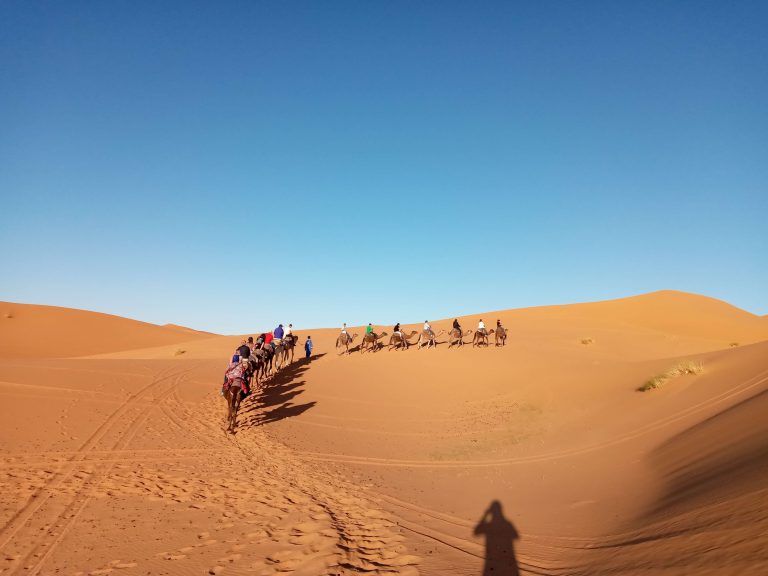
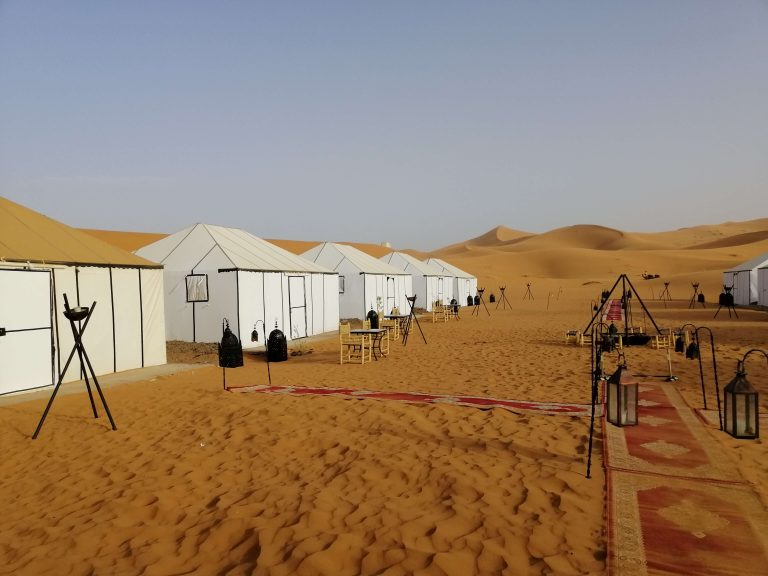
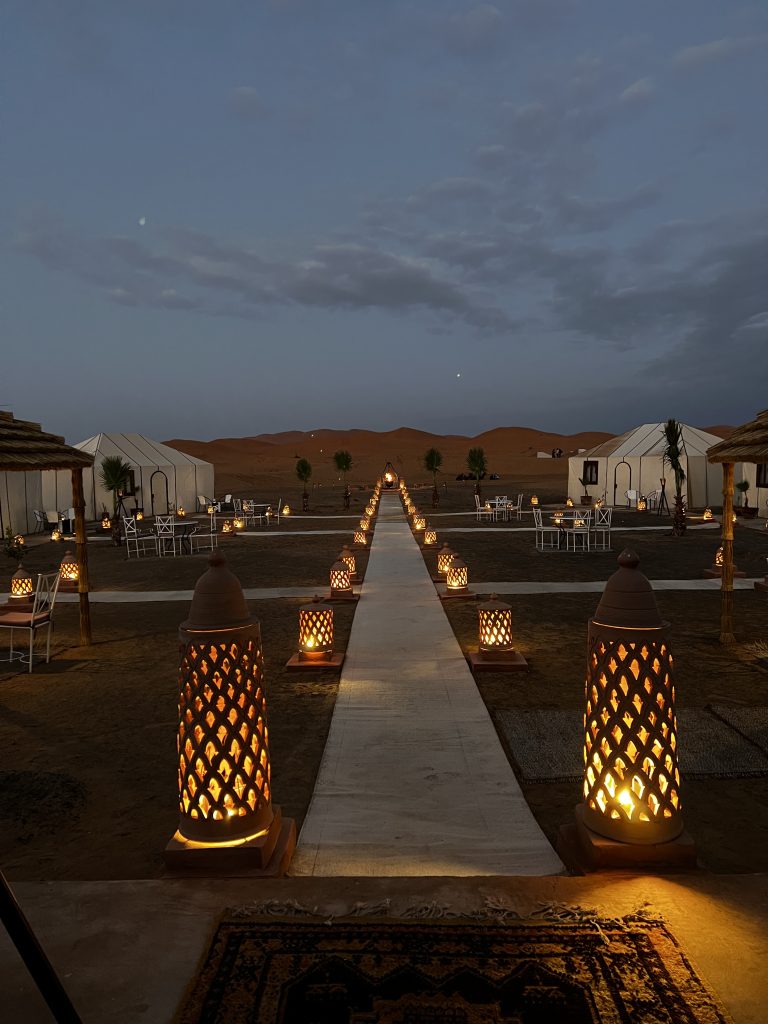
The Sahara delivers moments that stay with travelers for a lifetime — and knowing what to expect helps you make the most of every one. Among the most iconic is the Desert Camp Overnight, a stay in a traditional Berber-style tented camp nestled among the dunes. Sleeping under an impossibly star-filled sky, far from city light pollution, is consistently ranked as the highlight of any Sahara journey.
Beyond the overnight camp, standout experiences include:
- Camel trekking across the erg at sunrise or sunset
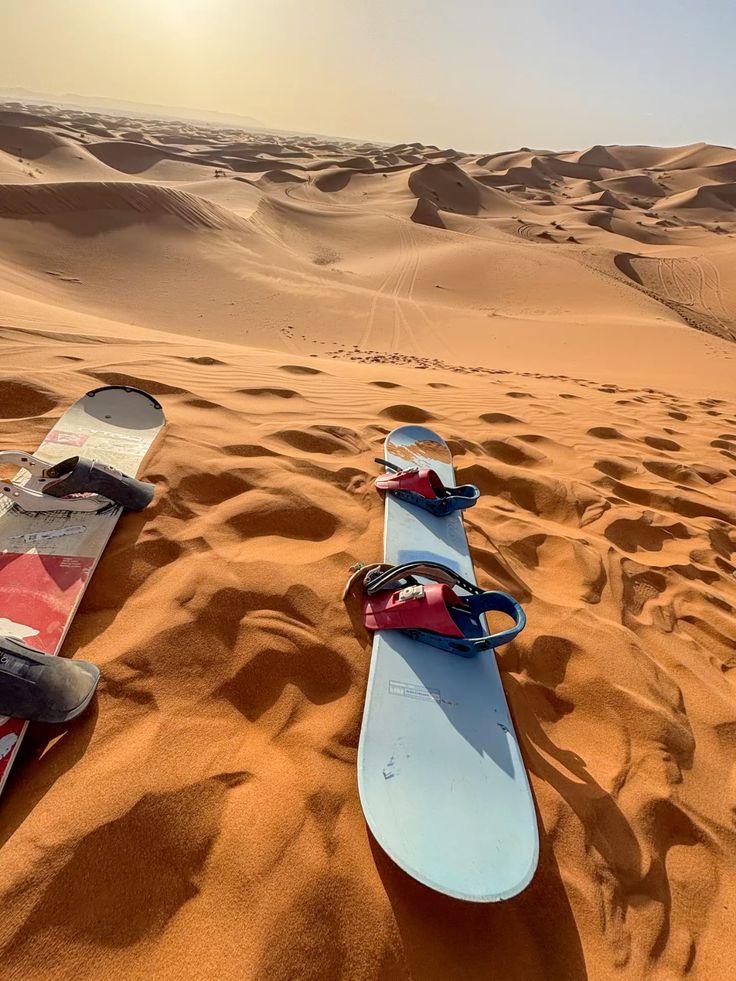
- Sandboarding down towering dune faces
- Traditional Berber music around a campfire
- 4×4 desert excursions to remote oases and fossil sites
The Sahara rewards those who slow down — its most powerful moments unfold at dawn, when silence and golden light transform the dunes entirely.
Explore curated desert itineraries from Marrakech to find packages that bundle these signature experiences seamlessly. As you plan, it’s worth knowing that some experiences come with practical trade-offs — which the next section covers in full.
Limitations and Considerations
Every Sahara adventure comes with trade-offs worth understanding before you commit. The desert is remote, and that remoteness — while magical — creates real logistical challenges. Extreme heat during summer months (June through August) can reach 104°F (40°C) or higher, making daytime activities genuinely uncomfortable or even dangerous for some travelers.
Overnight stays at a Berber Camp — a traditional desert encampment run by indigenous Amazigh communities — are central to the Sahara experience, but comfort levels vary widely. Some camps offer glamping-style amenities; others provide far more basic facilities with limited electricity and shared bathrooms. Setting accurate expectations ahead of booking prevents disappointment.
Physical accessibility is another honest caveat. Camel trekking and sand-dune hiking demand moderate fitness, and travelers with mobility limitations should confirm accommodations with operators directly. Connectivity is also sparse — most areas near Merzouga have unreliable mobile signal.
Traveler’s note: Conditions in the Sahara change fast. Sandstorms, though rare, can disrupt itineraries without warning — build flexibility into your schedule.
For a broader look at planning your full Morocco itinerary, including how to combine the Sahara with other destinations, our dedicated guide covers the essentials. Still have questions about what to expect on the ground? The next section tackles the most common traveler queries head-on.
Frequently Asked Questions About Sahara Desert Tours
Is a Luxury Sahara Desert Tour worth the extra cost? Absolutely. Upgraded experiences typically include private desert camps with en-suite tents, gourmet meals under the stars, and exclusive camel treks — a meaningful step above standard group offerings. For travelers who value comfort without sacrificing authenticity, the premium is well justified.
How far in advance should I book? Peak season (October–April) fills quickly. Booking 2–3 months ahead secures better availability and pricing.
Do I need prior desert experience? None required. Reputable operators accommodate all fitness levels, and guides handle logistics entirely.
What should I pack? Layers are essential — desert temperatures swing dramatically between day and night. Sunscreen, a headscarf, and sturdy closed-toe shoes round out the basics, as outlined by experienced Sahara travelers.
Can I combine the Sahara with a city stay? Yes — most itineraries route through Marrakech. If you’re planning your time there, understanding how long to spend in the city helps you build a well-paced trip.
These answers cover the essentials — but choosing the right structured tour package is where planning truly begins.
Sahara Desert Tour
Understanding Sahara Desert Tour Price is often the deciding factor for travelers weighing their options. Costs vary significantly based on duration, departure city, group size, and accommodation tier. A standard three-day group tour typically runs between $150–$300 per person, while private or luxury experiences can reach $500–$1,000+.
Tour Tier: The category of service level — budget, mid-range, or luxury — that determines your camp quality, guide exclusivity, and included activities.
Key pricing factors include:
- Duration: Longer itineraries naturally cost more
- Private vs. group: Private tours command a premium
- Camp style: Glamping tents vs. standard bivouacs
Morocco Sahara Desert Tours on Tripadvisor consistently highlights value-for-money as a top reviewer priority — a signal that pricing transparency matters enormously to first-time visitors.
The right tour isn’t the cheapest or the most expensive — it’s the one that matches your expectations with honest pricing.
With a clear picture of costs and trade-offs in hand, the natural question becomes whether the entire experience truly delivers on its promise.
Is the Sahara Desert Tour Worth It?
Simply put — yes. A Sahara Desert tour delivers experiences that photos can’t fully capture: the silence of endless dunes at dawn, a sky blazing with stars, and the warmth of Berber hospitality around a campfire. These are moments that stay with travelers for a lifetime.
Value Proposition: A Sahara tour offers an immersive combination of natural wonder, cultural connection, and adventure that few destinations on Earth can match.
Practical considerations matter, too. While the journey involves long drives and some physical demands, the payoff is extraordinary. As The Traveling Child notes, even young travelers and families find the experience deeply rewarding when well-planned. The key is choosing the right itinerary for your comfort level and timeline.
The value also scales with how you travel. Budget group tours deliver genuine magic; luxury upgrades amplify the experience with private camps and curated service. Either way, the Sahara doesn’t disappoint. For travelers considering departure points and route options, Marrakech remains one of the most popular and accessible gateways into the desert.
Sahara Desert Tours From Marrakech
Marrakech is the most popular departure point for Sahara Desert tours — and for good reason. The city’s international airport, rich medina, and abundance of tour operators make it the ideal staging ground before heading east toward the dunes of Merzouga.
Marrakech-to-Sahara Route: A classic overland journey covering roughly 560 km (348 miles), passing through the High Atlas Mountains, Dades Valley, and Draa Valley before reaching Erg Chebbi.
In practice, most travelers choose a 3- to 4-day itinerary, which strikes the right balance between immersive desert time and manageable travel distances. The iconic mountain pass at Tizi n’Tichka alone is worth the journey. According to Exodus Travels, Morocco’s desert routes rank among Africa’s most visually dramatic overland experiences — and the Marrakech corridor showcases why.
Before summarizing everything covered in this guide, here’s one truth worth holding onto: the journey from Marrakech to the Sahara is as rewarding as the destination itself.
Key Takeaways
A Sahara Desert tour ranks among the most transformative travel experiences Morocco offers. Whether you’re drawn by the iconic dunes of Merzouga, the vast silence of Erg Chigaga, or the rich culture woven through every kasbahs and nomadic camp, the desert delivers on every front.
A few essentials to keep in mind:
- Tour length matters — three days is the sweet spot for most travelers
- Marrakech is the ideal base for accessing multiple routes
- Season shapes the experience — spring and autumn offer the most comfortable conditions
- Private tours offer flexibility; group tours offer value
The Sahara isn’t just a destination — it’s a perspective shift. As Our Escape Clause notes, the desert has a way of making everything else feel quieter afterward. That feeling alone makes the journey worthwhile.
How Much Is a Trip to the Sahara Desert?
Sahara Desert tour pricing varies widely depending on duration, departure city, group size, and accommodation level. Budget travelers can find basic 3-day group tours from Marrakech starting around $150–$200 per person, while private multi-day tours with luxury desert camps typically run $400–$800+. Organized packages from Western operators naturally sit at a higher price point.
Key cost factors include:
- Transport: Private 4×4 vs. shared minibus
- Camp style: Luxury glamping vs. standard Berber tents
- Tour length: 2-day quickstays vs. week-long expeditions
- Group size: Private tours cost more but offer flexibility
Timing matters too — and that’s worth exploring further when planning your budget, since peak-season demand can push prices noticeably higher.
What Is the Best Time to Visit the Sahara Desert?
Timing your Sahara Desert tour correctly can mean the difference between a magical experience and an uncomfortable one. The desert is a year-round destination, but conditions vary dramatically by season.
Peak Season: The optimal window for visiting the Sahara runs from October through April, when daytime temperatures remain manageable and evenings are pleasantly cool under star-filled skies.
Summer months (June–August) bring brutal heat — often exceeding 104°F (40°C) — making midday exploration genuinely challenging. Spring and autumn strike the ideal balance: warm days, mild nights, and fewer crowds than the winter holiday rush.
December and January are the most popular months, so booking early is essential. Budget-conscious travelers often find better value — and equally stunning conditions — in shoulder months like October or March. Whatever the season, the desert always delivers.
Doing Sahara in Morocco on a Budget
Budget travel in the Sahara is absolutely achievable — it just requires smart planning. Group tours (shared itineraries where costs split between multiple travelers) consistently offer the best value, with basic 3-day packages from Marrakech running as low as $150–$200 per person. Traveling in shoulder season, as covered earlier, compounds those savings further.
A few proven cost-cutting approaches:
- Book directly with local operators rather than international booking platforms
- Join a group departure instead of arranging private transport
- Choose a standard bivouac over luxury glamping camps
- Eat at local tagine spots in Merzouga rather than hotel restaurants
In practice, solo travelers often connect through hostels in Marrakech or Fès to form small groups and negotiate shared tour rates. This approach can cut per-person costs by 30–40% compared to solo private arrangements.
Bivouac: A temporary desert camp featuring traditional Berber tents, communal meals, and overnight stargazing — the budget-friendly alternative to high-end glamping resorts.
Itinerary in Morocco — Thoughts on the Sahara Desert?
Planning a Morocco itinerary that includes the Sahara takes strategic thinking. Most travelers pair the desert with iconic stops like Marrakech, the Fes medina, Aït Benhaddou, and the Draa Valley — creating a route that balances urban culture with raw wilderness.
Circuit itinerary: A structured route connecting multiple destinations in a logical loop, minimizing backtracking while maximizing scenic variety.
A common pattern is a Marrakech–Merzouga loop: depart Marrakech, travel south through the Atlas Mountains and Dadès Gorge, spend one or two nights in the dunes, then return via a different route through Todra Gorge and Ouarzazate. This circuit covers Morocco’s most dramatic landscapes without repetition. For travelers with more time, extending north to Fes transforms the loop into a true cross-country adventure.
Are There Any Multi-Day Trips to the Sahara That Don’t Require a Huge Commitment?
Absolutely — and this is one of the most common questions from travelers who want the desert experience without anchoring their entire Morocco trip around it. Flexible multi-day desert tours are structured itineraries lasting two to four days that combine Sahara access with key cultural stops, all without demanding a week-long detour.
The sweet spot for most travelers is a three-day format: depart Marrakech, travel through the High Atlas and Draa Valley, spend one night in the dunes at Merzouga, then return via a different scenic route. It’s immersive without being overwhelming. Two-day options also exist for tighter schedules, though the trade-off is less time absorbing the desert atmosphere and fewer stops along the way.
Flexible multi-day tour: A pre-packaged desert itinerary — typically two to four days — that includes transportation, accommodation, and guided activities, designed to integrate seamlessly into a broader Morocco trip.
What makes these tours genuinely low-commitment is their modular structure. Many operators build the desert leg as a connector between Marrakech and Fes, meaning you’re not backtracking — you’re advancing your itinerary while experiencing the Sahara en route. That efficiency appeals to travelers with limited vacation days.
What Are the Best Sahara Desert Excursions?
Beyond overnight camel treks, the Sahara offers a surprisingly diverse menu of experiences. The best excursions combine multiple activities to capture the desert’s full character — not just its iconic dunes.
Sandboarding is consistently a crowd favorite: riders descend the steep face of Erg Chebbi’s dunes on a board, blending adrenaline with jaw-dropping scenery. Quad biking across the erg perimeter delivers a different kind of thrill. For something quieter, a sunrise hot air balloon ride over the dunes offers a perspective that photographs simply can’t replicate.
Cultural excursions add real depth. Visits to Ksar Ait Ben Haddou — a UNESCO-listed fortified village — or nomadic Berber camps reveal the human story woven into this landscape. Stargazing sessions guided by local experts rank among the most memorable evenings travelers report.
Erg: A vast sea of sand dunes shaped by wind over millennia, distinct from the rocky desert terrain (known as reg) that surrounds it.
What Is the Cost of a Private Morocco Tour?
Private Morocco tours are fully customized, door-to-door experiences where a dedicated driver-guide tailors the entire itinerary — routing, pacing, and stops — around your preferences rather than a group schedule.
Pricing typically scales with duration and group size. Shorter private desert routes from Marrakech run roughly $150–$250 per person for two travelers, while multi-day private circuits can reach $400–$700+ per person depending on accommodation upgrades and inclusions. Smaller groups generally pay more per head; larger parties offset costs effectively.
Key cost factors include:
- Vehicle type — 4WD SUVs cost more than standard transfers
- Accommodation tier — luxury desert camps versus standard bivouac tents
- Inclusions — camel treks, meals, and guided activities bundled versus à la carte
For a detailed breakdown of what shapes desert tour pricing, our complete guide to Sahara desert tour costs covers every variable in depth.
Sahara Desert Tour
A Sahara desert tour is one of travel’s genuinely transformative experiences — a journey that combines dramatic landscapes, ancient caravan culture, and star-filled nights that are impossible to replicate anywhere else on Earth. Whether you choose a budget group trip, a mid-range organized package, or a fully private itinerary, the Sahara delivers something profound: perspective.
The desert rewards those who plan thoughtfully and arrive open to the unexpected.
Is the Sahara Desert Tour Worth It?
Simply put — yes. A Sahara desert tour consistently ranks among the most memorable travel experiences in the world, and for good reason. The combination of towering golden dunes, camel treks at sunset, Berber hospitality, and an impossibly star-dense sky creates an experience that photographs can’t fully capture.
Value here isn’t purely financial — it’s experiential. Travelers who make the journey routinely describe it as a trip highlight that reframes their entire Morocco itinerary. The logistical effort, travel time, and cost all dissolve the moment the dunes of Erg Chebbi come into view.
The overnight desert camp is the true centerpiece: sleeping under open skies, waking to silence broken only by wind, and watching the dunes shift color with the rising sun. That singular night justifies the entire journey for most travelers.
The next question for most visitors is where to start — and for many, Marrakech is the natural launching point.
Sahara Desert Tours From Marrakech
A Sahara desert tour isn’t just a trip — it’s a story you’ll tell for the rest of your life. The sweeping dunes, the silence of the desert night, the warmth of Berber hospitality — these experiences don’t fade. Whether you spent two days or two weeks, the Sahara leaves its mark.
The desert rewards those who plan thoughtfully. Choose the right season, the right tour length, and the right operator — and everything else falls into place beautifully.
Your next step: Start planning your journey today.
Why Choose Morocco Service Tours
When planning your Shara desert tour, partnering with experienced operators makes all the difference.
Our Advantages:
- Local guides born in desert communities
- Flexible itineraries tailored to your interests
- Transparent pricing with no hidden fees
- Eco-friendly camps supporting local communities
- 24/7 support throughout your journey
We handle the complicated logistics, transportation, accommodation, permits, activities—so you focus on making memories. Whether you’re visiting Morocco for the first time or returning to explore deeper, we create journeys that exceed expectations.
Your Sahara Journey Awaits
Your decision between Khamlia village or Merzouga desert isn’t about right or wrong, it’s about matching method to your personality and priorities.
Ready to book? Contact our team for personalized recommendations matching your travel style, budget, and dates. We’ll help you design the perfect balance of independence and support for your unforgettable Sahara adventure.
Share your desert adventures with us on Pinterest or instagram and inspire fellow travelers!