Introduction to Avoiding Tourist Scams in Morocco
Learning about tourist scams in Morocco doesn’t have to be complicated. Tourist scams Morocco are among the most sophisticated in the world ,and falling for Morocco scams doesn’t mean you’re naive. It means you weren’t prepared. Morocco is a genuinely rewarding destination, rich in culture, history, and hospitality. But its medinas, souks, and popular landmarks also attract opportunists skilled at targeting visitors.
Understanding the landscape before you arrive makes all the difference. From elaborate fake guide schemes to misleading price negotiations, the tactics are varied and often convincing. Knowing what visitors commonly encounter — and how to respond — is your strongest defense before stepping off the plane.
Prerequisites for Safe Travel in Morocco
To avoid scams Morocco throws at unprepared visitors, a little groundwork goes a long way. Think of it as pre-travel inoculation — not paranoia, just preparation.
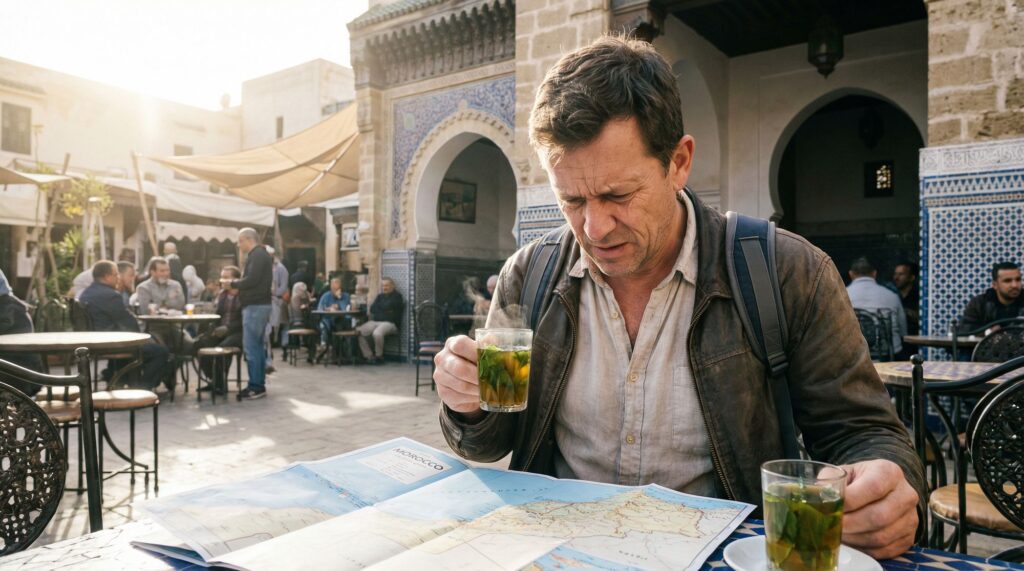
A few practical baselines before you arrive:
- Research your destination honestly. Not every tourist hotspot is predatory. For example, some villages near the Sahara have a reputation for being commercialized but aren’t inherently dangerous.
- Set a mental budget for tips and purchases. Knowing what things cost removes the leverage scammers rely on.
- Use reputable, vetted guides rather than accepting unsolicited help.
According to Happy to Wander, Morocco is genuinely safe for tourists ,but awareness is non-negotiable. The travelers who struggle most are those who arrive without any framework for what to expect. With the right mindset established, the next step is identifying exactly which scams you’re most likely to encounter.
Step 1: Recognize Common Scams in Morocco
Understanding Morocco scams starts with recognizing their patterns — because most follow a predictable playbook. A friendly stranger approaches, an offer seems helpful, and the situation subtly shifts until you’re paying for something you never wanted.
A common pattern is what travelers call the “unsolicited guide” setup: someone offers directions, walks you to your destination, then demands payment. Other frequent schemes include:
- Fake souks and “closed” medinas — you’re redirected to a relative’s shop
- Henna ambushes — a woman applies henna before you’ve agreed, then demands fees
- Carpet shop pressure — free mint tea leads to hours of sales tactics
Knowing the script in advance is one of the most effective defenses against being drawn into it.
If you’re planning a broader trip — say, a first-time route through the country — awareness of these tactics across multiple cities is especially valuable. Marrakech, in particular, has its own variations on these themes that are worth examining closely.
Marrakech Scams: What to Watch Out For
Marrakech is Morocco’s most visited city — and predictably, it has a high concentration of scams. The medina’s labyrinthine layout creates the perfect conditions for fake guides in Morocco travelers repeatedly encounter. Someone “helpfully” offers directions, leads you on a deliberate detour, then demands payment for the unsolicited tour.
A few patterns to recognize immediately:
- The lost tourist setup — someone steers you deeper into the souks before revealing their fee
- Djemaa el-Fna photo traps — snake charmers and henna artists who demand payment after you glance their way
- Tannery “viewpoint” shops — free mint, free view, intense pressure to buy leather goods
One practical approach is booking arrangements in advance. Planned tours with reputable operators eliminate most unsolicited guide encounters entirely. Scammers typically target solo wanderers who look uncertain.
As Happy to Wander notes, confidence is your best defense — walk purposefully, make minimal eye contact, and politely decline with a firm “la shukran” (no thank you).
Of course, scams aren’t the only hazard Marrakech’s bustling streets present — what you eat and drink there matters just as much for staying healthy.
How to Avoid the Stomach Bug in Morocco
Scams aren’t the only hazard worth preparing for — traveler’s diarrhea affects a significant portion of visitors to Morocco, and it can derail your trip just as effectively as any hustle in the medina. The same busy environments where taxi scams in Morocco tourists encounter are also places where food hygiene standards vary widely.
A few practical checkpoints help:
- Drink bottled or filtered water — tap water in cities is technically treated, but sensitive stomachs often react
- Eat at busy, high-turnover stalls where food doesn’t sit
- Avoid raw vegetables and unpeeled fruit from street vendors
- Carry oral rehydration salts as a precaution
Street food is one of Morocco’s genuine pleasures — the goal isn’t avoidance, but informed choices. If you’re venturing into rural areas, reviewing basic safety precautions for remote regions before you go adds an extra layer of readiness. Knowing both the scam landscape and the health landscape puts you in a much stronger position — which is exactly where safe travel practices begin.
Step 2: Employ Safe Travel Practices
Beyond recognizing specific scams, a handful of consistent habits will dramatically reduce your exposure to trouble. Jemaa el-Fna scams in Morocco tend to target distracted or disoriented visitors — so staying composed and deliberate is itself a defense. A common pattern is that confidence alone deters most opportunistic approaches.
Practical steps that work:
- Keep valuables concealed — front pockets, hidden pouches, or a secure daypack
- Ignore unsolicited guidance — if you didn’t ask, don’t follow
- Stay oriented — download offline maps before entering the medina
- Travel with a reliable method between cities to avoid unofficial “helpers” at transport hubs
Unverified locals offering to carry bags or lead you somewhere “better” rarely have your interests at heart. These behaviors hold true whether you’re in Fes, Chefchaouen, or the Sahara — where even remote destinations require standard precautions.
Of course, safe practices only go so far if your assumptions about Morocco are already off-base — which is exactly what the next section addresses.
Conventional Wisdom vs. Reality: Travel Safety in Morocco
Morocco’s reputation for scams is real — but it’s frequently overstated. A common pattern is that first-time visitors either arrive over-trusting or so anxious they miss the genuine warmth the country offers. The truth sits squarely in the middle.
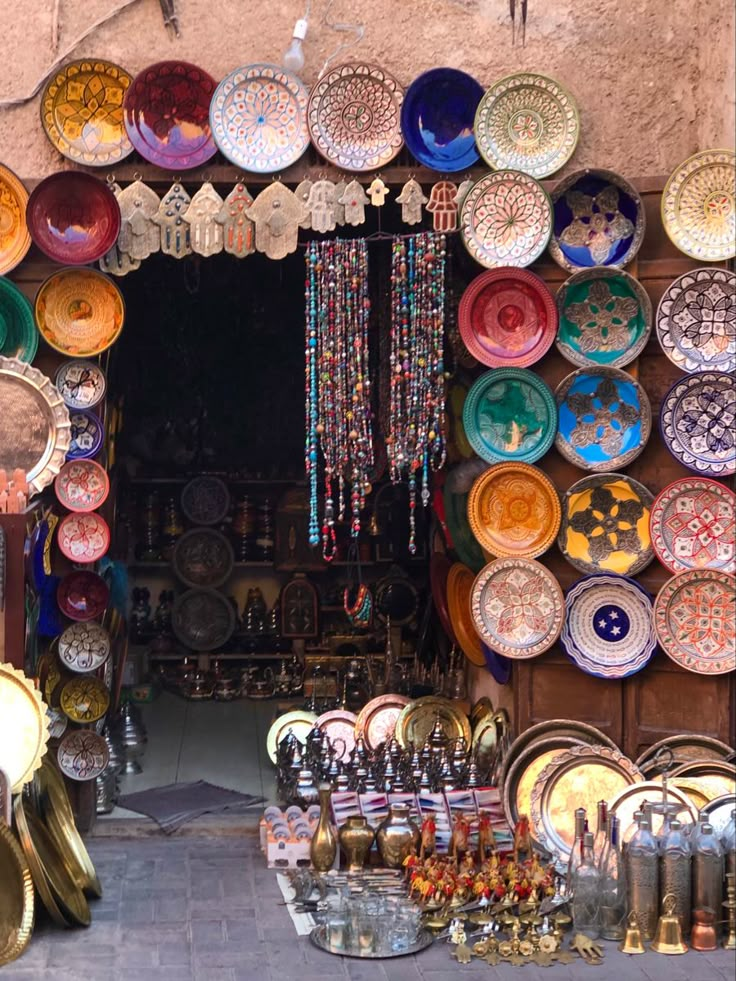
Souk scams Morocco travelers encounter are well-documented, yet most interactions in the medinas are straightforward commerce. The key distinction is preparation over paranoia. Vendors negotiate hard; that’s culture, not deception.
One practical reality: guided experiences reduce exposure significantly. Structured trips — like organized Sahara excursions from Marrakech — eliminate the unstructured wandering where most opportunistic scams occur.
Understanding this balance sets you up well for knowing exactly what to do when — not if — a suspicious situation arises.
Step 3: What to Do if You Encounter a Scam
Even well-prepared travelers occasionally get caught off guard. Knowing how to respond in the moment matters as much as prevention.
Stay calm and disengage firmly. Most scams rely on social pressure and confusion. A clear, neutral “no thank you” — repeated if necessary — is usually enough to end the interaction. Avoid arguing or making accusations publicly, as escalation rarely helps.
Don’t pay for unsolicited services. If someone guides you somewhere or hands you goods you didn’t request — including fake products like argan oil products dressed up as premium — you’re under no legal or social obligation to pay.
Report serious incidents to the tourist police (Brigade Touristique), who operate specifically to handle visitor complaints in major cities. For context on what to expect in Marrakech, understanding which areas have active police presence helps set realistic expectations.
The key principle: a confident, unhurried response removes the leverage most scammers depend on — and that alone resolves most situations quickly. Still, even solid instincts have their limits.
Limitations and Considerations
No scam-prevention strategy is foolproof. Even experienced travelers who’ve read every guide and memorized every warning can still encounter situations that catch them off guard. Tactics evolve, and what worked as a red flag two years ago may look entirely different today.
It’s also worth acknowledging that cultural differences can blur the line between a scam and a misunderstanding. Not every persistent vendor is running a con — some simply operate in a high-pressure sales culture where negotiation is expected. Overcorrecting into suspicion can mean missing genuine interactions.
The practical scenarios that follow will help put these limitations in clearer context.
Example Scenarios: Navigating Moroccan Markets
Understanding scam tactics in the abstract is useful. Seeing how they play out in practice is more useful still. These scenarios illustrate common patterns visitors encounter.
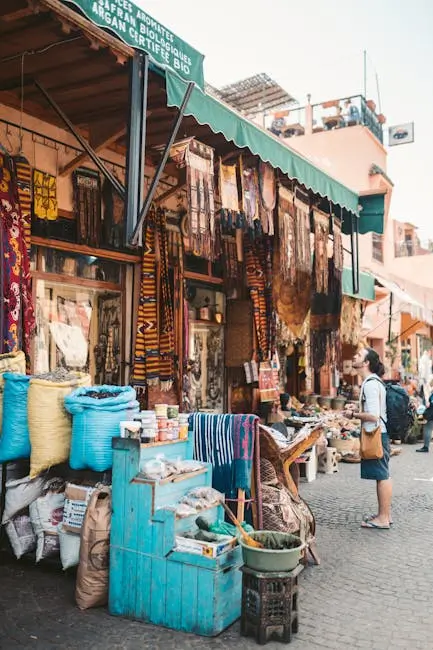
Scenario 1 — The Unsolicited Guide: A traveler enters the Fes medina. A friendly local offers to show them a “shortcut.” Twenty minutes later, they’re inside a carpet shop with no clear exit. The fix: politely but firmly decline from the start.
Scenario 2 — The Free Gift: A vendor places a bracelet on a tourist’s wrist, declares it a gift, then demands payment. Walking away immediately — before the item touches you — is the only reliable response.
Scenario 3 — The Wrong Direction: Someone warns that your destination is “closed today” and offers to lead you somewhere else. What typically happens next is a detour through a commission-based shop.
Recognizing these patterns ahead of time makes them far easier to sidestep. Preparation genuinely changes outcomes. The key takeaways below consolidate everything into a quick-reference framework before you go.
Key Tourist Scams Morocco Takeaways
Morocco rewards travelers who arrive prepared. The scenarios and patterns covered throughout this guide point toward a consistent set of principles that hold true across cities, souks, and situations.
What to carry into every market interaction:
- Agree on prices before accepting any service
- Treat unsolicited “free” guidance as a paid service in disguise
- Verify directions independently rather than relying on strangers
- Stay calm — pressure tactics lose power when you don’t react
Working with licensed, reputable operators remains the most reliable buffer against hassle. Even guided wildlife experiences in Morocco typically operate through vetted local networks that prioritize visitor trust. That same principle applies broadly.
Scam-resistance isn’t suspicion. It’s simply knowing how transactions work before they happen.
Where to Look Next
The key takeaways covered above offer a solid foundation, but preparation doesn’t stop at general principles. Digging into specific destinations, transport options, and itinerary structures gives travelers a sharper, more practical picture of what to expect on the ground.
A few reliable starting points worth exploring:
- Destination-specific guides covering cities like Fes, Chefchaouen, and Essaouira, where scam dynamics differ meaningfully from Marrakech
- Guided tour options, which remove much of the friction that makes solo travelers vulnerable in the first place
- Practical logistics resources on getting between cities safely and affordably
The next section pulls these threads together with a concise, actionable breakdown of exactly how to not get scammed in Morocco.
How to Not Get Scammed in Morocco
Avoiding scams in Morocco comes down to a few consistent habits practiced every day of your trip. Preparation, skepticism, and assertiveness form the core defense.
- Agree on prices before anything starts — food, transport, photos, directions
- Ignore unsolicited “help” from strangers near major landmarks
- Verify your accommodation address independently before arrival
- Carry small denominations to avoid change shortfall tricks
One principle cuts across nearly every scenario: scams rely on social pressure overriding common sense. Slow down, breathe, and that pressure loses its power.
Some travelers find that having a trusted local alongside them eliminates most friction entirely — which raises a practical question worth exploring directly.
Dealing With Scammers and Annoyances by Hiring a Local
One practical approach that experienced travelers swear by is hiring a licensed local guide before entering high-pressure areas like Fes medina or Marrakech’s souks. A credible guide essentially acts as a buffer — touts and fake helpers typically back off when they see a tourist already accompanied by a professional.
In practice, the investment is modest. A licensed guide for a half-day tour often costs $15–$30, far less than what an unguided tourist might lose to scams combined.
However, hiring a local isn’t foolproof. Some unlicensed “guides” are themselves part of scam networks, steering clients toward commission-paying shops. Always verify credentials through your riad, hotel, or official tourism office.
The right guide doesn’t just deflect scammers — they provide genuine cultural context that transforms a stressful experience into an enriching one. That said, knowing which specific scams to watch for remains essential, even with a guide by your side.
What Are Some Common Scams to Watch Out for When Visiting Morocco?
Pulling together the key patterns discussed throughout this guide, certain scams consistently catch travelers off guard. Here’s a focused recap:
- False guides — unsolicited “helpers” steering you toward commission-based shops
- Fake products — argan oil, saffron, and leather goods misrepresented as authentic
- Unofficial taxis — unmarked vehicles with no meters and inflated fares
- Henna traps — “free” applications that demand steep payment afterward
- Photo fees — demanding money after snapping pictures of locals or animals
Recognizing these scams in advance is the single most effective defense a traveler carries into Morocco. Staying sharp about these recurring tactics arms you with realistic expectations rather than unpleasant surprises. Of course, knowing which situations to sidestep entirely takes that protection one step further — and that’s exactly where smart travel decisions begin.
What Should Someone Avoid Completely When Visiting Morocco?
Avoiding tourist scams in Morocco ultimately comes down to a few non-negotiable habits. Never follow a stranger who offers unsolicited directions, “free” introductions to shops, or suspiciously cheap tours. Decline any item placed in your hands without a clear price established first. Avoid changing money anywhere except licensed exchange bureaus or banks.
The most scam-resistant travelers treat unsolicited help as a red flag, not a kindness. Stay alert, trust your instincts, pre-book reputable guides, and Morocco transforms from a stressful minefield into the genuinely extraordinary destination it truly is.
Why Choose Morocco Service Tours
When planning your khamlia or Merzouga adventure, partnering with experienced operators makes all the difference.
Our Advantages:
- Local guides born in desert communities
- Flexible itineraries tailored to your interests
- Transparent pricing with no hidden fees
- Eco-friendly camps supporting local communities
- 24/7 support throughout your journey
We handle the complicated logistics, transportation, accommodation, permits, activities—so you focus on making memories. Whether you’re visiting Morocco for the first time or returning to explore deeper, we create journeys that exceed expectations.
Your Sahara Journey Awaits
Your decision between Khamlia village or Merzouga desert isn’t about right or wrong, it’s about matching method to your personality and priorities.
Ready to book? Contact our team for personalized recommendations matching your travel style, budget, and dates. We’ll help you design the perfect balance of independence and support for your unforgettable Sahara adventure.
Share your desert adventures with us on Pinterest or instagram and inspire fellow travelers!
Because the question isn’t really “Khamlia vs Merzouga”—it’s “How do I experience the Sahara in a way I’ll remember forever?” Let us show you.
Frequently Asked Questions About Khamlia Village
-
Is Khamlia Village safe to visit for solo travellers and families?
Yes. Khamlia is a small, welcoming village with very little tourist infrastructure, which means almost no hassle or pressure. Solo travellers and families report feeling comfortable and well-received. As with anywhere in Morocco, basic awareness of your surroundings is sensible, but Khamlia has no particular safety concerns.
-
How much should I budget for shopping in Khamlia?
You can have a genuinely satisfying shopping experience with a budget of 200–500 MAD (roughly £17–£43 or $20–$50). If you’re interested in larger textile pieces, jewellery, or a quality guembri, budget 1,000–3,000 MAD. There’s no pressure to spend heavily — many of the most meaningful purchases (a pair of kerkeba, an indigo scarf, a small amulet) cost very little.
-
Can I get to Khamlia without a guide?
Yes. A petit taxi from Merzouga is straightforward and inexpensive. However, visiting with a knowledgeable local guide — even informally — significantly enriches the experience. Guides can introduce you to specific artisan families, explain the cultural significance of what you’re seeing, and arrange Gnawa music sessions that are otherwise difficult to access as an independent traveller.
-
What’s the difference between buying souvenirs in Khamlia versus Merzouga town?
Merzouga has more shops and more choice, but also more tourist-grade goods and more pressure to buy. Khamlia has fewer vendors, but the items tend to be more locally produced, the atmosphere is calmer, and the cultural context is richer. For authentic Sahara souvenirs with real provenance, Khamlia consistently wins.
-
Is card payment accepted in Khamlia?
No. Khamlia is a cash-only village. The nearest ATMs are in Merzouga town. Withdraw enough cash before you visit, and carry small denominations (20 MAD and 50 MAD notes) to make transactions easy.
-
Can I book accommodation and desert camps when I arrive, or should I reserve in advance?

During high season (October-April, especially December-January), advance booking is essential—the best accommodations and camps fill up weeks ahead. In low season (May-September), you can find availability on arrival, but you’ll have limited choice and may not get your preferred options. For peace of mind and better rates, I recommend booking at least 2-4 weeks in advance, or working with a local agency who can secure quality options at fair pric
-
What’s the best time to visit Khamlia Village?
The best months to visit Khamlia are October through April, when daytime temperatures range from 20-28°C. March and October offer ideal conditions with fewer crowds. Summer (June-August) reaches 45°C+ and is extremely challenging, though some travelers appreciate the dramatic heat and solitude. Winter nights (December-February) can drop to 5°C, so bring warm layers. For time of day, visit mornings (9-11 AM) or late afternoons (4-6 PM) to avoid the midday tour bus rush and get more personal interactions with locals.