
Things to do in Morocco
Things to Do in Morocco in 2026: The Ultimate Bucket-List Guide
Quick Answer: What Are the Best Things to Do in Morocco?
Morocco is one of the most diverse destinations on Earth. You can ride a camel at sunrise in the Sahara, get lost in a 1,000-year-old medina, hike the Atlas Mountains, and eat the best tagine of your life — all in one week.
Here’s the short version for planners:
- #1 Experience: Overnight Sahara desert camp in Merzouga (Erg Chebbi dunes)
- Best for Culture: Fes medina and the imperial city circuit
- Best for Families: Marrakech plus Atlas Mountains day trips
- Budget: From $30/day (independent traveler) to $300+/day (luxury riad and private guide)
- Best Time to Visit: March–May and September–October
3-Step Action Plan:
- Pick your base city — Marrakech for the south and desert, Fes for north and culture
- Choose 3–4 must-have activities in Morocco from this guide based on your travel style
- Book a private or small-group tour to secure the best spots before they sell out
Why Morocco Belongs on Every Travel List in 2026
Most travel blogs give you a top-10 list and move on. Here’s what they miss: Morocco isn’t one destination — it’s six completely different countries packed into one. Desert. Mountains. Ocean. Medieval imperial cities. Berber villages. Atlantic surf towns. You can experience Morocco in a single trip.
In 2026, travelers have more options than ever, thanks to increased flight routes, expanded luxury accommodations, improved desert camp facilities, and eco-friendly travel initiatives enhancing the overall visitor experience. Tourism here is also maturing in the best possible way. More visitors are prioritizing local experiences such as Berber cooking classes, artisan workshops in Fes, nomad encounters in the desert, and guided mountain hikes led by local experts.
At Morocco Service Tours, we’ve guided thousands of travelers through this country. This things to do in morocco guide is built on that real, on-the-ground experience.
The 15 Best Things to Do in Morocco (Full 2026 Breakdown)
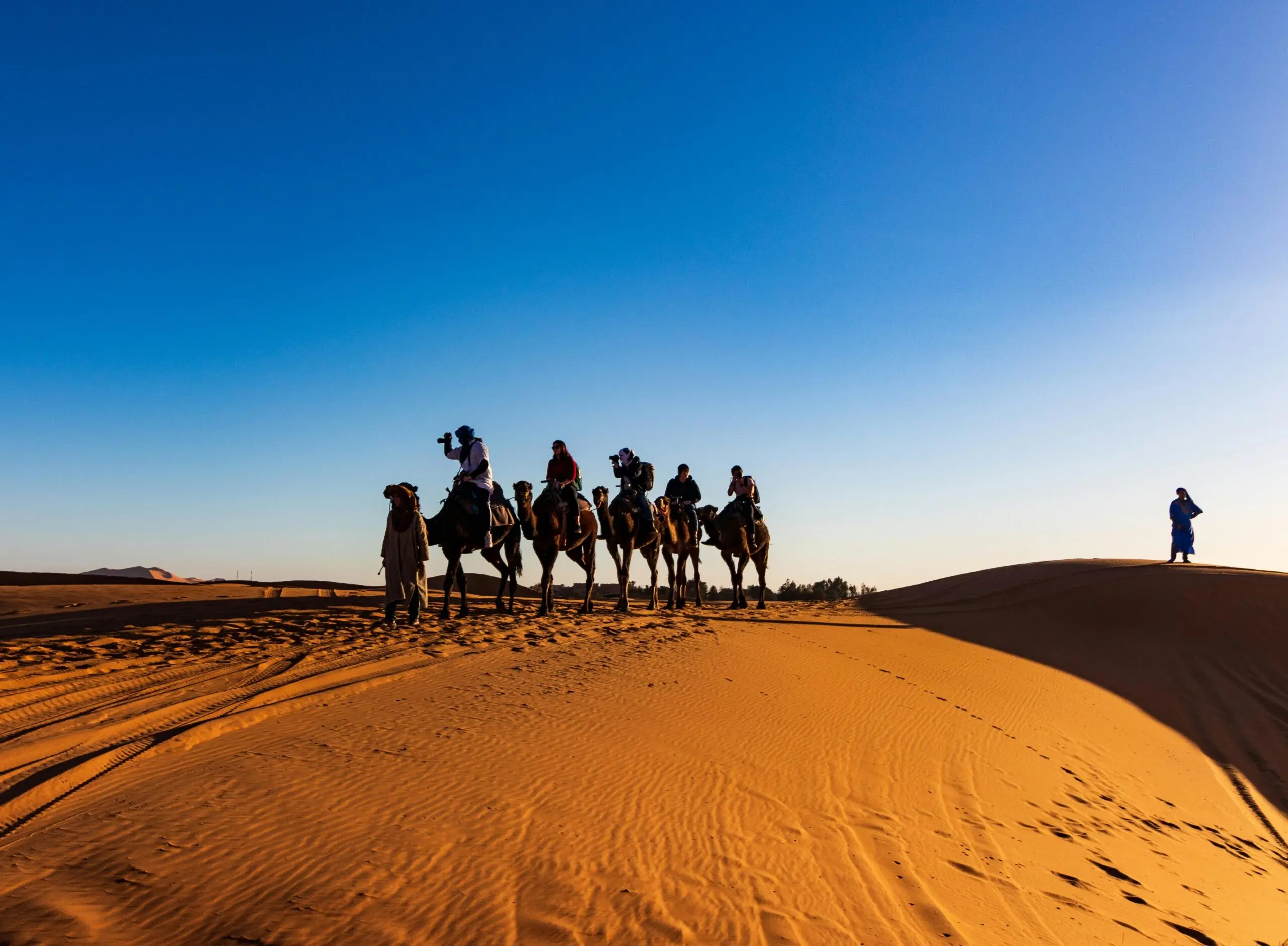
1. Sleep Under the Stars in the Sahara Desert
This is the experience that makes people cry on the last day of their trip. Full stop.
Erg Chebbi near Merzouga is the jumping-off point for travelers eager to experience the majesty of the Sahara Desert. Exploring the dunes by camel or ATV is among the most unforgettable things to do, though many tours also include tea with Berber nomads, a market visit to bargain for dates and local delicacies, and overnight desert camping excursions featuring traditional dishes and live music.
Most guides tell you to go for one night. We recommend two. The first night you’re amazed. The second night, you actually relax into it.
Keep in Mind: Not all desert camps are equal. Many tourist camps are crowded and noisy, placed just minutes from the road. A quality camp sits 45–60 minutes into the dunes by camel. Always ask about the camp’s exact location before booking.
Cost: $80–$250 per person depending on camp quality Closest tour base: Marrakech via 3-day desert tour or Fes via 3-day Sahara tour from Fes
📌 Related: Merzouga vs Zagora — Which Sahara is Right for You? | Things to Do in Morocco’s Sahara Desert
2. Get Lost in the Fes Medina
Fes el-Bali is the world’s largest car-free urban area and the most authentically medieval city you’ll ever walk through. Its medina has been largely unchanged for 1,000 years. The tanneries, the mosques, the narrow derbs where the alley is barely wider than your shoulders, the smell of leather, cumin, and fresh bread baking in communal ovens.
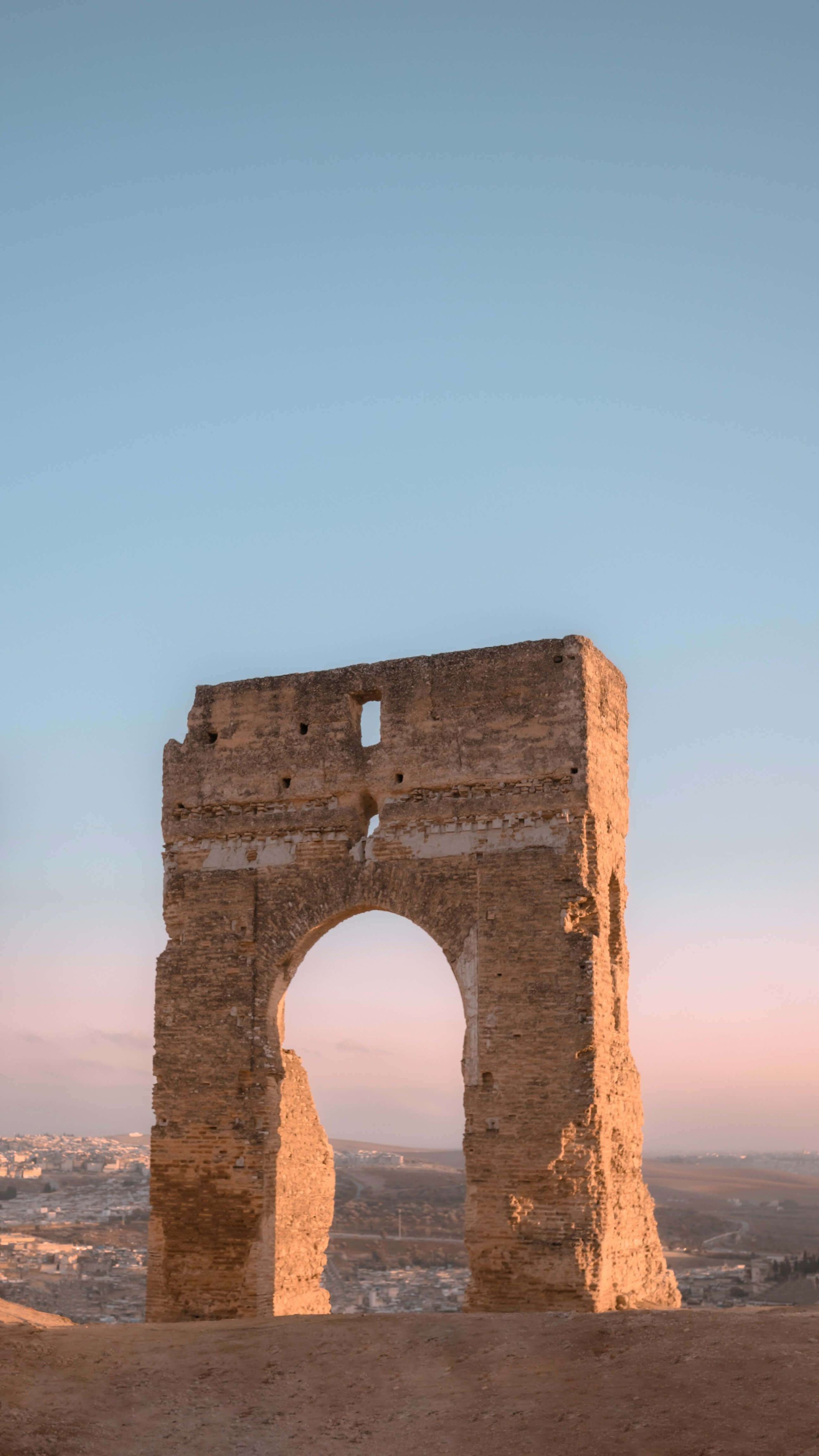
Don’t miss: The Chouara Tannery (go early morning for the best light and fewest crowds), Al-Qarawiyyin University — the oldest functioning university on earth — and the stunning Bou Inania Madrasa.
Pro tip most guides ignore: Hire a licensed local guide through your riad or hotel, not someone who approaches you in the street. A good guide unlocks Fes completely. An unlicensed one will walk you in circles toward commission shops.
3. Experience Marrakech’s Jemaa el-Fna and the Souks
No visit to Marrakech is complete without experiencing the energy of Jemaa el-Fna square. During the day you’ll find street performers, henna artists, and fresh juice stalls, while at night it transforms into a lively hub of food vendors and traditional entertainment.
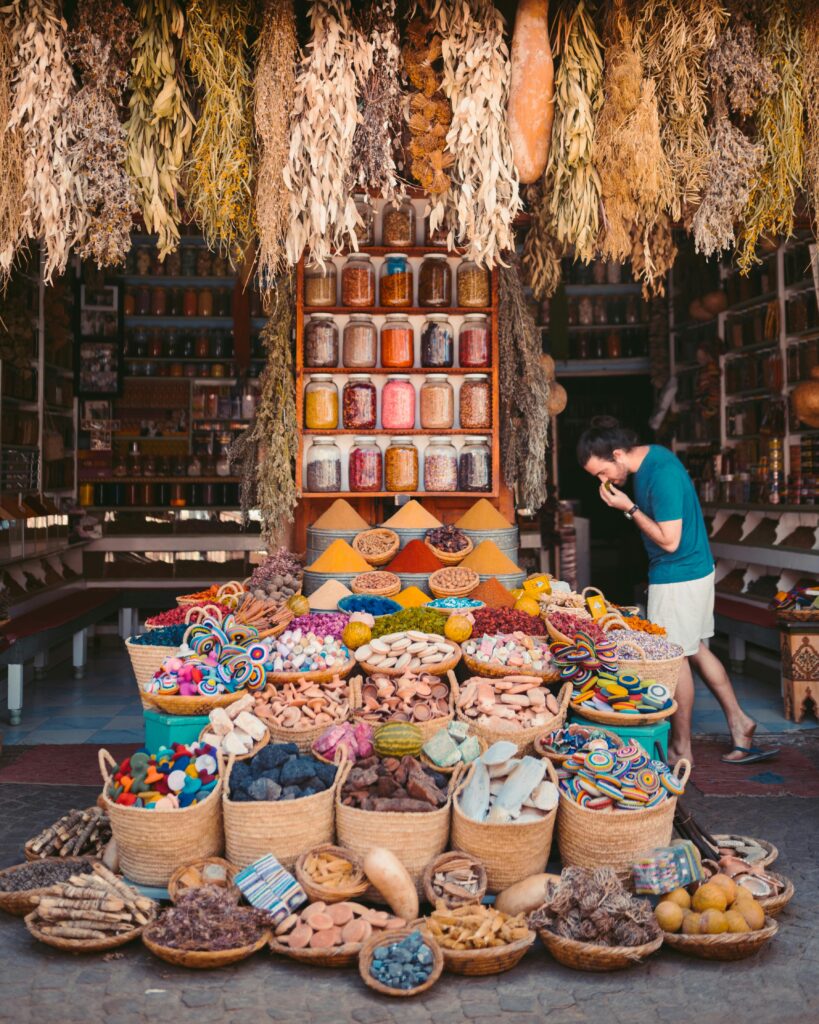
But Marrakech is far more than the square. The souks behind it form a full sensory maze — leather goods, spices, ceramics, carpets, lanterns, and everything in between. Visit in the morning before 11am when it’s quieter and shopkeepers are more relaxed. Bargaining is expected — start at around 40% of the first price offered.
Must-sees in Marrakech:
- Jardin Majorelle — Yves Saint Laurent’s legendary blue garden. Book tickets in advance, especially in spring
- Bahia Palace and the ruined el-Badi Palace
- Ben Youssef Madrasa
- A traditional hammam experience (more on that below)
📌 Related: Top Things to Do in Marrakech | How Many Days Do You Need in Marrakech?
4. Hike or Drive the High Atlas Mountains
Most visitors see the Atlas Mountains as a distant backdrop from Marrakech. That’s a mistake. The Atlas deserves at least a full day — ideally more. The Ourika Valley, Toubkal National Park, and the dramatic road toward Ait Benhaddou all cut through stunning Berber landscapes where villages cling to rocky ridges and walnut trees fill the valley floors.
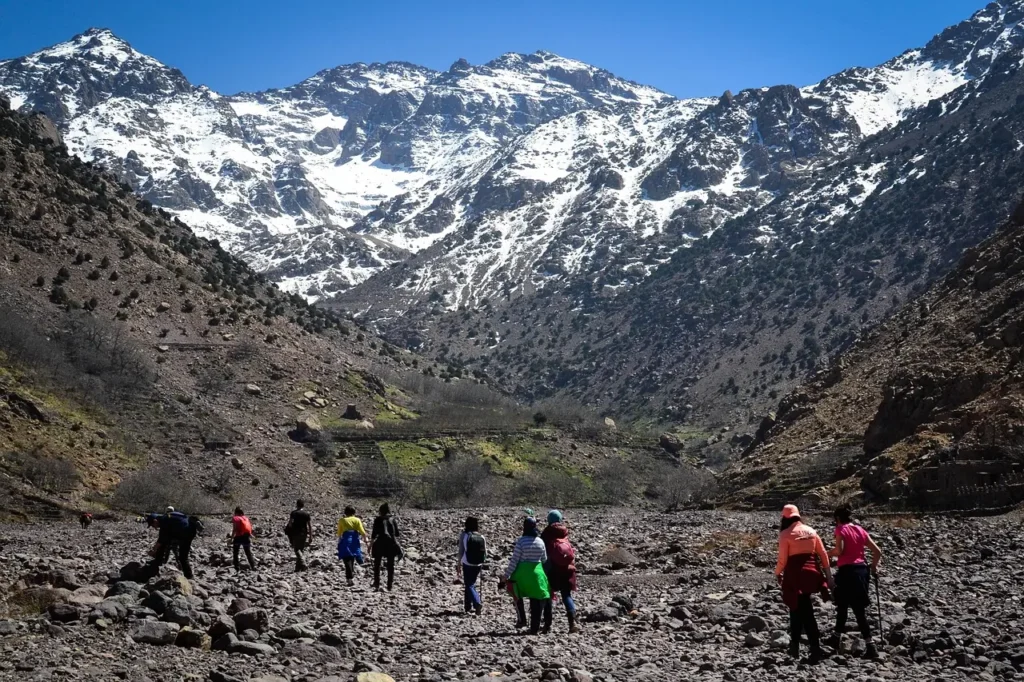
For serious hikers: Mount Toubkal (4,167m) is the highest peak in North Africa. It’s a challenging but very achievable 2-day trek — one of the most rewarding walks on the continent.
For families and day-trippers: The Ourika Valley and a home visit with a local Berber family are perfect, low-effort, and deeply memorable.
📌 Related: Ouzoud Waterfalls — North Africa’s highest waterfall, just 3 hours from Marrakech and absolutely worth it.
5. Walk Through Chefchaouen — the Blue City
one of the top things to do in Morocco, Awash with blue paint, the Chefchaouen Medina is the maze-like historical heart of this Moroccan city beneath the Rif Mountains. Alleyways, staircases, and small squares allow visitors to get lost in the beautiful, distinctive neighborhood, while also serving as vivid photo backdrops thanks to their unique aesthetic.
It’s also genuinely peaceful, a total contrast to Marrakech or Fes. The pace slows down, the streets are quiet, and the surrounding Rif Mountains are excellent for short walks.
Timing tip: Arrive before 9am for photography with no crowds. By midday the place fills up with day-trippers from larger cities. If you can, spend the night — it’s a completely different place once the day-trippers leave.
Getting there: About 4 hours by car from Fes, roughly 2.5 hours from Tangier.
6. Discover Aït Benhaddou — A Living UNESCO Kasbah
The UNESCO-listed Kasbah of Aït Benhaddou is one of Morocco’s most impressive historic landmarks and a popular film location for Hollywood movies. Sculpted from traditional mud bricks and fortified by walls of dark red pisé, this kasbah lies on the old trans-Saharan trade route, at the border of the High Atlas Mountains and Sahara Desert.
You’ve almost certainly seen it in Gladiator, Game of Thrones, or Lawrence of Arabia without realizing it. You can walk through in 1–2 hours, and it combines beautifully with a drive through the Draa Valley and the Dades Gorge for one of Morocco’s greatest road trips.
7. Explore the Todra and Dades Gorges
This is Morocco’s hidden canyon country, and most standard tours rush through it. The Todra Gorge rises 300 meters on both sides of a narrow river passage — one of the most dramatic landscapes in all of Africa. Rock climbers love it. Photographers love it even more.
The Dades Valley, just west, is famous for its rose-growing villages (visit in April during the Rose Festival) and the bizarrely eroded rock formations locals call “monkey fingers.”
💡 Tip: The Todra Gorge is most spectacular in the early morning, when light hits the canyon walls directly. Afternoon visits leave you standing in shadow. Most generic guides never specify this — we do.
8. Ride a Camel at Sunrise or Sunset
You don’t have to travel all the way to Merzouga to ride a camel in Morocco — though that’s absolutely the best version. A sunrise hot-air balloon ride from Marrakech lets you enjoy bird’s-eye views of Morocco’s deserts and the foothills of the Atlas Mountains, drifting through the dawn skies just as the sun casts them in gold, orange and pink — followed by a Berber breakfast and camel ride on the ground.
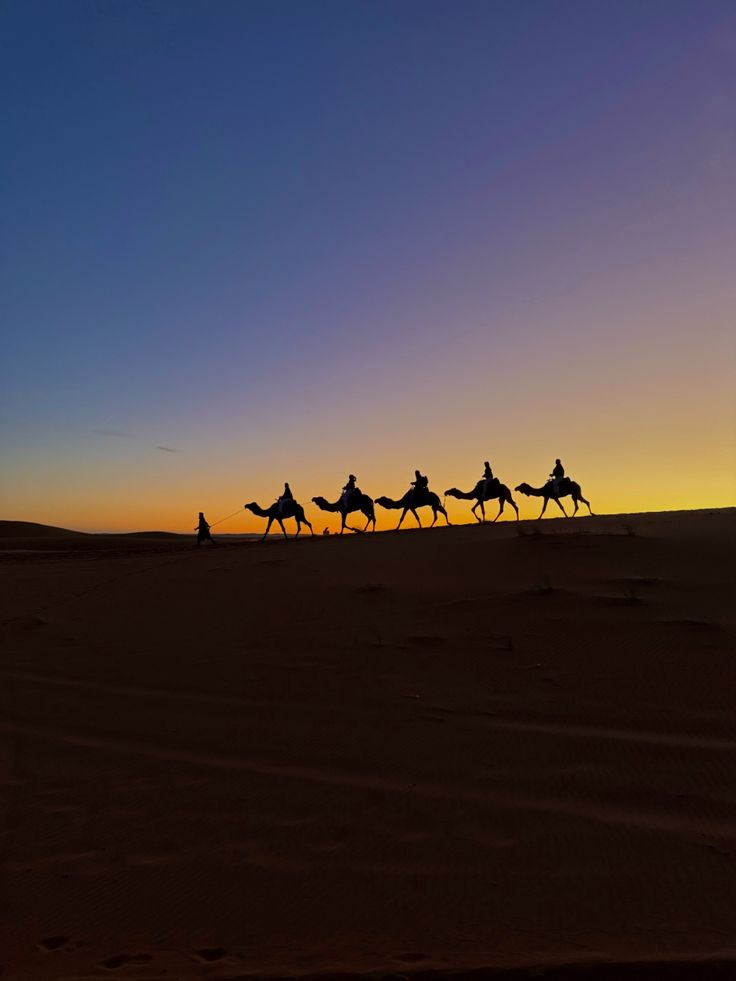
For a shorter camel experience without the desert journey, the Agafay Desert near Marrakech — a rocky, lunar landscape just 45 minutes from the city — is a great half-day option.
📌 Related: Morocco Camel Trekking Guide
9. Eat Your Way Through Morocco’s Food Scene
Moroccan cuisine is one of the world’s greatest, and most travelers only scratch the surface of it. Street food at Jemaa el-Fna is the obvious starting point — freshly squeezed orange juice for 3 dirhams, grilled kefta, snail soup — but the real depth is in the dishes you need to seek out.
Don’t miss:
- Tagine — slow-cooked lamb, chicken, or vegetables with preserved lemon and olives, best eaten in a riad courtyard
- Bastilla — a flaky pastry pie filled with pigeon or chicken, dusted with powdered sugar. Sweet and savory at once. Extraordinary.
- Harira — warming lentil and tomato soup, especially good in the evening after a long day of exploring
- Mechoui — whole roasted lamb, usually only available at local butcher shops or traditional celebrations
- Msemen — flaky, pan-fried flatbread eaten for breakfast with honey and argan oil. The most underrated food in Morocco.
📌 Related: Authentic Moroccan Cuisine Guide | Moroccan Street Food Recommendations
10. Experience a Traditional Hammam
A hammam is Morocco’s version of a bathhouse — and going to a local one rather than a tourist spa is one of the most authentic things you can do in this country. The process is simple: steam room, exfoliation scrub with a kessa mitt, black soap (savon beldi), rinse, relax. Budget 60–120 minutes and you’ll emerge feeling completely renewed.
Tourist hammam (English-speaking staff, private rooms): $15–$40 Local hammam (where Moroccans actually go): $2–$5, plus $3 for a scrub from an attendant
The local version is more chaotic and more memorable. If you only do one hammam, make it a real one.
11. Surf Essaouira or Taghazout
Morocco’s Atlantic coast has world-class waves and consistent wind, and it remains deeply underrated in mainstream travel content.
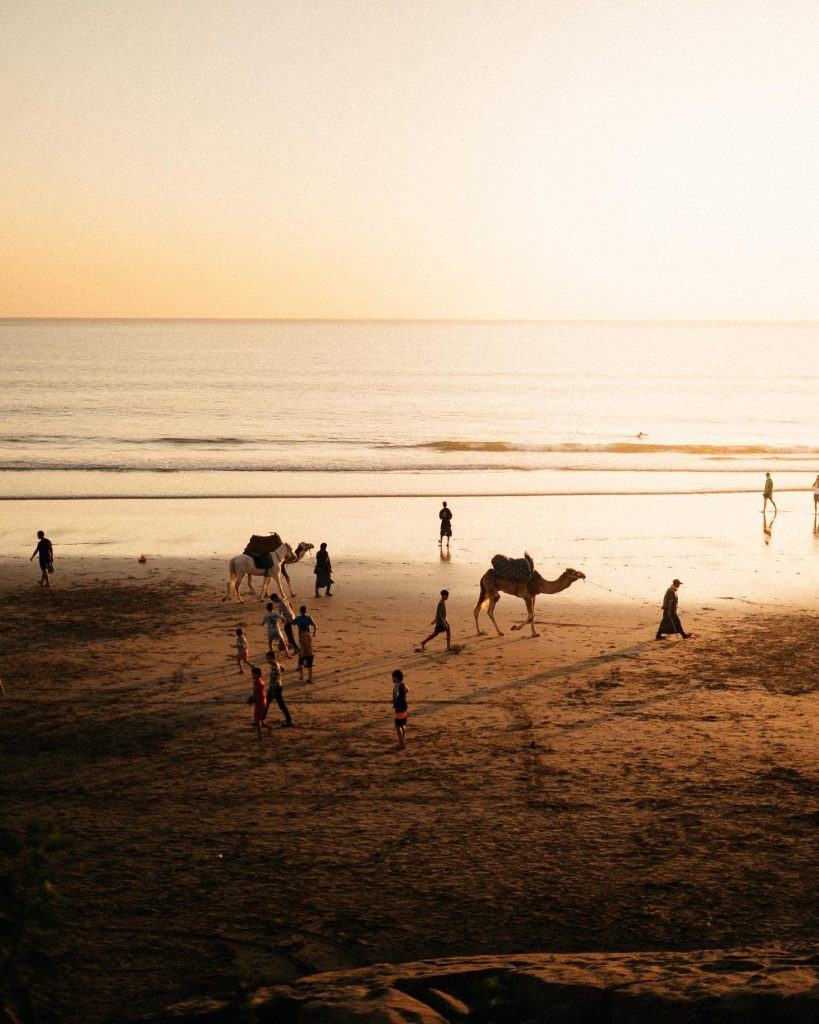
Essaouira is a stunning walled Portuguese port city with strong winds perfect for kitesurfing and windsurfing. The medina here is more relaxed than Marrakech’s, with a creative arts scene and excellent fresh seafood at the harbor.
Taghazout, not far north of Agadir on Morocco’s west coast, draws surfers of all skill levels with its Atlantic swells, with Anchor Point often considered Africa’s best surf spot. The vibe is laid-back, camps are cheap, and the sunsets over the ocean are world class.
12. Visit Volubilis — Morocco’s Roman Ruins
Stretching atop a plateau in northern Morocco, the Roman ruins of Volubilis are a striking sight, especially when abloom with wildflowers. Some of the best-preserved ruins in Northern Africa, this UNESCO World Heritage site offers a genuine glimpse into ancient Morocco and makes for a great day trip from Fes or Meknes.
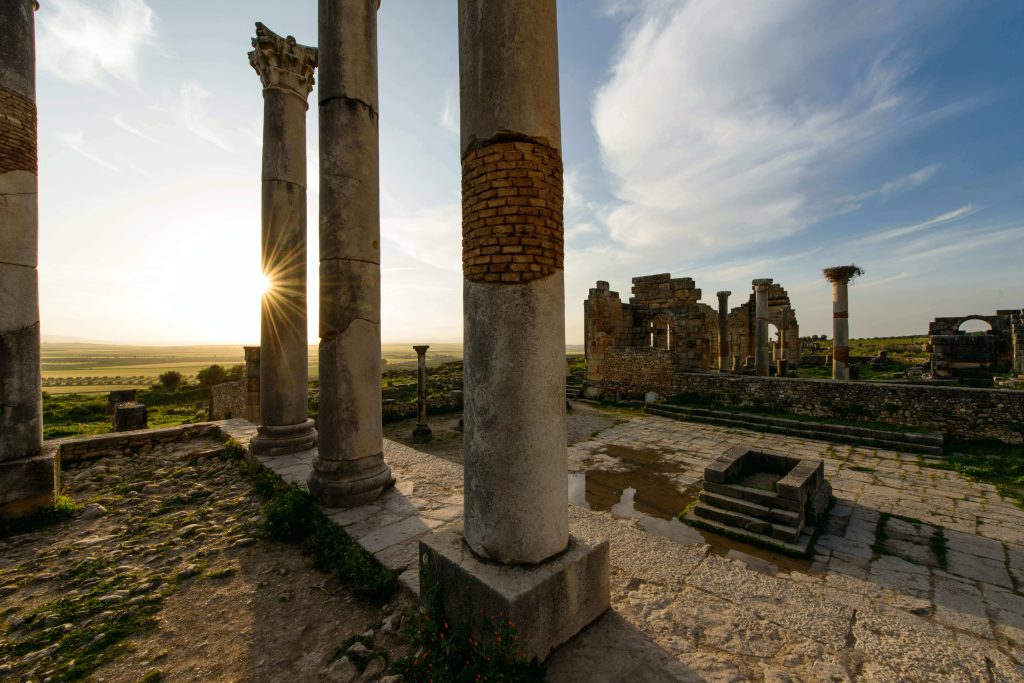
Most Morocco itineraries skip this completely. That’s a genuine shame — the mosaics here are extraordinary, better preserved than many in Italy. Combine it with the sacred hilltop town of Moulay Idriss and the imperial city of Meknes for a full, deeply satisfying day of history.
13. Stay in a Traditional Riad
This isn’t accommodation — it’s an experience in itself. Riads are traditional Moroccan houses built around a central courtyard, usually with a fountain, orange trees, zellige tilework, and a rooftop terrace where breakfast arrives every morning with fresh bread and argan honey.
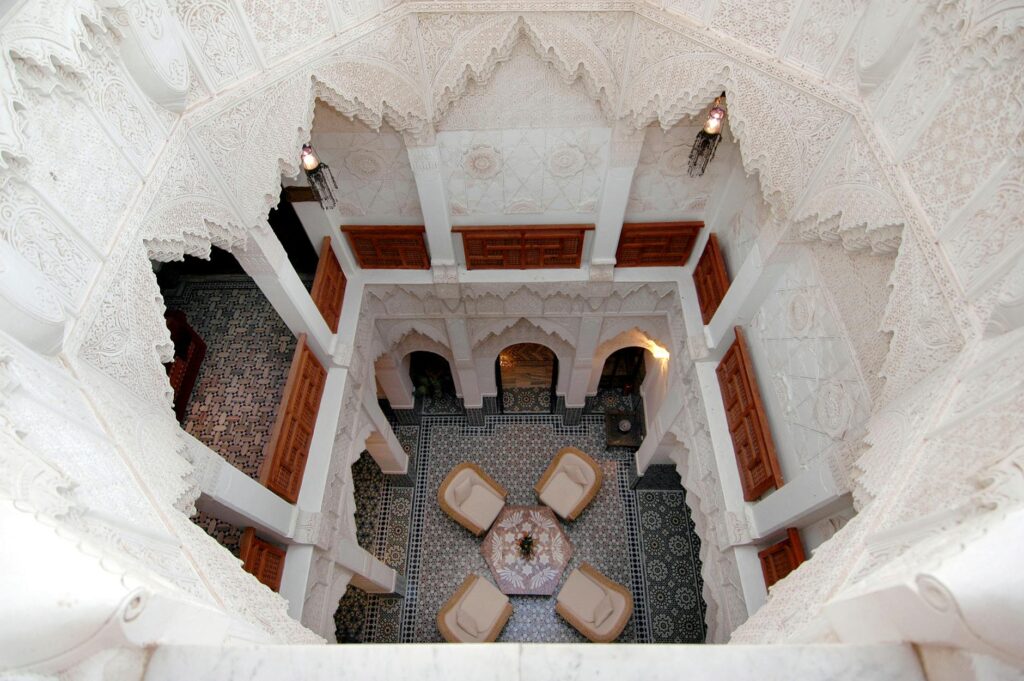
Staying in a good riad changes your entire relationship with Morocco. You get honest recommendations from staff who actually know the city. You sleep in rooms that look like they belong in a design magazine. And you understand, in a very immediate way, why Moroccan architecture has been admired for a thousand years.
Budget riads: $30–$60/night | Mid-range: $60–$150/night | Luxury: $150–$500+/night
14. Stargaze in the Sahara Desert
The Sahara has zero light pollution. On a clear night, the Milky Way is so vivid it casts shadows. This is something most people living in Europe or North America genuinely cannot experience without traveling to a truly remote place — and the Moroccan Sahara is one of the most accessible places on earth to find it.
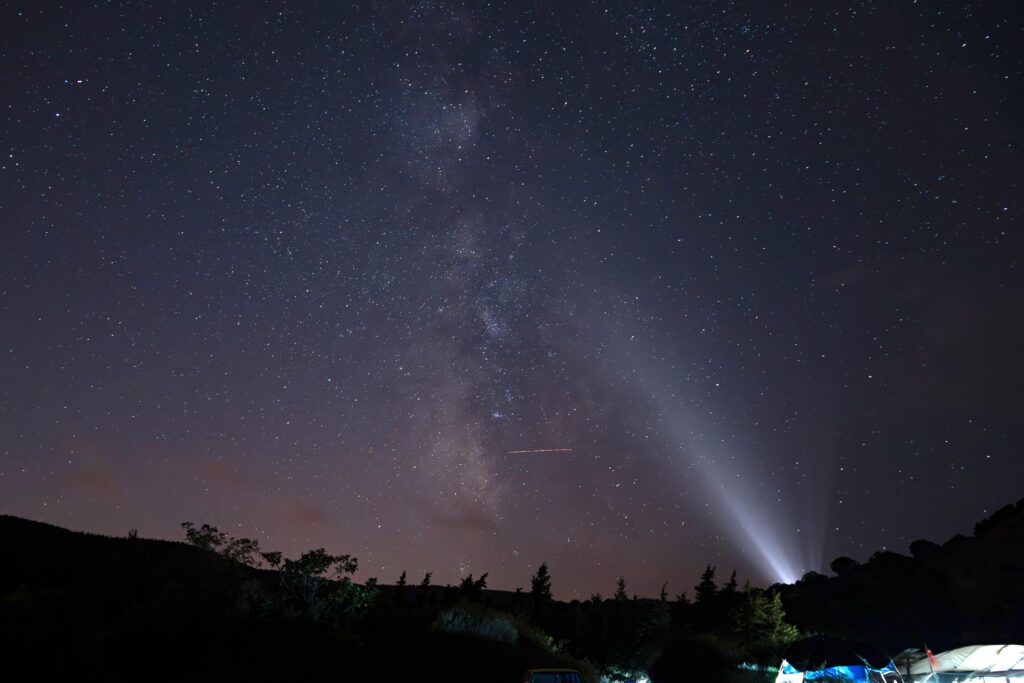
Many new desert camps in Merzouga and Zagora now offer more comfortable eco-tents, ensuring visitors can enjoy the magic of the Sahara while minimizing environmental impact.
📌 Related: Desert Stargazing Locations in Morocco
15. Discover the Gnawa Music Scene
This is the experience almost every Morocco travel blog forgets to mention entirely. Gnawa is an ancient African spiritual music tradition, rooted in sub-Saharan origins and now deeply woven into Moroccan culture. The music is hypnotic — low drums, iron castanets, call-and-response singing — and hearing it live at a local gathering or festival is genuinely unlike anything else in world travel.
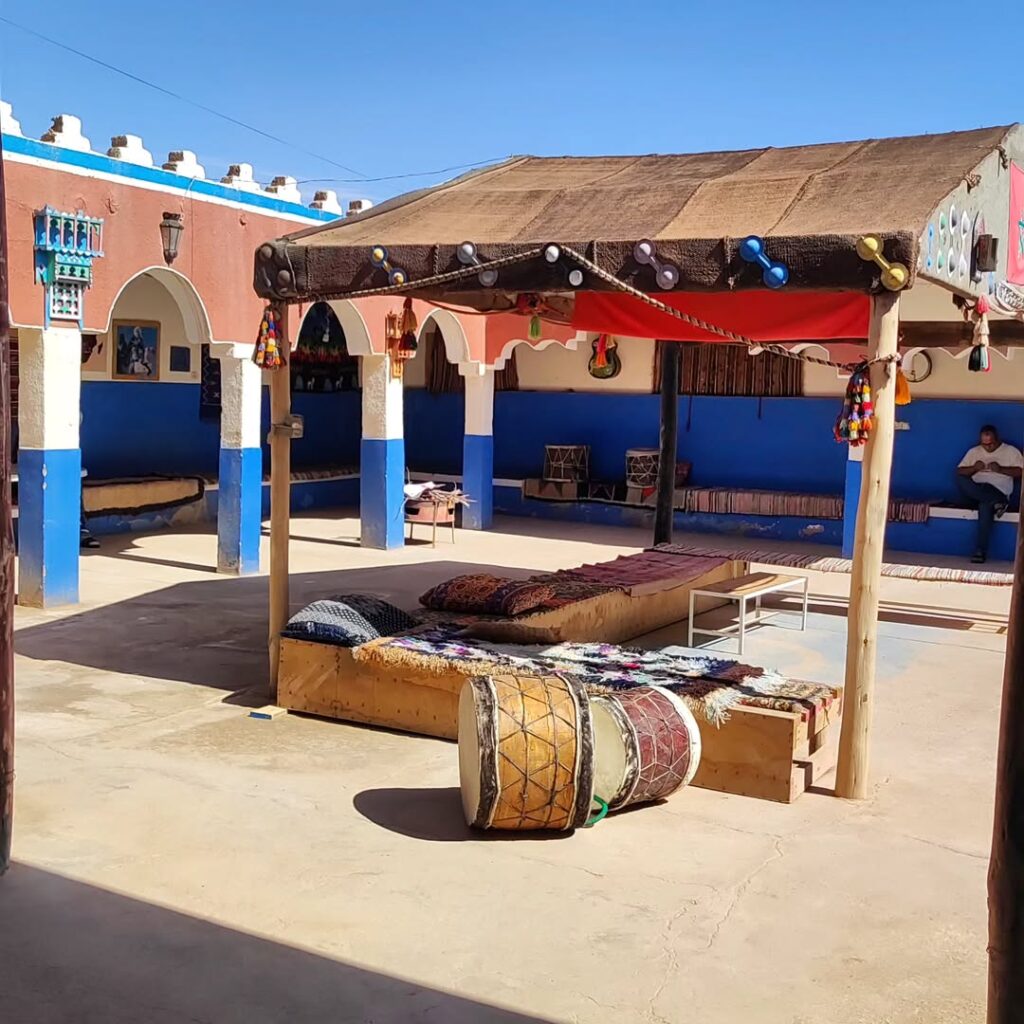
The best places to find it: Jemaa el-Fna in Marrakech after 10pm, and Essaouira during the annual Gnawa World Music Festival (held in June).
📌 Related: Gnawa Music in Morocco
Comparison Table: Best Morocco Experiences by Travel Style
| Experience | Best For | Duration | Avg. Cost | Difficulty |
|---|---|---|---|---|
| Sahara Desert Camp (Merzouga) | Everyone | 2–3 days | $150–$300 pp | Easy |
| Fes Medina Exploration | Culture lovers | 1–2 days | $20–$60/day | Easy |
| Toubkal Trek | Hikers | 2 days | $100–$200 | Hard |
| Chefchaouen Visit | Photographers, couples | 1–2 days | $30–$80/day | Easy |
| Surf in Taghazout | Surfers, beach lovers | 3–7 days | $40–$100/day | Varies |
| Ait Benhaddou + Dades Gorge | Road trippers | 1–2 days | $60–$150 | Easy |
| Hammam Experience | Everyone | 1–2 hours | $5–$40 | Easy |
| Hot Air Balloon (Marrakech) | Couples, special occasions | 3–4 hours | $150–$200 pp | Easy |
How to Plan Your Morocco Trip: Step by Step
Step 1 — Choose Your Entry Point Marrakech is the most popular gateway and the best base for desert and mountain trips. Casablanca and Tangier work well for north Morocco circuits. Fes is ideal if your priority is culture and history.
Step 2 — Decide Your Duration
- 5–7 days: Marrakech plus a Sahara desert trip plus one day excursion
- 8–10 days: Add Fes, Chefchaouen, or a coastal stop
- 12–14 days: Full Morocco circuit covering Imperial Cities, desert, and coast
📌 Related: 8-Day Morocco Itinerary | 9-Day Morocco Itinerary | Complete Morocco Travel Itinerary
Step 3 — Book Accommodation First Good riads in Marrakech and Fes sell out fast, particularly in spring and fall. Book 6–8 weeks ahead during high season to get the best properties at fair prices.
Step 4 — Lock In Your Desert Tour Don’t leave this until the last minute. Quality desert camps and private vehicles get reserved months in advance, especially for March–May and October.
Step 5 — Pack Right Dress modestly in medinas and rural areas. Bring layers — desert nights are cold even in summer months. Comfortable walking shoes are non-negotiable for medina exploration.
📌 Related: What to Pack for Morocco
Best Time to Visit Morocco by Activity
| Activity | Best Months |
|---|---|
| Sahara Desert Camp | October–April (avoid June–August) |
| Hiking Atlas Mountains | April–June, September–October |
| Surfing Atlantic Coast | September–March |
| Chefchaouen / Fes City Exploration | March–May, September–November |
| Rose Festival in the Dades Valley | Late April |
| Marrakech City Break | October–April |
| Birding Tours | February–May |
📌 Related: Traveling to Morocco in January
Frequently Asked Questions
Is Morocco safe for tourists in 2026? Yes — Morocco is consistently one of the safer countries in Africa and the Arab world for international visitors. The main issues travelers encounter are petty scams and persistent touts in busy medinas, not violent crime. Using reputable guides and staying aware in crowds covers most of it. Solo female travelers should read our dedicated guide below before traveling.
📌 Is Morocco Safe for Tourists? | Traveling to Morocco as a Woman
How many days do you actually need in Morocco? A minimum of 7 days for a meaningful trip. Ideally 10–14 days to experience the Imperial Cities, Sahara, and at least one coastal or mountain destination without feeling rushed. Most people who do 5-day trips wish they had booked more time.
What is the single best thing to do in Morocco? By far: the overnight Sahara desert camp in Merzouga. It’s the experience travelers consistently describe as life-changing. Everything else in Morocco is wonderful. The desert is unforgettable.
Can I do Morocco on a budget? Absolutely. Street food costs $2–$5, local transport is very affordable, and budget riads start around $25–$35 per night. A comfortable independent trip can cost $50–$80 per day all-in.
Do I need a guide in Morocco? Not legally — but practically, yes, especially in Fes and the Sahara. A good guide transforms the experience. In the Fes medina specifically, having someone who knows the layout saves hours of getting genuinely lost. The money spent on a knowledgeable local guide is almost always the best-spent money of the trip.
What do most Morocco tourists miss completely? Two things: the Gnawa music scene and local hammam culture. Both are deeply authentic, both are free or nearly free, and both are almost completely absent from mainstream travel guides. Now you know.
Ready to Experience Morocco? Here’s Your Next Step
Morocco rewards people who plan ahead. The best riads, the best desert camps, the best private guides — they fill up months in advance, especially in spring and fall. At Morocco Service Tours, we specialize in private and custom Morocco itineraries built around what you actually want to experience, not a generic group schedule.
Whether you’re planning a family vacation, a couples trip, a solo adventure, or a luxury escape — we’ll build the perfect itinerary around your travel style, budget, and travel dates.
👉 View Our Morocco Tour Packages | Request a Custom Itinerary
Related Articles to Explore Next
- 10 Best Things to Do in Morocco
- 7 Best Places to Visit in Morocco
- Best Photography Spots in Morocco
- Sahara Desert Tours in Morocco
- Ways to Travel Around Morocco
- Morocco Ultimate Destination Guide
- Morocco Shopping Guide
Last updated: April 2026 | Written by Morocco Service Tours — local experts in private Morocco travel.
Why Choose Morocco Service Tours
When planning your khamlia or Merzouga adventure, partnering with experienced operators makes all the difference.
Our Advantages:
- Local guides born in desert communities
- Flexible itineraries tailored to your interests
- Transparent pricing with no hidden fees
- Eco-friendly camps supporting local communities
- 24/7 support throughout your journey
We handle the complicated logistics, transportation, accommodation, permits, activities—so you focus on making memories. Whether you’re visiting Morocco for the first time or returning to explore deeper, we create journeys that exceed expectations.
Your Sahara Journey Awaits
Ready to book? Contact our team for personalized recommendations matching your travel style, budget, and dates. We’ll help you design the perfect balance of independence and support for your unforgettable Sahara adventure.
Share your desert adventures with us on Pinterest or instagram and inspire fellow travelers!
Because the question isn’t really “Khamlia vs Merzouga”—it’s “How do I experience the Sahara in a way I’ll remember forever?” Let us show you.