
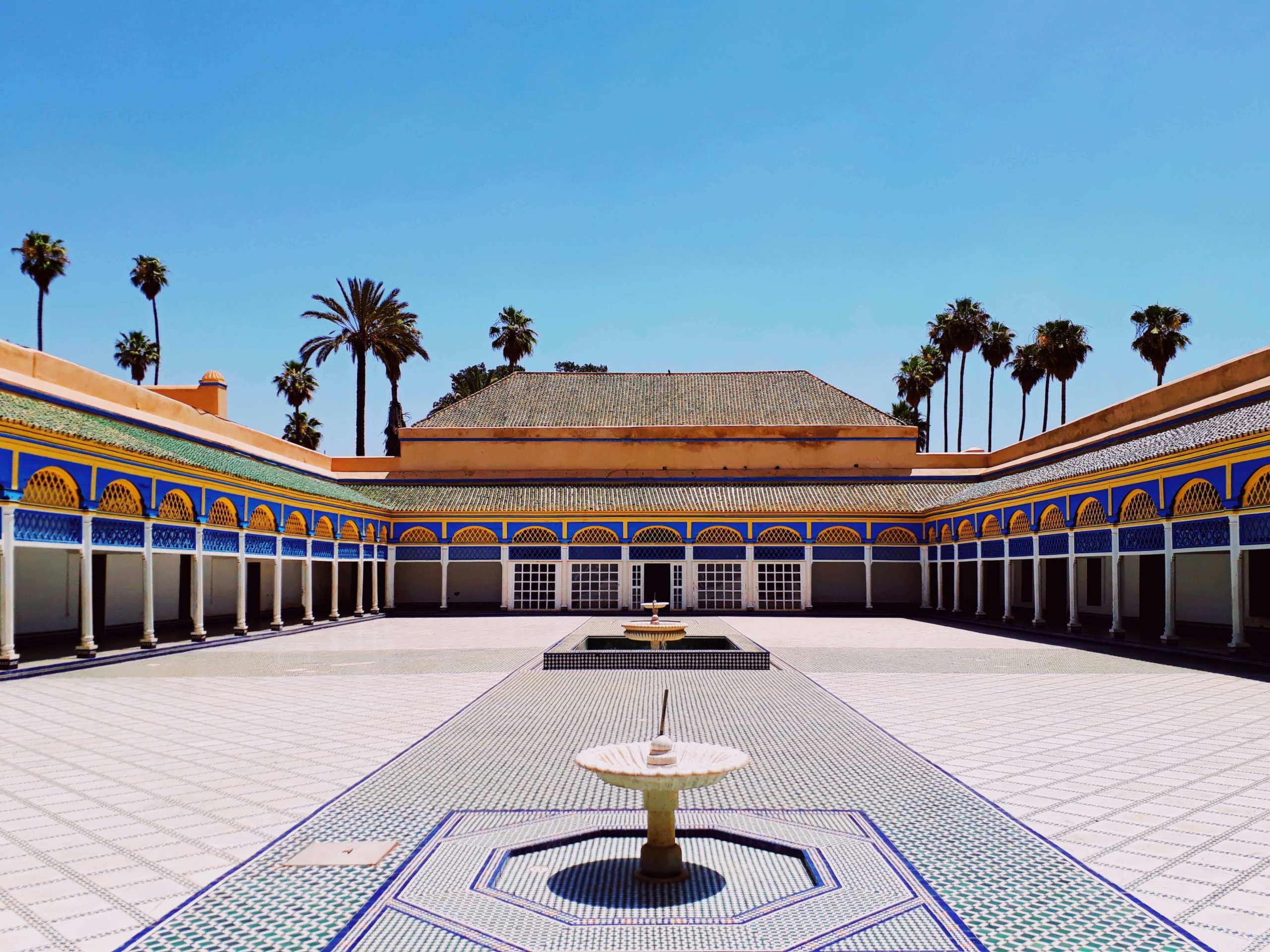
The Ultimate Morocco Travel Guide 2026: Plan the Perfect Trip
Quick Answer: Is Morocco Worth Visiting in 2026?
Yes — and right now is one of the best times to go.
Morocco sits at the crossroads of Africa, Arabia, and the Mediterranean. It offers ancient cities, Sahara dunes, mountain villages, and Atlantic coastlines — all in one country. And unlike most destinations at this level, it remains genuinely affordable.
Here’s what most travel blogs skip: Morocco in 2026 is more accessible than ever, with expanded direct flights from the US, UK, and Europe, improved roads into the desert, and a growing network of English-speaking local guides.
In short:
- Best time to visit: March–May or September–November
- Average daily budget: €50–€90 per person (mid-range)
- Visa: Visa-free for most Western passport holders (up to 90 days)
- Trip length: 7–14 days recommended for a full experience
- Top draw: Imperial cities + Sahara desert combination
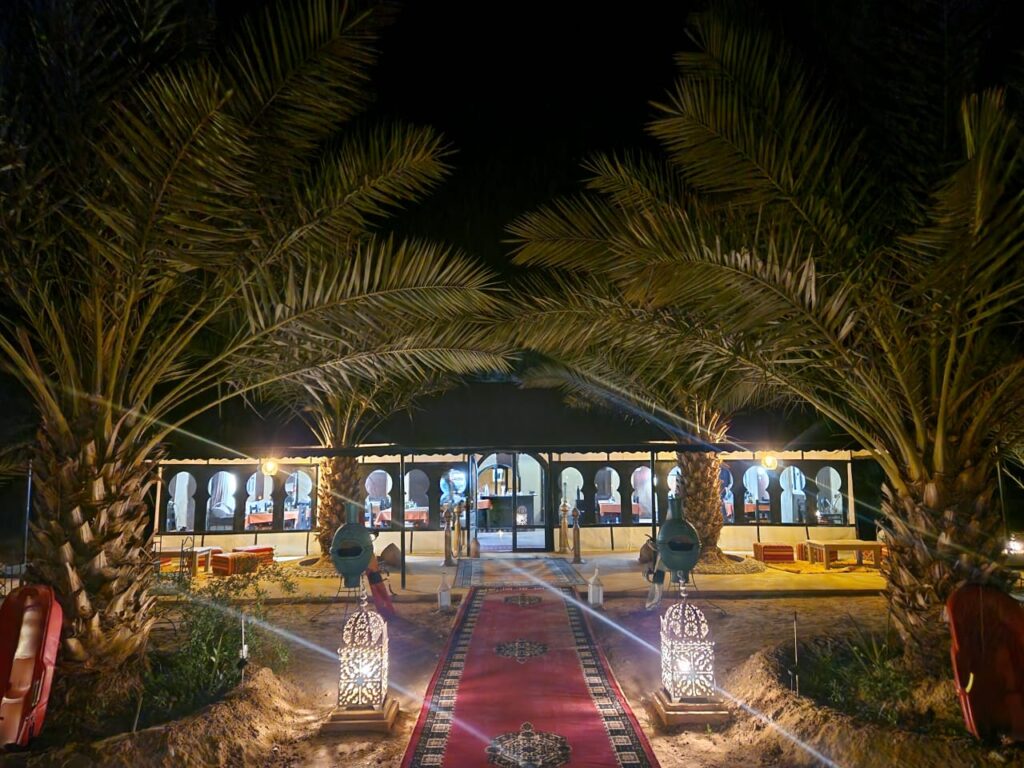
Ready to go deeper? This guide covers everything — from first-time basics to insider tips you won’t find on generic travel blogs.
Why Morocco Should Be Your 2026 Travel Destination
Morocco doesn’t just offer a holiday. It offers a shift in perspective.
Where else can you wake up in a 300-year-old riad, spend the afternoon bargaining in a medieval souk, and fall asleep under the Sahara stars — all in the same week?
The country pulls off something rare: it’s exotic without being inaccessible. Challenging without being unsafe. Affordable without feeling cheap.
In 2026, Morocco is also riding a wave of infrastructure upgrades. The Al Boraq high-speed rail now connects Tangier to Casablanca in under 2 hours. New road connections have opened up southern desert routes. And international arrivals have surged — meaning the local tourism industry is better organized, more competitive, and more traveler-friendly than ever.
Most travel guides treat Morocco as a single experience. It’s not. It’s four or five completely different countries layered on top of each other. This guide will help you choose which version of Morocco you actually want — and how to experience it without the common mistakes.
Morocco at a Glance: Essential Facts for 2026
| Category | Details |
|---|---|
| Capital | Rabat (not Marrakech — a fact many visitors are surprised by) |
| Language | Darija (Moroccan Arabic), Tamazight, French, Spanish in the north |
| Currency | Moroccan Dirham (MAD) — approx. 1 EUR = 10.8 MAD (2026) |
| Time Zone | GMT+1 year-round (note: adjusts during Ramadan) |
| Electricity | 220V, Type C/E plugs (European standard) |
| Visa | Visa-free for EU, US, UK, Canada, Australia (90 days) |
| Religion | Islam — respectful dress and behavior is appreciated |
| Emergency | Police: 19 | Ambulance: 15 | Tourist Police: 0524-384601 |
Best Time to Visit Morocco: Month-by-Month Breakdown
Most blogs give you a vague “spring and autumn are best.” That’s true — but incomplete. Here’s what’s actually happening each month.
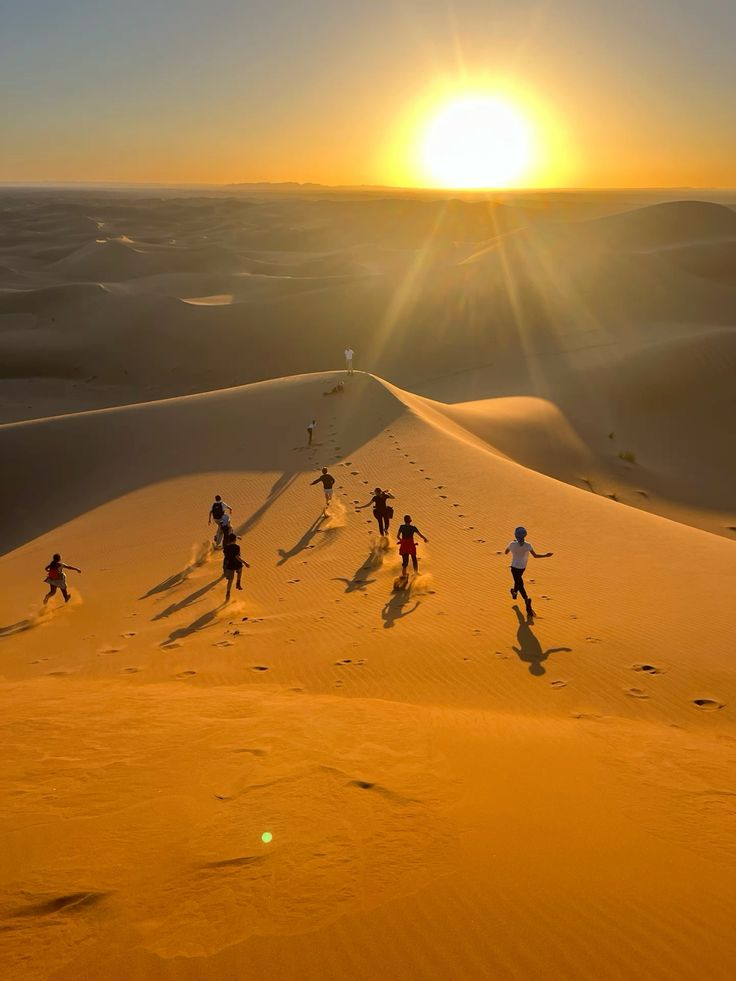
Spring (March – May) — Best Overall
The countryside turns green, temperatures are perfect (18–26°C), and the crowds haven’t peaked yet. This is the sweet spot for hiking, desert trips, and city exploration alike. Book early — riads fill up fast in April.
Summer (June – August) — Coastal and Mountain Only
Marrakech and the Sahara become genuinely brutal (40°C+). However, the Atlantic coast (Essaouira, Agadir, Taghazout) is breezy and excellent. The Atlas Mountains are also surprisingly pleasant and uncrowded. Most generic guides don’t mention this distinction — summer isn’t a write-off, you just need to go to the right places.
Autumn (September – November) — Second Best
Similar to spring, but with fewer tourists. September still has warmth. October–November is arguably the best time for the Sahara specifically, as the heat drops and the light turns golden. Highly recommended for photographers. See our guide to the best photography spots in Morocco.
Winter (December – February) — Underrated
Marrakech winters are mild (12–18°C) — pleasant by European standards. The Sahara nights get cold, but daytime camel treks are stunning. Crowds are at their lowest and prices drop significantly. Traveling to Morocco in January is one of the best-kept secrets in North African travel.
Morocco’s Top Cities: Where to Go and What to Expect
Marrakech — The Beating Heart
Morocco’s most visited city, and for good reason. The Djemaa el-Fna square transforms throughout the day — quiet in the morning, chaotic and electric by night. The medina is a UNESCO World Heritage Site. The riads are genuinely stunning.
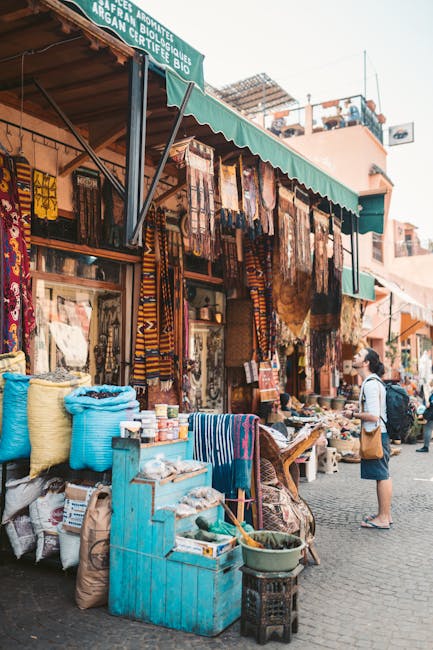
Don’t miss: Bahia Palace, Jardin Majorelle, Ben Youssef Madrasa, the souks.
How long: 3 days minimum. See how many days you need in Marrakech to plan properly.
Check out top things to do in Marrakech for a full breakdown.
Fes — The Soul of Morocco
Fes el-Bali is the world’s largest car-free urban area. It’s disorienting, intoxicating, and completely unlike anywhere else on Earth. The medina has over 9,000 lanes. You will get lost. That’s the point.
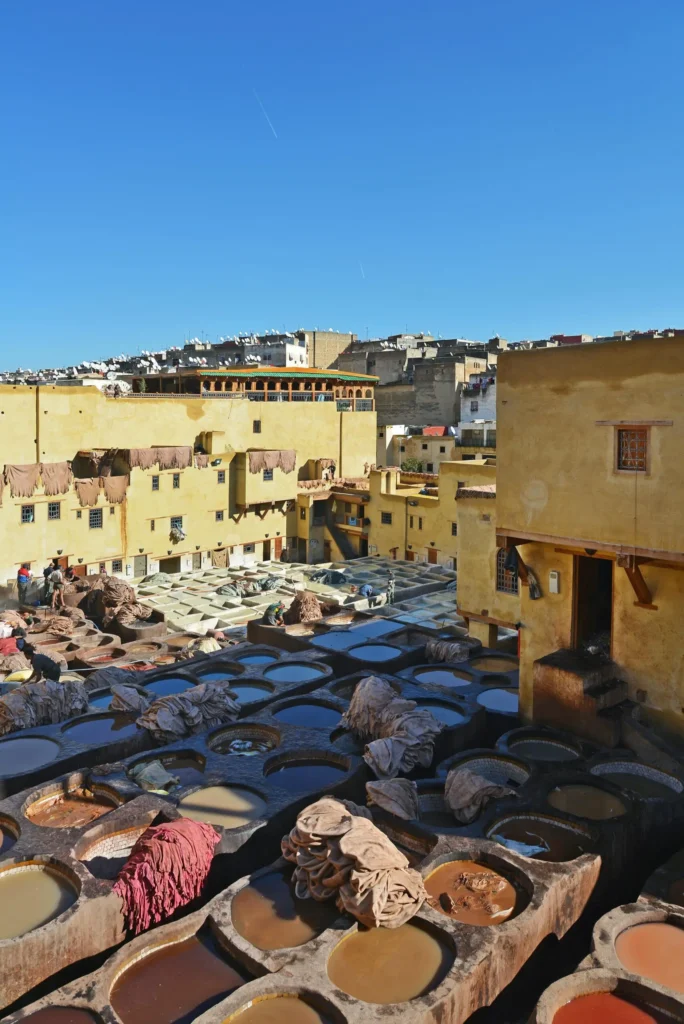
Don’t miss: The Chouara Tanneries (go at 9am), Al-Qarawiyyin University (oldest in the world), Bou Inania Madrasa.
How long: 2–3 days. Pair it with a tour — the 7-day Morocco itinerary from Fes is a great starting point.
Chefchaouen — The Blue Pearl
The Instagram photos don’t lie — the blue-painted streets of the Rif Mountains are genuinely beautiful. But Chefchaouen rewards slow travelers. Take a morning hike up to the Spanish Mosque at sunrise. Eat breakfast on a rooftop. Walk without a plan.
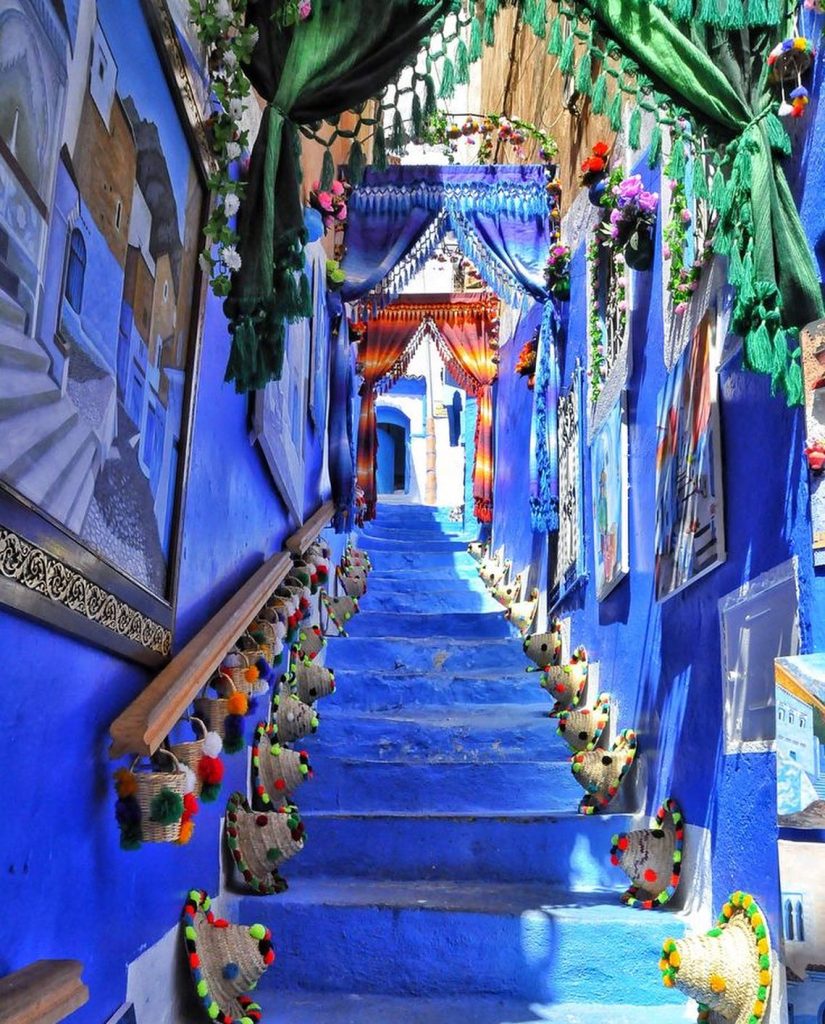
Best for: Couples, photographers, slow travelers. See things to do in Morocco for couples.
Rabat — The Capital Few Visit
Rabat is frequently overlooked, which makes it a gem. The Hassan Tower, Kasbah of the Udayas, and the Chellah ruins offer world-class history without Marrakech’s tourist pressure. A half-day here between Casablanca and Fes is genuinely worthwhile.
Casablanca — More Than the Movie
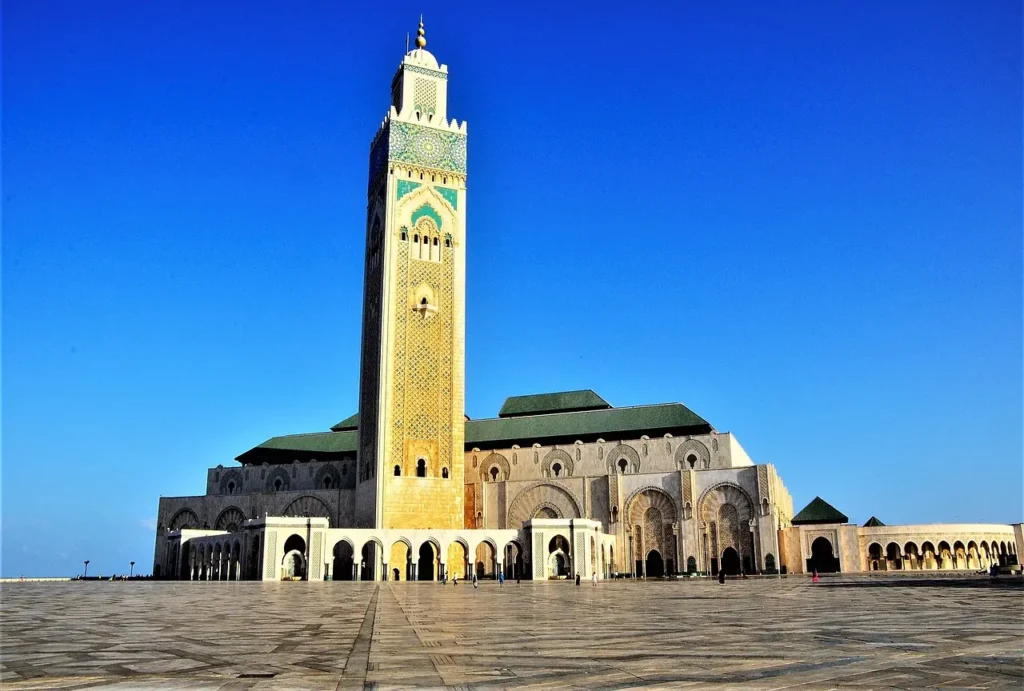
Most travelers use Casablanca as a gateway and move on quickly. That’s fair — but the Hassan II Mosque (one of the world’s largest, right on the Atlantic) deserves at least an afternoon. The Corniche area and Art Deco architecture are also deeply underappreciated.
Essaouira — Wind, Waves and Music
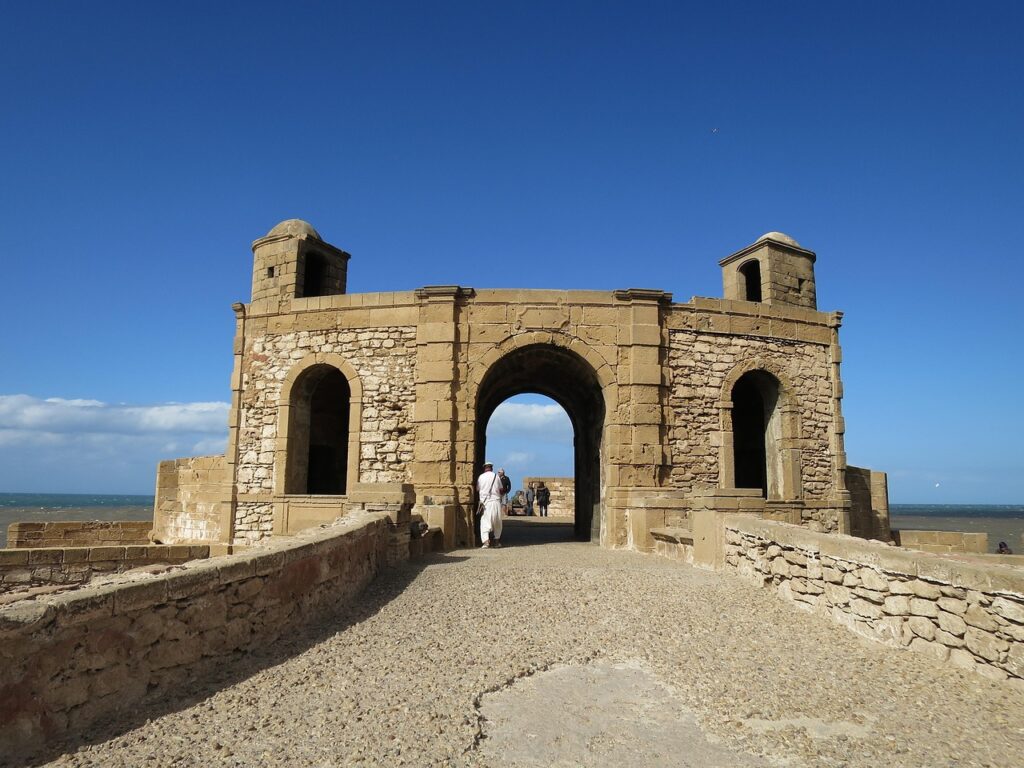
A fortified coastal city with a completely different energy to the imperial cities. It’s laid-back, creative, and deeply musical — home to the annual Gnawa World Music Festival. See our guide to Gnawa music in Morocco for context on its cultural significance.
The Sahara Desert: Morocco’s Most Iconic Experience
No Morocco trip is complete without the Sahara. But most travel blogs treat it as one generic experience — it’s not.
Merzouga vs Zagora: Which Desert Should You Choose?
| Factor | Merzouga (Erg Chebbi) | Zagora |
|---|---|---|
| Dune Size | Massive — up to 150m high | Smaller, more accessible |
| Distance from Marrakech | ~9 hours drive | ~5 hours drive |
| Atmosphere | Remote, dramatic, cinematic | Easier to reach, good for short trips |
| Best For | Full desert experience | Weekend trips, families |
| Camel Trek | 1–2 hours to camp | 30–60 minutes to camp |
Still deciding? Read our full Merzouga vs Zagora comparison before you book.
How to Get to the Sahara
Option 1 — Guided Tour (Recommended): A private or group tour from Marrakech or Fes handles everything — transport, camp, camel trek, breakfast in the dunes. Stress-free and surprisingly affordable. Browse Sahara desert tours in Morocco.
Option 2 — Self-Drive: Absolutely doable with the right preparation and a 4WD for the final desert roads. See our honest self-drive to Sahara vs guided tour comparison before deciding.
Insider tip most guides miss: The best Sahara experience isn’t the camel ride itself — it’s waking up at 5am, climbing a dune alone, and watching the sun rise over 300km of empty sand. Book a camp that positions you away from the main tourist clusters. We can help with that.
See things to do in Morocco’s Sahara desert and desert stargazing locations for the full picture.
Morocco Itinerary Ideas: How Long Should You Stay?
| Duration | What’s Realistic | Best For |
|---|---|---|
| 5 days | Marrakech + day trip only | Short breaks, first glimpse |
| 7 days | Marrakech + Sahara OR Fes + Chefchaouen | Most popular option |
| 10 days | Marrakech + Sahara + Fes + Chefchaouen | The classic full circuit |
| 14 days | Everything above + coast + Atlas Mountains | Deep immersion |
Most travelers underestimate travel times. Morocco is bigger than it looks on a map. Marrakech to Merzouga (Sahara) is a 9-hour drive. Factor that in.
Here are some ready-to-use itineraries from our site:
- 7-day trip to Morocco — the most popular starting point
- 8-day Morocco itinerary — adds breathing room
- 9-day Morocco itinerary — ideal for first-timers who want it all
- 10-day Sahara tour from Marrakech — for the full desert experience
- Complete Morocco travel itinerary — the definitive 2-week plan
How to Get Around Morocco
Getting around Morocco is one of the most common trip-planning headaches. Here’s what actually works.
Train (ONCF / Al Boraq)
The fastest and most comfortable option between major cities. The Al Boraq high-speed line connects Tangier–Kenitra–Rabat–Casablanca in under 2 hours. Trains continue to Marrakech and Fes. Book online at oncf.ma — tickets sell out on weekends.
CTM Bus
Reliable, air-conditioned, and covers routes trains don’t. Good for Agadir, Essaouira, Ouarzazate, and desert-direction routes. Slightly slower but very affordable.
Private Driver / Guided Tour
This is the real game-changer for Morocco. Hiring a private driver for multi-day desert routes gives you flexibility, local knowledge, and comfort — for far less than you’d expect. It’s the difference between a stressful transfer and a genuine experience. See our Morocco private tours for options.
Petit Taxis
Cheap, city-based, and color-coded by city (red in Marrakech, blue in Fes, etc.). Always agree on a price before getting in, or insist on the meter. Apps like Wetaxi.ma and inDrive now offer fixed-price alternatives in major cities — use them.
For a full breakdown, see ways to travel around Morocco.
Morocco Travel Costs: What to Budget in 2026
Most blogs either massively overprice or underprice Morocco. Here’s an honest breakdown:
| Category | Budget | Mid-Range | Luxury |
|---|---|---|---|
| Accommodation | €15–30/night | €50–120/night (riad) | €150–400+/night |
| Food | €8–15/day (street food) | €20–40/day (restaurants) | €60–100+/day |
| Transport | €5–15/day (bus/train) | €30–60/day (private driver) | €100+/day |
| Activities | €5–15 (site entry fees) | €30–80 (guided tours) | €150+ (private experiences) |
| Daily Total | €30–50/person | €80–150/person | €300+/person |
Hidden cost most travelers miss: Tipping culture in Morocco is significant. Guides, drivers, riad staff, and restaurant servers all expect a tip. Budget €5–10/day for tips on top of your main costs.
Planning on a tight budget? See Morocco on a budget for exact money-saving strategies.
Is Morocco Safe for Tourists in 2026?
Yes — Morocco is one of the safest countries in Africa for tourists. But safety is nuanced, and most blogs either over-reassure or over-warn. Here’s the honest picture.
Genuinely low risk:
- Violent crime against tourists is extremely rare
- Morocco has a strong tourist police presence in major cities
- The country has significant political stability
Worth being aware of:
- Hustlers and unofficial “guides” in Fes and Marrakech medinas — politely but firmly declining works well
- Scams at transport hubs — always use official taxis or pre-arranged drivers
- Solo women travelers face more unwanted attention — it’s manageable with the right preparation
Read our full guide: Is Morocco safe for tourists? and traveling to Morocco as a woman for specific advice.
Morocco Culture and Etiquette: What You Need to Know
Respecting local culture isn’t just politeness — it genuinely transforms your experience. Moroccan hospitality is legendary, but it’s built on mutual respect.
Key etiquette rules:
- Dress modestly away from beach resorts — shoulders and knees covered in medinas and villages
- Ask before photographing people — always, especially in rural areas
- Accept mint tea when offered — refusing is considered rude
- Learn a few words of Darija — Shukran (thank you), La shukran (no thank you), B’saha (cheers) go a very long way
- Ramadan awareness — eating or drinking in public during daylight hours is disrespectful. Ramadan in 2026 is expected late February to late March
- Bargaining is normal in souks — start at 40–50% of the asking price and keep it good-humored
Explore the incredible Moroccan souks and Morocco shopping guide before you go — knowing what things should cost makes bargaining much easier.
Moroccan Food: What to Eat and Where
Moroccan cuisine is extraordinary — and massively underrepresented in most travel guides. It goes far beyond tagine.
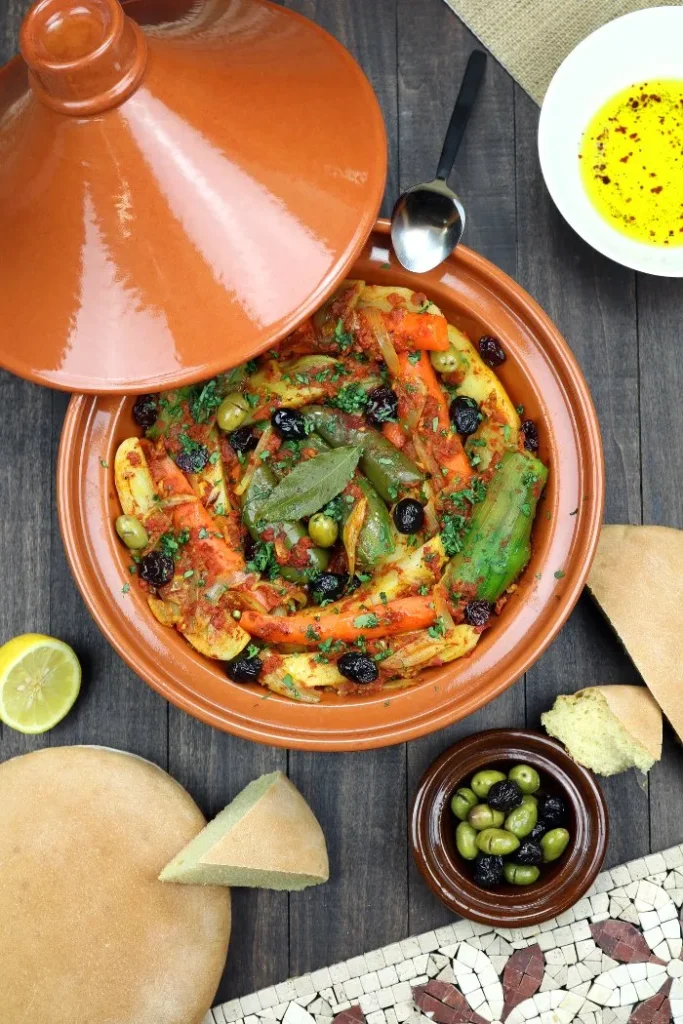
Must-eat dishes:
- Tagine — slow-cooked lamb, chicken, or vegetable stew with preserved lemon and olives
- Couscous — traditionally eaten on Fridays; find it in local homes and authentic restaurants
- Bastilla — a flaky pastry filled with pigeon or chicken and almonds; sweet-savory and unlike anything else
- Harira — a rich tomato and lentil soup, especially popular during Ramadan
- Msemen — flaky flatbread served at breakfast with honey and argan oil
- Mechoui — slow-roasted whole lamb; worth seeking out in Marrakech’s Djemaa el-Fna
Where to eat well:
- Street food around Djemaa el-Fna — some of the best value and atmosphere anywhere
- Small local restaurants away from tourist streets
- Riad breakfasts — most good riads serve extraordinary morning spreads
Read more: authentic Moroccan cuisine and Moroccan street food recommendations.
What to Pack for Morocco
Packing wrong is one of the most common Morocco mistakes. The climate varies enormously — from Atlantic coast to High Atlas to Sahara desert.
Universal essentials:
- Lightweight, modest clothing — loose layers work for both modesty and temperature
- Comfortable walking shoes with ankle support — medina streets are uneven cobblestone
- A warm layer for desert nights — even in summer, Sahara nights get cold
- Sunscreen, lip balm, and sunglasses — the sun is intense year-round
- Cash in Moroccan Dirhams — many small vendors, riads, and souks don’t accept cards
- Offline maps downloaded — Maps.me or Google Maps offline work well throughout the country
Full packing list: What to pack for your trip to Morocco.
Morocco for Every Type of Traveler
Morocco works for almost every travel style — the key is knowing which version to book.
| Traveler Type | Best Experience | Suggested Guide |
|---|---|---|
| Families | Marrakech + Atlas day trips + Sahara | Family vacation in Morocco |
| Couples | Riad stays + Sahara sunset + Chefchaouen | Morocco itinerary for honeymooners |
| Solo travelers | Fes + Chefchaouen + group Sahara tour | Solo travel in Morocco |
| Seniors | Private tours, riads, slower pace | Best Morocco tours for seniors |
| Adventure seekers | Atlas trekking + Sahara + Ouzoud waterfalls | 12-day Morocco adventure tour |
| Photographers | Chefchaouen + Fes tanneries + Sahara dunes | Best photography spots in Morocco |
| Budget travelers | Hostels + CTM buses + street food | Morocco on a budget |
Hidden Gems Most Morocco Travel Guides Miss
This is where most travel guides fall flat — they cover the same five cities and call it done. Here are destinations genuinely worth adding to your radar.
Aït Benhaddou — A UNESCO-listed ksar used as a film set for Gladiator, Game of Thrones, and The Mummy. Breathtaking at sunrise and genuinely uncrowded midweek.
Dades Gorge and Todra Gorge — Two of Morocco’s most dramatic canyons, both accessible on a Sahara route. Most tours speed through — stay overnight and wake up to silence and vertical orange rock walls.
Ouzoud Waterfalls — Morocco’s most spectacular waterfall, tucked into the Middle Atlas and completely unknown to most visitors. Barbary macaques live in the surrounding forest. Full guide here.
Moulay Idriss — Morocco’s holiest city, perched dramatically on two hilltops near Meknes. Until 2005, non-Muslims weren’t allowed to stay overnight. The atmosphere is deeply authentic and overwhelmingly peaceful.
Khamlia Village — A small Gnawa village near Merzouga with a deep musical heritage and some of the best live desert music in Morocco. Be aware — it’s also become a tourist draw with some commercial pressure. Read our honest assessment here.
Step-by-Step: How to Plan Your Morocco Trip in 2026
Follow this process and you’ll avoid 90% of common Morocco planning mistakes.
Step 1 — Choose your trip length and style. Are you here for culture, desert, coast, or all three? Your answer determines your base cities. Most first-timers should plan 10–14 days minimum for a meaningful experience.
Step 2 — Pick your entry point. Marrakech is best for south and Sahara routes. Casablanca is best for the imperial cities circuit. Tangier is best for a north-to-south journey. See departure-based itineraries: from Marrakech, from Casablanca, from Tangier, from Fes.
Step 3 — Book accommodation early. The best riads in Marrakech and Fes sell out 3–6 months ahead for spring. For Sahara camps, book at least 6–8 weeks ahead. Don’t leave this late.
Step 4 — Arrange your desert transport. Don’t rely on public buses for Sahara routes. Either book a private driver or a guided tour. A local driver transforms the journey with stops, local knowledge, and real flexibility.
Step 5 — Plan your city time without over-packing it. Three days in Marrakech feels like a week elsewhere. One or two major sites per day, plus time to simply wander, is the right pace.
Step 6 — Leave buffer days. Morocco runs on its own rhythm. Trains are sometimes delayed. The best moments often happen when you have nowhere specific to be.
FAQ: Morocco Travel 2026
Do I need a visa to visit Morocco? Most Western passport holders — including US, UK, EU, Canadian, and Australian citizens — can enter Morocco visa-free for up to 90 days. Always check your specific country’s requirements before booking flights.
What currency is used in Morocco, and can I use cards? Morocco uses the Moroccan Dirham (MAD). Cards are accepted in hotels, larger restaurants, and some shops — but cash is essential in medinas, street food stalls, and rural areas. Withdraw Dirhams from ATMs on arrival. Avoid airport currency exchange counters — the rates are poor.
Is Morocco safe for solo female travelers? Yes, with preparation. Solo women will experience more unsolicited attention in busy medinas than men do. The key strategies: dress modestly, walk confidently, stay in well-reviewed riads, and use pre-arranged transport in the evening. See our detailed guide to traveling to Morocco as a woman.
Why don’t most Morocco guides explain the difference between Merzouga and Zagora? Because most are written by people who visited one or the other, not both. The difference matters enormously for your trip. Merzouga has Morocco’s most spectacular dunes but requires a longer journey. Zagora is quicker and better for short trips or families with young children. Compare both here.
How much Moroccan Arabic do I need to speak? Barely any — French is widely spoken and English is increasingly common in tourist areas. That said, a handful of Darija phrases will earn you immediate warmth and genuine smiles from locals who appreciate the effort.
Is Morocco good for families with young children? Absolutely. Moroccan culture is deeply family-oriented and children are welcomed everywhere. The key is choosing the right itinerary — see Sahara desert tours with kids and our family vacation in Morocco guide for specific advice.
Book Your Morocco Trip: Next Steps
Morocco Service Tours is a locally based operator run by Moroccan experts who have guided thousands of travelers through every corner of the country. We offer:
- Private Morocco tours — fully customized, door-to-door, your pace
- Luxury private tours — boutique riads, private drivers, curated experiences
- Custom Morocco tours — you tell us what you want, we build it
- Morocco vacation packages 2025–2026 — all-inclusive options for stress-free planning
Not sure where to start? Browse our guide to Morocco tours or contact us directly. We respond within 24 hours, speak English and French, and give honest advice — even if that means recommending something we don’t operate ourselves.
Morocco is waiting. Let’s make it unforgettable.
Start Planning Your Morocco Trip →
Related Articles to Read Next
- 10 of the best things to do in Morocco
- 7 best places to visit in Morocco
- Morocco with locals — why it matters
- A fascinating journey in Morocco
- Morocco ultimate destination guide
Article last updated: April 2026 | Morocco Service Tours — Local Experts, Real Experiences
Why Choose Morocco Service Tours
When planning your khamlia or Merzouga adventure, partnering with experienced operators makes all the difference.
Our Advantages:
- Local guides born in desert communities
- Flexible itineraries tailored to your interests
- Transparent pricing with no hidden fees
- Eco-friendly camps supporting local communities
- 24/7 support throughout your journey
We handle the complicated logistics, transportation, accommodation, permits, activities—so you focus on making memories. Whether you’re visiting Morocco for the first time or returning to explore deeper, we create journeys that exceed expectations.
Your Sahara Journey Awaits
Ready to book? Contact our team for personalized recommendations matching your travel style, budget, and dates. We’ll help you design the perfect balance of independence and support for your unforgettable Sahara adventure.
Share your desert adventures with us on Pinterest or instagram and inspire fellow travelers!
Because the question isn’t really “Khamlia vs Merzouga”—it’s “How do I experience the Sahara in a way I’ll remember forever?” Let us show you.