Khamlia Morocco Tours: Your Complete Guide to the Soul of Gnawa Music in the Sahara
Quick Summary: Essential Takeaways
- Khamlia is a small Berber village near Merzouga, famous as the home of Gnawa music and descendants of sub-Saharan slaves
- Best time to visit: October-April (avoid scorching summer heat of 45°C+)
- Getting there: 560km from Marrakech (7-8 hours), 10 min drive from Merzouga
- Must-do experiences: Live Gnawa performance, traditional Berber tea ceremony, desert dune access
- Tour options: Day trips from Merzouga or multi-day Khamlia Morocco tours from major cities
- Authenticity factor: This is NOT a tourist trap—real families, real music, real hospitality
Introduction: Where the Desert Sings
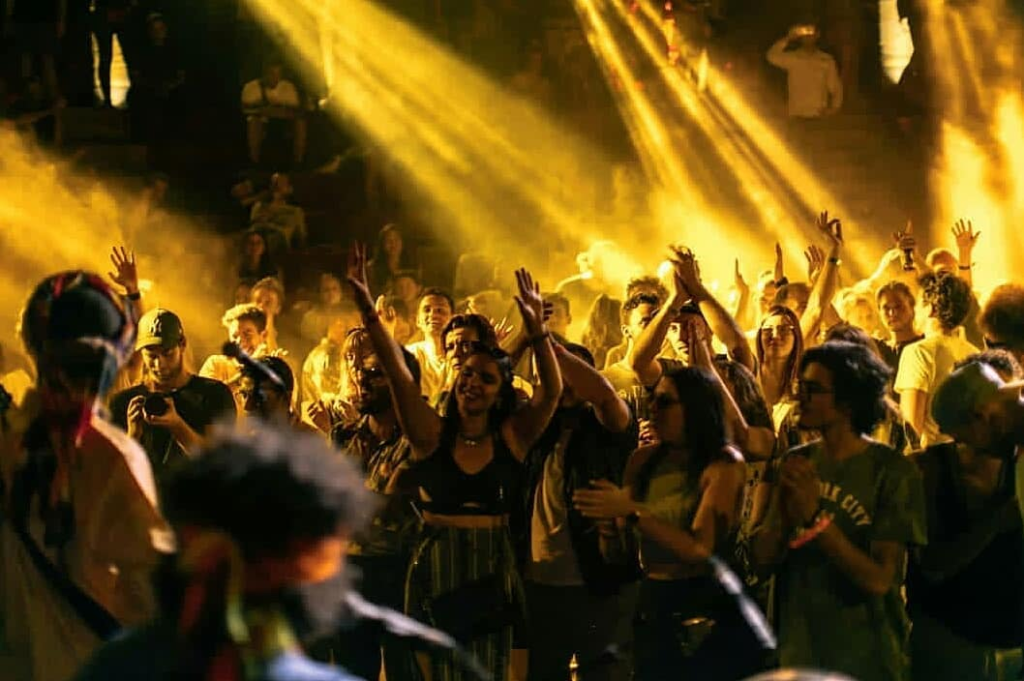
Khamlia is a tiny Saharan village where ancient Gnawa music—a spiritual tradition. comes alive in family homes, not tourist shows. Located 10min from Merzouga on the edge of Morocco’s iconic Erg Chebbi dunes, this authentic oasis offers one of Morocco’s most moving cultural experiences: sitting cross-legged on hand-woven carpets while musicians create hypnotic rhythms with metal castanets and three-stringed lutes, their voices rising in trance-inducing chants that have echoed through generations. Unlike polished folklore performances in Marrakech riads, what happens here is raw, lived, and profoundly real.
In this guide, you’ll discover everything you need to know about Khamlia Morocco tours: how to get there, what to expect, the cultural significance of this remarkable place, and how to plan an authentic Khamlia visit that respects both the community and your Morocco travel budget.
What Makes Khamlia Special? Understanding the Village’s Soul
The Gnawa Heritage: More Than Just Music
Khamlia (sometimes spelled Khemliya) is home to approximately 400 people, most of whom are descendants of enslaved people brought from sub-Saharan Africa—particularly Mali, Senegal, and Sudan—centuries ago. While their ancestors arrived in chains, their descendants have preserved something priceless: Gnawa music, a spiritual and healing tradition that blends Islamic Sufism with pre-Islamic African animism.
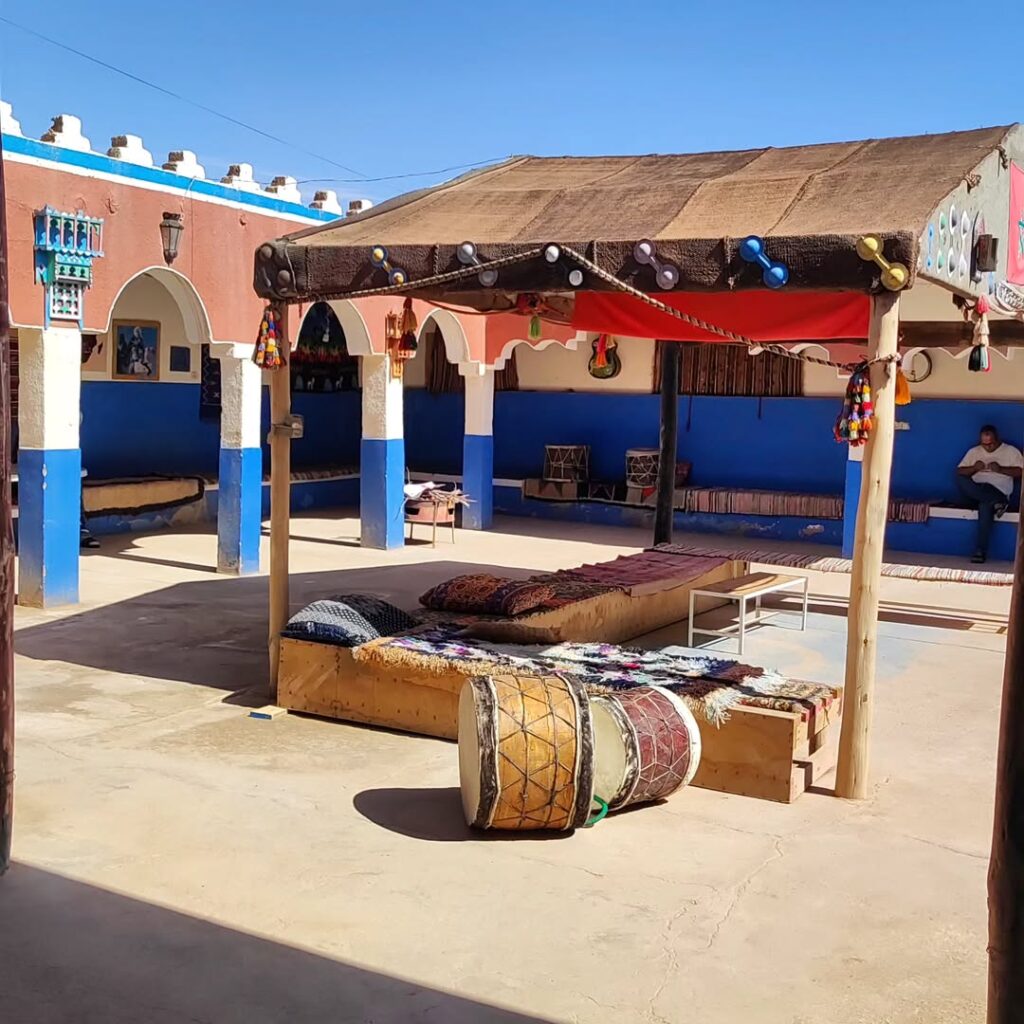
This isn’t background music for your couscous dinner. Gnawa performances are traditionally healing ceremonies that can last all night, designed to summon spirits, cure ailments, and create spiritual transformation. What you’ll experience in Khamlia is an abbreviated, respectful version of this sacred practice—but the power remains undeniable.
Your Gateway to Erg Chebbi
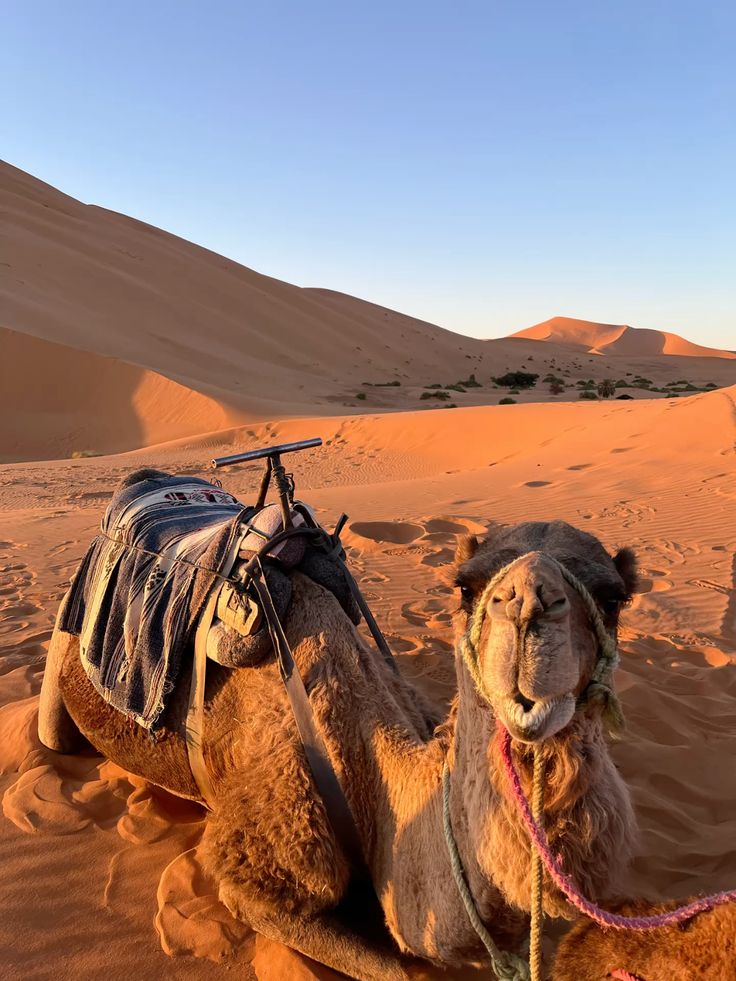
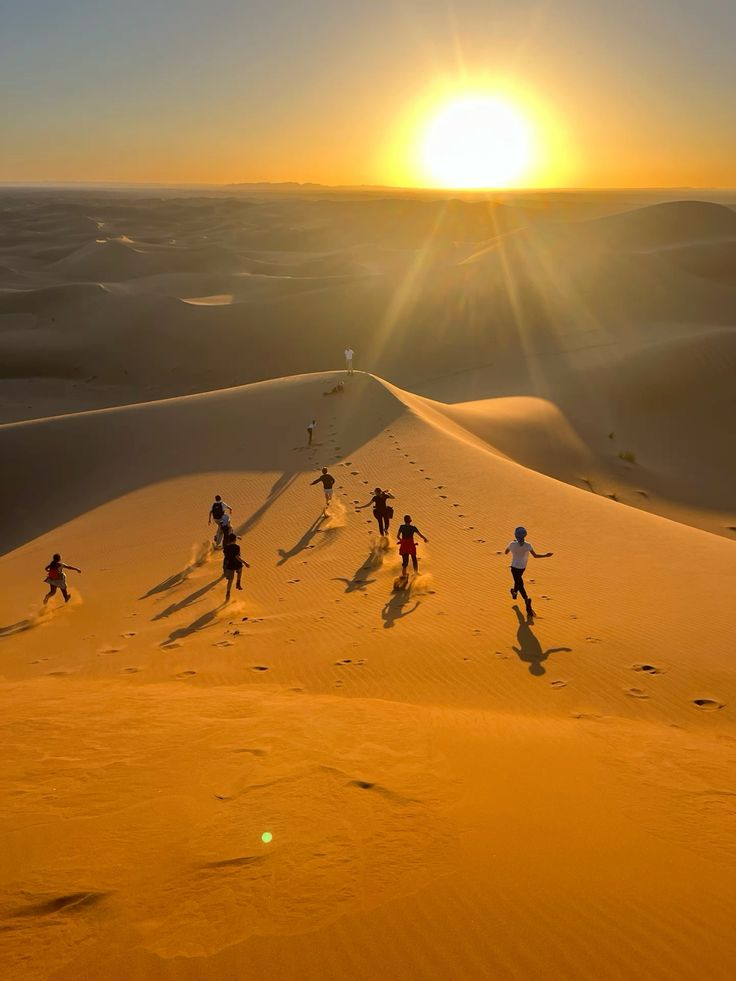
Khamlia sits on the northwestern edge of Erg Chebbi, Morocco’s most iconic sand dune system. These aren’t gentle hills—we’re talking towering walls of golden-orange sand reaching up to 150 meters high. The village’s location means you get:
- Spectacular dune access without the tourist crowds of Merzouga proper
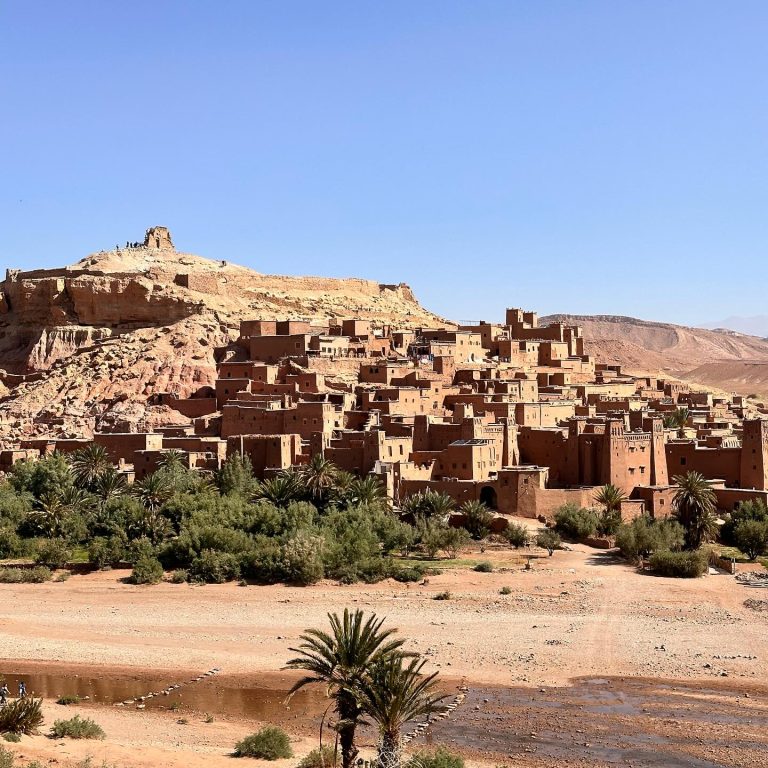
- Authentic Berber village life with traditional architecture (watch for the distinctive blue-painted doors)
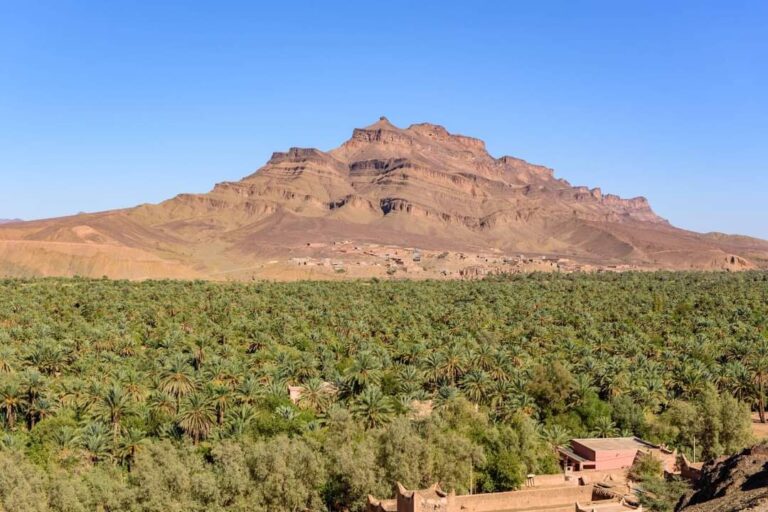
- Agricultural oases where date palms and vegetables grow impossibly in the desert
- Stunning sunrise/sunset viewpoints over the dunes (the light here is a photographer’s dream)
Planning Your Khamlia Morocco Tours: Practical Guide
How to Get to Khamlia
From Merzouga (10-15 minutes): This is the most common approach. Merzouga is the desert tourism hub, and most travelers base themselves here. You can:
- Rent a car: Possible, but the piste (dirt track) can be confusing and sandy
- Taxi: Negotiate around 200-300 MAD return (wait time included)
- Join a guided day trip: 350-600 MAD per person, includes transport, music performance, and tea
From Marrakech (560km, 7-8 hours): This requires a multi-day tour from Marrakech. The drive crosses the High Atlas Mountains (Tizi n’Tichka Pass at 2,260m), passes through Ouarzazate and the Todra Gorge, then reaches the desert. Attempting this as a day trip would be madness—you’d spend 16 hours in a car!
From Fes (470km, 7 hours): A popular route through Ifrane (“Morocco’s Switzerland”), the Ziz Valley, and Erfoud. Most Khamlia Morocco tours from Fes are 3-day/2-night minimum.
True Local Experience: Many agencies drive the tarmac road then switch to 4×4 for the final approach. we usually go via the scenic piste route past nomad camps and fossil quarries—it adds 20 minutes but transforms the journey.
Best Time to Visit Khamlia
Peak season (October-April): Daytime temperatures are perfect (20-25°C), though nights can drop to 5°C. This is when Khamlia day trips are most pleasant.
Shoulder season (May, September): Starting to heat up but still manageable. Fewer tourists, better negotiation on prices.
Avoid (June-August): Unless you enjoy 45-48°C heat that makes walking on sand literally painful, skip summer. Locals joke that even the lizards stay indoors at midday!
Festival timing: The Khamlia Gnawa Music Festival usually happens in May. If you time your Khamlia Morocco itinerary around this, you’ll see performances from groups across southern Morocco—though expect higher accommodation prices.
What to Experience: Your Khamlia Morocco Itinerary
1. The Gnawa Music Performance (The Main Event)
Most Khamlia Morocco tours center around a 30-60 minute Gnawa performance. Here’s what happens:
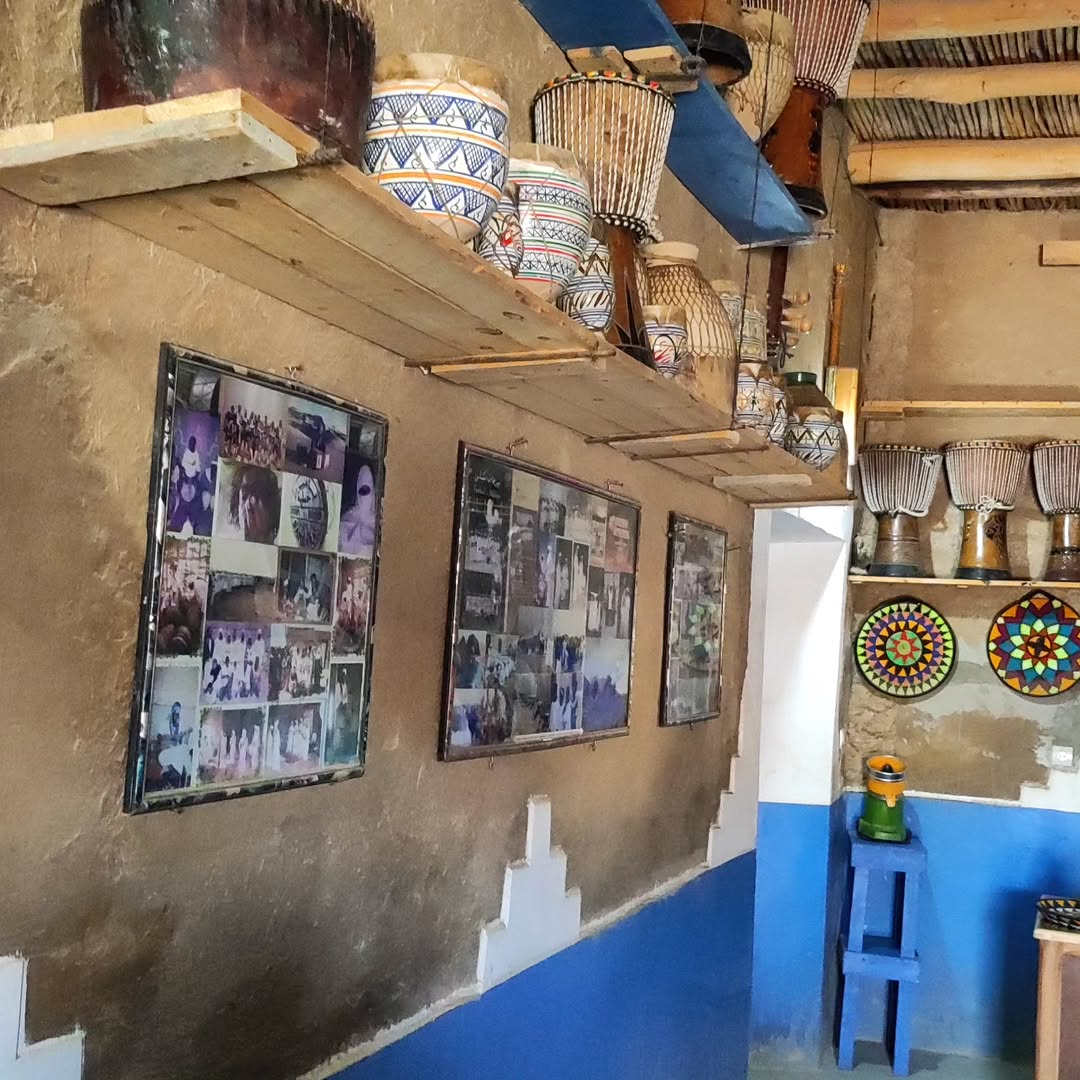
You’ll be welcomed into a family home (often decorated with music awards and photos of the group with celebrities). Sit on cushions, accept the inevitable mint tea, and then the music begins. Three to six musicians create a sound that’s simultaneously rhythmic, melodic, and utterly trance-inducing.
What to know:
- Photography is usually fine, but ask first and avoid flash
- Tipping is customary: 50-100 MAD per person is standard (negotiated through your driver or included in tour packages)
- The trance dancing: Sometimes performers will enter a trance state, eyes rolling back, moving rhythmically. This is legitimate spiritual practice—treat it with respect
- Duration varies: If you’re in a large tour group, expect the abbreviated version. Smaller groups or private tours often get longer, more intimate sessions
Local Secret: Ask to meet the instrument makers. Some families craft their own guembris from camel skin and wood. Watching this craft is mesmerizing and rarely included in standard tours.
2. Traditional Berber Tea Ceremony
Before or after music, you’ll be served Moroccan mint tea—but this isn’t just a beverage, it’s a ritual. The pouring technique (from height, creating foam) is an art form. The saying goes: “The first glass is as gentle as life, the second is as strong as love, the third is as bitter as death.”
You’ll typically be offered all three rounds. Refusing is considered rude, so pace yourself—this is sweet tea, not weak!
Insider tip: Watch how locals hold the glass. They pinch the rim (the glass is hot) and sip loudly to show appreciation. Do the same and you’ll get smiles of approval.
3. Village Walk and Local Life
Between the main attractions, take time to wander. Khamlia remains wonderfully authentic:
- Bread baking: Mornings, you’ll see women carrying dough to communal ovens (ferranes)
- Children playing: Friendly kids kicking footballs made of plastic bags and tape
- Date palm groves: Walk the irrigation channels (seguias) that keep the oasis alive
- Local shop: One small store sells essentials and cold drinks—support them!
Photography etiquette: Always ask before photographing people, especially women. Offering to show them the photo on your screen builds goodwill. Never photograph without permission—it’s disrespectful and can create genuine distress.
4. Sunset Over the Dunes from Khamlia
While Merzouga hotels charge premium rates for dune views, Khamlia offers equally stunning vistas with zero commercialization. Walk 15 minutes east of the village and you’re climbing pristine dunes.
Best spot: Ask locals for “the big dune” (l’rmel l’kbir in Darija Arabic). It’s the highest accessible dune near the village. The climb takes 10-15 minutes (harder than it looks—sand is treacherous!), but the 360-degree view is worth every burning calf muscle.
Safety note: Bring water, wear closed shoes (sand gets scorching), and don’t attempt dune climbing at midday. Also, respect signs near protected areas—Erg Chebbi is a fragile ecosystem.
Different Types of Khamlia Morocco Tours
Option 1: Khamlia Day Trips from Merzouga
Duration: 3-4 hours Price range: 350-600 MAD per person (£28-48 / $35-60) What’s included: Transport, Gnawa performance, tea, village guide
This is perfect if you’re already based in Merzouga and want a cultural experience between camel trekking and dune bashing.
Pro tip: Morning visits (9-11am) are cooler and the light is beautiful. Avoid the midday crush when multiple tour groups converge.
Option 2: Multi-Day Desert Tours Including Khamlia
Most common: 3-day Marrakech to Merzouga tours Price range: €150-350 per person depending on accommodation quality Typical itinerary:
- Day 1: Marrakech → Ait Benhaddou → Dades Valley (overnight)
- Day 2: Todra Gorge → Khamlia performance → Merzouga desert camp (overnight)
- Day 3: Sunrise in Sahara → return via Draa Valley or Rissani
This structure works because Khamlia sits naturally on the route between the gorges and Merzouga’s desert camps.
What to look for: Check whether the Khamlia visit is a rushed 30-minute stop or a genuine 90-minute experience with time to explore. Not all tour operators are equal.
Option 3: Custom Private Khamlia Morocco Itinerary
Best for: Travelers who visit Khamlia want flexibility, photographers, culture enthusiasts Advantages:
- Choose your own schedule (early morning light, extended music sessions)
- Visit family homes not on the standard tour circuit
- Combine with off-piste exploration (nearby fossil sites, nomad camps)
- Actually have conversations with locals rather than being herded through
Many travelers prefer the peace of mind that comes with experienced local guidance, especially when cultural context matters. We can arrange everything from vehicle type to meal preferences to photography permissions.
Cultural Etiquette: How to Be a Respectful Visitor
Dress Code
Morocco is relatively moderate, but respect goes far:
- Women: Cover shoulders and knees. A light scarf is useful for covering hair in more conservative moments (not required but appreciated)
- Men: Long pants preferred over shorts, though shorts are acceptable in desert heat
- Everyone: Remove shoes when entering homes
Photography Guidelines
- Always ask first: “Mumkin surah?” (Can I take a photo?) people are welcoming, particularly older women.
- Offer to send photos: Exchange WhatsApp numbers and actually follow through—locals appreciate this
Tipping Culture
Tipping (baksheesh) oils the wheels of Moroccan tourism:
- Music performance: 50-100 MAD per person
- Guide/driver: 100-150 MAD per day of service
- Tea service: Already included in performance tip
- Children asking for money: Politely decline. Giving encourages begging and keeps kids out of school
Local perspective: Tips directly support families. Music groups share earnings communally, with elder members and instrument maintenance taking priority. Your generosity has immediate, visible impact.
Language Basics
Most Khamlia residents speak:
- Darija (Moroccan Arabic) – primary
- Tamazight (Berber) – secondary
- French – some, especially younger people
- English – limited outside tour guides
Learn these phrases:
- Salam aleikum (Peace be upon you) – standard greeting
- Shukran (Thank you)
- Bslama (Goodbye)
- Atay zween (The tea is good) – will earn delighted smiles!
Beyond Khamlia: Combining Your Visit
Rissani Market (25km from Khamlia)
Open Sunday, Tuesday, and Thursday, this is Morocco’s most authentic southern souk. Donkey parking outnumbers car parking. Locals buy live chickens, spices by the kilo, and dates in varieties you’ve never seen. The fossil sellers near the entrance are pushy—the real market is deeper in.
Timing tip: Go early (8-10am) when it’s full of locals, not tour buses.
Merzouga’s Erg Chebbi Dunes
Obviously, you’re in the Sahara—experience it! Options:
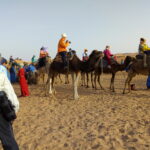
- Camel trek: Sunset or sunrise, 1-2 hours
- 4×4 dune bashing: Wild ride over sand mountains
- Sandboarding: Surprisingly difficult but fun
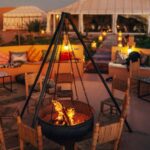
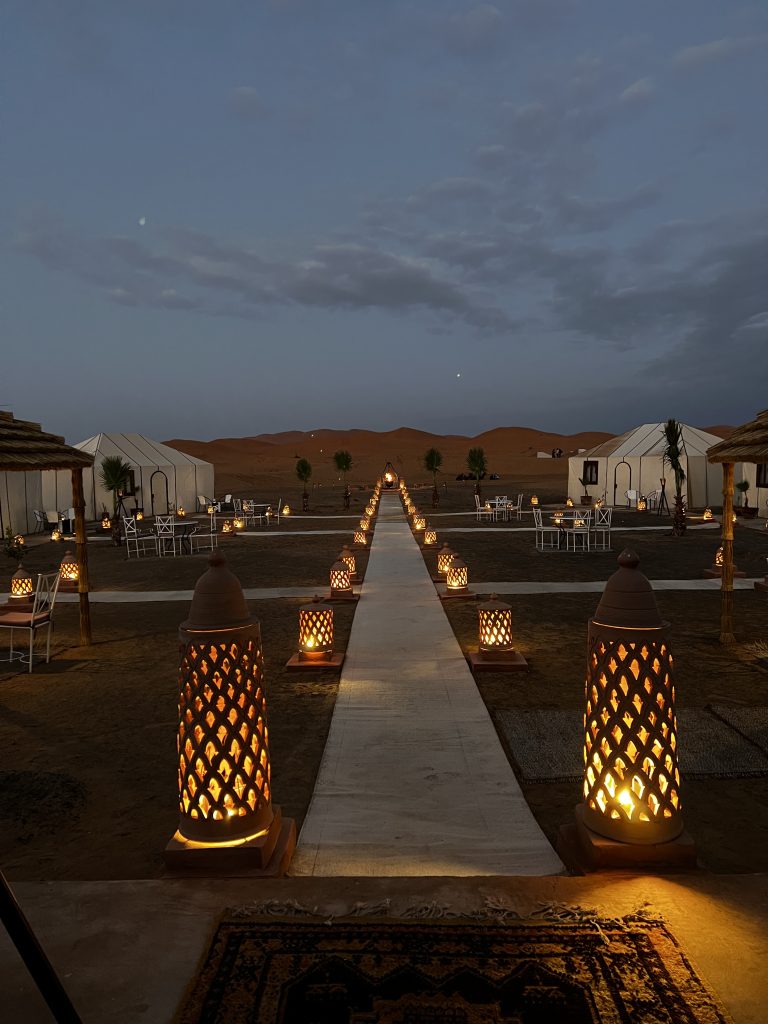
- Desert camping: Overnight in traditional Berber tents
Fossil Shops and Quarries
The region around Khamlia is famous for fossils—400 million year old trilobites and ammonites. The shops in Erfoud (50km north) are commercial, but ask your driver about the actual quarries where locals dig. Watching extraction is fascinating, and you’ll get better prices.
Warning: Export of significant fossils is restricted. Stick to small, common pieces and keep receipts.
Making It Happen: Book Your Khamlia Morocco Tours
After reading this guide, you understand why Khamlia Morocco tours offer something rare in modern travel: genuine cultural exchange without exploitation. The village has found a sustainable balance—welcoming visitors while maintaining authentic daily life.
Whether you’re drawn by the soul-stirring power of Gnawa music, the stark beauty of the Saharan landscape, or simply the desire to connect with a community that has preserved centuries-old traditions, Khamlia delivers experiences that stay with you long after the desert sand has been shaken from your shoes.
Ready to Experience Khamlia for Yourself?
Planning the perfect Khamlia Morocco itinerary requires local knowledge—which routes avoid tourist congestion, which families offer the most authentic performances, how to time your visit for optimal light and temperature. We’ve spent 15 years building relationships in Khamlia and throughout Morocco’s south, ensuring our clients experience the real Morocco while supporting communities directly.
Contact us today to design your custom tour:
- Khamlia day trips from Merzouga with flexible timing
- Multi-day desert tours incorporating Khamlia, Erg Chebbi, and the southern gorges
- Private itineraries with photography-focused scheduling, extended music sessions, and off-piste exploration
- Family-friendly tours with age-appropriate activities and pacing
We handle all logistics—transportation, accommodation, cultural guides, music performance arrangements, meals—so you focus on experiencing Morocco’s magic. Our drivers are locals who know every shortcut, every viewpoint, and every story behind the landscape you’ll cross.
Get in touch: Request your personalized quote and let’s start planning your Moroccan adventure. The desert is calling, and Khamlia’s drums are waiting to welcome you.
Have you visited Khamlia? Planning a trip and have questions we didn’t cover? We’d love to hear from you. Reach out through our contact page or share your experiences in the comments below.
Khamlia families for over eight years, we believe in sustainable tourism that actually benefits communities. Our desert tour packages include minimum 3-4 hours in Khamlia—never rushed, always meaningful.
Frequently Asked Questions About Khamlia Morocco Tours
-
Is Khamlia safe for tourists?
Absolutely. Khamlia is one of Morocco’s safest villages. Crime is virtually nonexistent, and the community relies on tourism reputation. The only “dangers” are: heat exhaustion in summer (entirely preventable). Women traveling alone report feeling completely comfortable here. Standard travel precautions apply (don’t flash expensive jewelry, watch your belongings), but this is a welcoming, safe place.
-
How much time should I budget for a Khamlia day trip?
Minimum 3 hours for a meaningful visit: 45 minutes travel from Merzouga, 60-90 minutes for music, tea, and hospitality, 30 minutes village exploration, and 45 minutes return journey. Add an hour if you want to climb dunes or visit longer. Half-day excursions (4-5 hours) are ideal, allowing for relaxed pacing without rushing through the cultural experience.
-
Can I visit Khamlia independently without a tour?
Technically yes, but it’s complicated. The piste roads aren’t marked or GPS-mapped accurately, there’s a language barrier for negotiating performances without French/Arabic, tour guides ensure musicians get proper compensation (independent travelers sometimes underpay unknowingly), and standard rental cars struggle with sandy sections. If you do go independently, rent a 4×4, download offline maps, and expect to ask directions multiple times. Most travelers find the modest cost of a Khamlia day trip from Merzouga worth the cultural insight and logistical ease.
-
Is Khamlia appropriate for families with children?

Absolutely. Khamlia families love hosting children—it creates cross-cultural connections and gives their own kids opportunities to interact with international visitors. The music fascinates most children (the instruments are visually interesting and the rhythms are infectious). Just prepare kids beforehand about cultural differences: sitting on the floor, eating with hands, basic homes. Our family tours include activities like bread-making and simple Arabic lessons that engage children beautifully.
-
What’s the difference between Khamlia and Merzouga for experiencing Gnawa music?
Khamlia = authentic, residential, music is integral to daily life. Families live here; this is their heritage.
Merzouga = tourism center with nightly performances in hotels/restaurants. Often excellent quality but clearly staged for tourists. Think of it like this: Merzouga is a professional concert; Khamlia is being invited into someone’s living room. Both have value, but Khamlia offers intimacy and authenticity that no hotel can replicate. -
Is it appropriate to bring gifts for local families?
A thoughtful gesture, but do it right. Good gifts include school supplies (notebooks, pens), children’s books in French, and small toys. Avoid used clothing (can be insulting), candy (promotes tooth decay in areas with limited dental care), and money directly to children. Best approach is to give gifts to the family patriarch/host, not directly to kids, and never promise gifts then fail to deliver. Honestly, respectful engagement, fair tipping, and genuine interest in their culture matter more than material gifts.