10 Days Sahara Tour from Marrakech: The Complete 2026 Morocco Itinerary
Quick Answer: What Does a 10-Day Sahara Tour from Marrakech Cover?
10 Days/ 9 Nights
Table of Contents
ToggleThe route in brief: Marrakech → Ouzoud Waterfalls → Ait Ben Haddou → Ouarzazate → Dades Valley → Todra Gorges → Merzouga Sahara (2 nights) → Fes → Chefchaouen → Meknes/Volubilis → return to Marrakech (or end in Fes/Casa)
Price range: €700–€2,000+ per person depending on group size, accommodation tier, and whether the tour is private or shared
Best for: First-time Morocco visitors with enough time to do it right; couples; small family groups; travelers combining Morocco’s best landscapes, cities, and culture in one circuit
At Morocco Service Tours, the 10-day circuit is our most comprehensive offering. Here is the version that works — built around real traveler feedback over years of running this route.
Why 10 Days Is Morocco’s Sweet Spot
Most travelers choose between a 7-day and a 2-week trip. The 10-day tour sits in a compelling middle ground that both schedules envy.
Compared to 7 days, you gain:
- A full second night in the Sahara — the difference between seeing the desert and actually experiencing it
- Chefchaouen as an overnight stay, not a rushed day trip — the blue city deserves a slow morning
- The Ouzoud Waterfalls day, which almost every 7-day itinerary cuts but which is one of Morocco’s most spectacular natural sights
- A proper Fes exploration with a guided medina day, not just an afternoon
Compared to 14 days, you lose some of the coast and the Atlantic — but the core of what makes Morocco extraordinary is entirely here.
The extra three days matter more than any other three days you could add to a shorter itinerary.
10-Day Morocco Tour: At a Glance
| Day | Route | Key Experiences |
|---|---|---|
| Day 1 | Arrive Marrakech | Djemaa el-Fna, riad, first medina walk |
| Day 2 | Marrakech | Bahia Palace, Saadian Tombs, Majorelle Garden, souks |
| Day 3 | Ouzoud Waterfalls day trip | 110m waterfalls, macaques, canyon walk |
| Day 4 | Marrakech → Dades | Tichka Pass, Ait Ben Haddou, Atlas Studios, Dades Gorge |
| Day 5 | Dades → Tinghir | Rose Valley, Skoura/Amridil Kasbah, Todra Gorges |
| Day 6 | Tinghir → Merzouga | Erfoud fossils, Erg Chebbi, sunset camel trek |
| Day 7 | Merzouga (full day) | 4×4 excursion, Khamlia, Rissani market, Flamingo Lake |
| Day 8 | Merzouga → Fes | Ziz Valley, Midelt, Azrou forest, Ifrane |
| Day 9 | Fes → Chefchaouen | Guided medina tour, Tanneries, blue city evening |
| Day 10 | Chefchaouen → Meknes → Marrakech | Sunrise medina, Volubilis, Bab Mansour |
| Day 11 (optional) | Essaouira | Atlantic coast, harbor, kite surfers, fresh sardines |
Day-by-Day: 10 Days Sahara Tour from Marrakech
Day 1: Arrive Marrakech — First Impressions and Medina Orientation
Arrive at Marrakech Menara Airport. Transfer to your riad in the medina — if it’s your first time, do not underestimate how confusing the medina’s lanes are after a long flight. Have your riad’s address in Arabic on your phone and show taxi drivers the Arabic script, not the English transliteration.
Afternoon: Walk to Djemaa el-Fna as the square shifts from daytime chaos to evening theatre. Snake charmers, acrobats, and storytellers give way to hundreds of food stalls, the smell of charcoal and cumin rising in the dusk. Pull up a seat on any rooftop café around the square and watch it unfold with a pot of mint tea.
Evening: Dinner in the medina. The food stalls on Djemaa el-Fna are an experience — €3 for harira soup, €5 for grilled merguez, bargaining expected. Or go deeper into the souks to find a proper sit-down restaurant: Nomad and Cafe Clock are both excellent, non-touristy options.
Overnight: Riad in Marrakech medina
Day 2: Marrakech City Day — Palaces, Gardens, Souks
Most 10-day itineraries push straight to the desert on Day 2. We don’t. A proper morning in Marrakech sets the cultural context for everything that follows.
Morning:
- Bahia Palace: 19th-century vizier’s palace with extraordinary zellige tilework and carved cedarwood ceilings. Arrive before 9 AM before tour groups. Free the first 30 minutes of the day.
- Saadian Tombs: Rediscovered in 1917, hidden for centuries behind a wall. The 16th-century royal necropolis has Italian Carrara marble and intricate plasterwork that staggers architects.
- Ben Youssef Madrasa: The largest historic Islamic college in Morocco. The central courtyard — carved stucco, cedar balconies, a marble pool — is one of the most photographed spaces in the country. It deserves to be.
Afternoon:
- Jardin Majorelle: Yves Saint Laurent’s cobalt-blue garden, now home to the Berber Museum. Book tickets online — it sells out during peak season and the queue without a reservation is genuinely unpleasant.
- Souk exploration: The Marrakech souks are seven interconnected marketplaces — leather, spice, lamp, textile, wood, silver, henna. A good rule: explore without buying on Day 2, return to buy on Day 10 when you know what things should cost.
For a full guide to what’s worth your time, our Top Things to Do in Marrakech covers every major sight with honest timing and skip-worthy warnings.
Overnight: Riad in Marrakech
Day 3: Ouzoud Waterfalls Day Trip — Morocco’s Best Kept Natural Secret
Here is the stop that almost every 10-day competitor itinerary omits. And it is genuinely extraordinary.
The Ouzoud Waterfalls are 110 meters high — the tallest in North Africa — cascading through a red canyon 150km northeast of Marrakech. The surrounding olive grove has been growing for 800 years. Barbary macaques live in the cliffs. The mist at the base of the falls creates rainbows in the afternoon sun.
Most travelers discover Ouzoud only after returning home, scrolling photos they wish they’d taken. We build it into the 10-day tour because it deserves to be there.
The drive from Marrakech takes about 2.5 hours each way. Depart by 8 AM, arrive late morning, spend 2–3 hours at the falls, lunch in the village, return to Marrakech by late afternoon. A gentle, spectacular contrast to the city.
Our dedicated Ouzoud Waterfalls guide has everything you need — best viewpoints, the canyon walk, the local restaurants, and how to avoid the tourist traps at the top.
Overnight: Riad in Marrakech (3rd night)
Day 4: Marrakech → Ait Ben Haddou → Ouarzazate → Dades Valley (~5–6 hours)
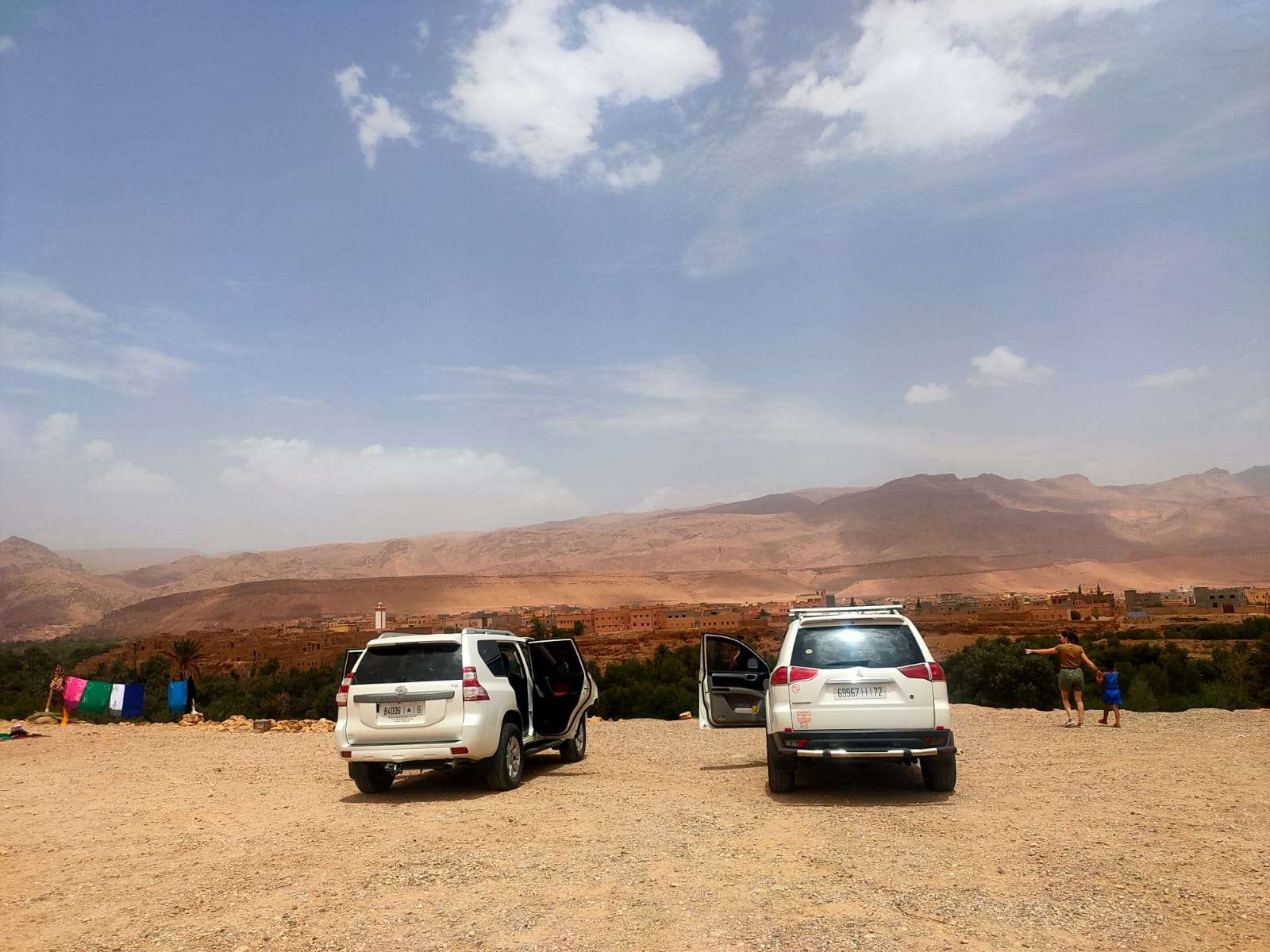
The desert circuit begins. Pickup early — by 7:30 AM — for the High Atlas crossing via the Tizi n’Tichka Pass at 2,260 meters. The road climbs through a dozen dramatic hairpin bends, past Berber villages clinging to ridgelines and views that make you understand why Moroccan poetry is so full of mountain imagery.
Ait Ben Haddou arrives at mid-morning. The 10th-century UNESCO World Heritage ksar — mud-brick towers rising from a dry riverbed — has appeared in Gladiator, Game of Thrones, Lawrence of Arabia, The Mummy, and over 20 other major productions. Allow 90 minutes. Cross the riverbed on foot, climb to the top granary, and let a local site guide explain the architecture. The view back across the valley is one of Morocco’s defining images.
Lunch in Ouarzazate — the Hollywood of Africa. The Atlas Film Studios are worth an hour inside: the largest in the world by area, with standing sets from major productions you can walk through. Most itineraries mention them in one sentence. Actually enter.
Afternoon drive into the Dades Valley — volcanic rock formations, ancient ksars, and the legendary Dades Gorge hairpin switchbacks carved into the cliff face. The approach from the south, with the road spiraling up the canyon wall above you, is one of the most dramatic drives in North Africa.
Overnight: Kasbah or guesthouse in Boumalne Dades
Day 5: Dades → Rose Valley → Skoura → Todra Gorges
A day that most shorter tours rush through in 4 hours. Here, you have time.
Morning through the Rose Valley (Kelaat M’Gouna): thousands of Damask rose fields covering the hillsides, rose oil cooperatives, rose water sold in every roadside shop. In May, the entire valley hosts the Rose Festival — one of Morocco’s most beautiful celebrations, as petals are harvested at dawn and the air smells like concentrated spring.
A detour through Skoura brings you to the Amridil Kasbah — one of southern Morocco’s finest 17th-century fortified homes, restored to remarkable condition and depicted on the 50-dirham banknote. Walk through it with a local guide. The ancient irrigation channels (khettaras) feeding the 700-year-old palm oasis around it are an engineering feat worth understanding.
The Tinghir Oasis — a long green corridor of palm, olive, and almond trees threading between red canyon walls — is among the most peaceful landscapes on the entire route. Stop the car. Walk for 15 minutes. Listen.
Afternoon: Todra Gorges — the 300-meter slot canyon. Walk 20 minutes into the gorge. Look up. The geometry is extraordinary — walls of limestone rising almost vertically with a strip of sky above you barely wider than the path.
Overnight: Guesthouse in Tinghir or at the base of the Todra Gorges
Day 6: Todra → Erfoud → Merzouga — The Sahara Arrives
The morning drive to Merzouga (~3 hours) moves through the Tafilalet region — Morocco’s largest oasis network — and past the fossil markets of Erfoud, where 350-million-year-old trilobites and ammonites are sold like fruit.
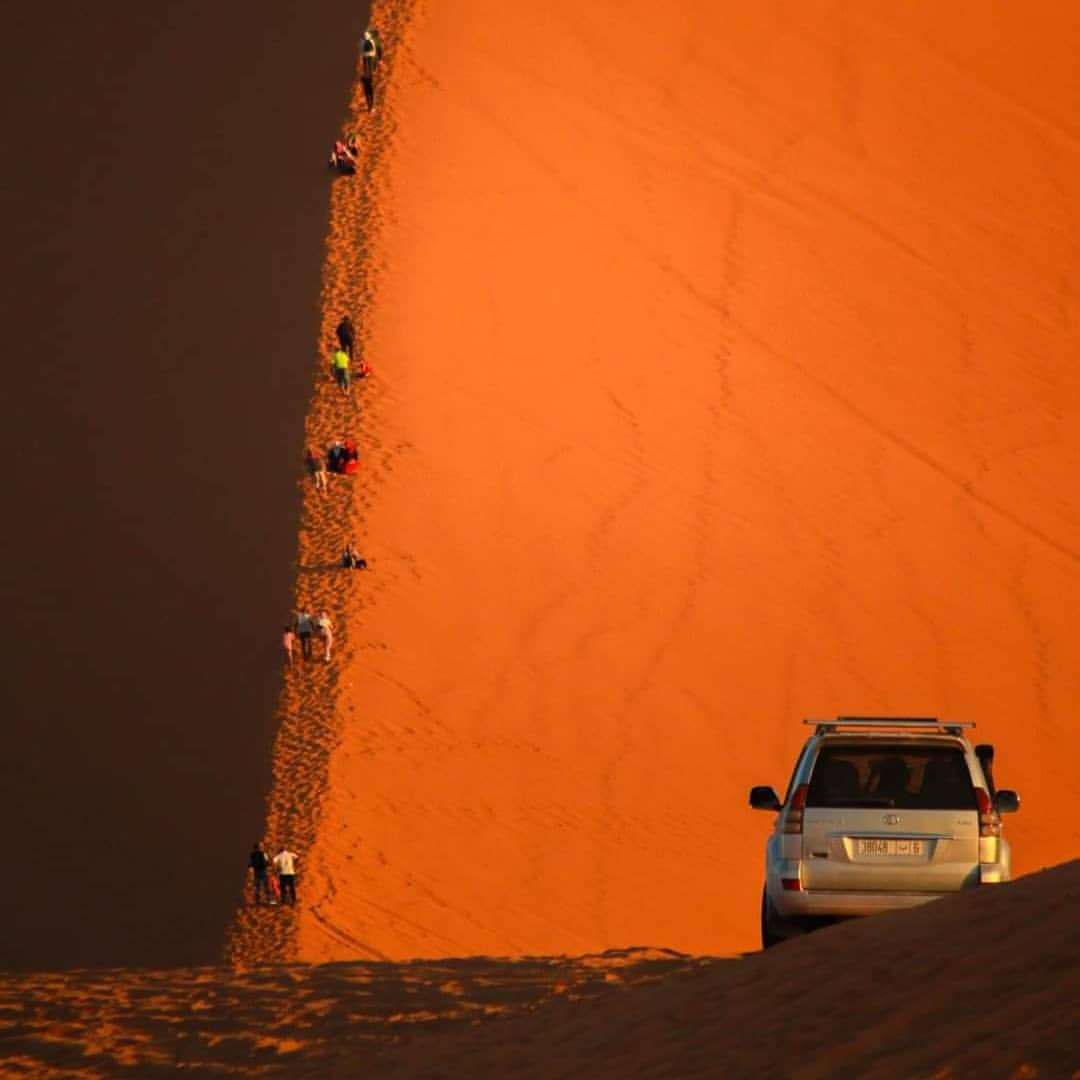
Arriving in Merzouga by early-to-mid afternoon means you have time before the camel trek. Use it: visit the dune base, take an ATV out across the flat desert, or simply sit and acclimatize to the scale of the landscape. Erg Chebbi’s dunes — the tallest in Morocco at up to 150 meters — are visible from 20km away and don’t stop being impressive at close range.
Sunset camel trek. The camels assemble at the edge of the dunes at 5 PM. The trek into the desert takes 45–60 minutes each way. Your desert camp sits behind the first high ridge — invisible from the road, completely silent at night. Dinner under the open sky, Berber drums around the fire, and a sky that — without any light pollution from horizon to horizon — shows you more stars than most people have seen in their entire lives combined.
Overnight: Desert camp at Erg Chebbi, Merzouga (Night 1 of 2)
Day 7: Merzouga — Full Desert Day
The most important reason to choose 10 days over 7. You stay a second night in the Sahara.
Sunrise from the dunes before 6 AM. The sky turns violet, then coral, then gold. The desert is completely silent. This is what people mean when they say the Sahara changes you.
Breakfast. Then the full 4×4 desert excursion:
Khamlia village: The Gnawa community here — descendants of West African slaves brought by trans-Saharan caravans — have maintained their trance-music tradition for 400 years. Their performances are hypnotic and moving. Our guide to Gnawa music in Morocco gives the cultural context before you arrive.
Nomadic family visit: A genuine encounter in a desert tent — mint tea, handmade silver and leather work, conversation through your guide. Not staged for tourism. This is how some Berber families still choose to live.
Rissani souk: Open Sunday, Tuesday, and Thursday only. Dates, spices, silver jewelry, livestock. One of the most authentic weekly markets in southern Morocco — completely free of tourist pricing because most tour itineraries don’t coordinate the timing.
The Flamingo Lake (Dayet Srji): In spring and after rainfall, this seasonal lake near Merzouga fills with pink flamingos. Flamingos. In the Sahara. Most tour guides have never mentioned it to their clients.
Afternoon: sandboarding the dune face, quad biking (€50/hour, bookable on-site), or a second sunset on the dunes with a glass of tea. The camp provides cold drinks and hookah if that’s your pace.
Our Things to Do in Morocco’s Sahara Desert guide covers every available desert activity in and around Merzouga in full detail.
Overnight: Desert camp or guesthouse in Merzouga (Night 2)
Day 8: Merzouga → Ziz Valley → Ifrane → Fes (~7–8 hours)
The long drive north. But the Fes-Merzouga road is one of Morocco’s most rewarding drives — and it’s entirely different from the Marrakech corridor you came in on.
The Ziz Valley heading north feels different at this speed: you’re climbing out of the desert, watching the landscape shift from sand to rock to scrub to green. The panoramic viewpoint above Errachidia shows the full scope of the oasis — an ocean of palm trees, 50km long.
Lunch in Midelt (the Apple Capital, between Middle and High Atlas — the harira is reliably excellent). Then the Azrou Cedar Forest: Barbary macaques in the trees, ancient cedar trunks, the smell of resin and pine after three days of desert dust.
Ifrane in the late afternoon is a mild surreal jolt — Swiss-style chalets, manicured parks, mountain air — before the final descent into Fes.
Fes arrives at dusk. The medina walls are golden in the last light. You’ll be too tired to explore tonight. That’s fine. Tomorrow is the Fes day.
Overnight: Riad in Fes medina
Day 9: Fes Medina Deep Dive + Chefchaouen
Morning — guided Fes medina tour (3–4 hours):
The Fes medina has over 9,500 streets and alleys. Many are narrower than your shoulders. GPS fails regularly inside the walls. A licensed local guide is not optional for a first-time visitor — it is the difference between actually understanding what you’re looking at and wandering confused. Budget €20–25. The return is enormous.
Essential stops: Chouara Tanneries (the medieval leather-dyeing vats — best viewed from the terraces above in morning light, when the dye pots glow), Al Qarawiyyin University (founded 859 AD — the world’s oldest continuously operating university, a fact that Fes residents mention with quiet pride and should be understood before you arrive), Attarine Madrasa (Islamic geometric tilework at its most extraordinary), and the Nejjarine Fountain square.
Afternoon drive to Chefchaouen (~2.5 hours through the Rif Mountains):
Arrive early evening when the blue lanes fill with warm lamplight and the day-trippers have left. Walk the Plaza Uta el-Hammam at dusk — the kasbah, the cafe terraces, the blue-and-white medina walls glowing in the evening. This is the Chefchaouen most Instagram photos don’t actually show, because it requires being there at the right hour.
Overnight: Guesthouse or riad in Chefchaouen
Day 10: Chefchaouen Morning → Meknes & Volubilis → Return to Marrakech (or End in Fes)
Chefchaouen at sunrise is the photographer’s secret that most travelers discover too late. Before 8 AM, the blue lanes are empty, the morning light is soft and horizontal, and the mountains behind the town are clear. The climb to the Spanish Mosque above town — 20 minutes uphill — gives you the iconic rooftop view. Go before breakfast.
The drive south takes you through the Rif Mountains back toward Meknes. A detour to Volubilis (30 minutes from Meknes) is the best-preserved Roman ruins in North Africa — 3rd-century mosaics still vivid, triumphal arch still standing, the silence of a city abandoned 12 centuries ago. Allow 60–90 minutes.
Meknes itself — one of Morocco’s four imperial cities, consistently overlooked in favor of Fes and Marrakech — is worth 45 minutes for the Bab Mansour gate alone: the most extravagant piece of Islamic monumental architecture in Morocco, framing a perfect square with tile, carved stone, and imperial ambition.
From Meknes: either continue south to Marrakech (~5 hours via the expressway) or end the tour in Fes if your flight departs from there.
Overnight: Marrakech riad (if returning) or departure from Fes/Casablanca
Optional Day 11: Essaouira — The Atlantic Reset
If your schedule allows a day’s extension, Essaouira is 2.5 hours west of Marrakech on the Atlantic coast — and it resets everything after 10 days of desert, medinas, and mountains.
The Atlantic wind is constant and cool. The walled medina is painted white and blue like a seaside town should be. Fresh grilled sardines on the harbor for €4. Gnawa musicians playing in the square as kites drift overhead. The sea is bright and green and cold and wonderful.
After 10 days of landlocked Morocco, the coast feels like a revelation. Many travelers call it their favorite day of the trip.
Our Ouzoud Waterfalls guide and Morocco birding tours page also cover the Atlantic coast ecosystem for travelers interested in wildlife and photography.
Pricing: 10-Day Sahara Tour from Marrakech
| Group Size | Standard Private | Mid-Range Private | Luxury Private |
|---|---|---|---|
| 2 people | €580–€720/pp | €780–€980/pp | €1,100–€1,500/pp |
| 4 people | €420–€560/pp | €580–€750/pp | €820–€1,100/pp |
| 6 people | €350–€480/pp | €480–€640/pp | €700–€950/pp |
| 8+ people | €280–€400/pp | €400–€560/pp | €620–€850/pp |
Honest Budget Breakdown Per Day
This is the number most 10-day Morocco guides avoid. Here is the reality:
| Expense | Budget | Mid-Range | Luxury |
|---|---|---|---|
| Accommodation | €30–50/night | €70–120/night | €150–300/night |
| Lunch | €8–12 | €12–20 | €20–40 |
| Entry fees (avg/day) | €5–8 | €5–8 | €5–8 |
| Tips (driver/guide) | €10/day | €12/day | €15/day |
| Personal spending | €10–20 | €20–40 | €40–100+ |
| Daily total (excl. tour) | €63–90 | €119–200 | €230–463 |
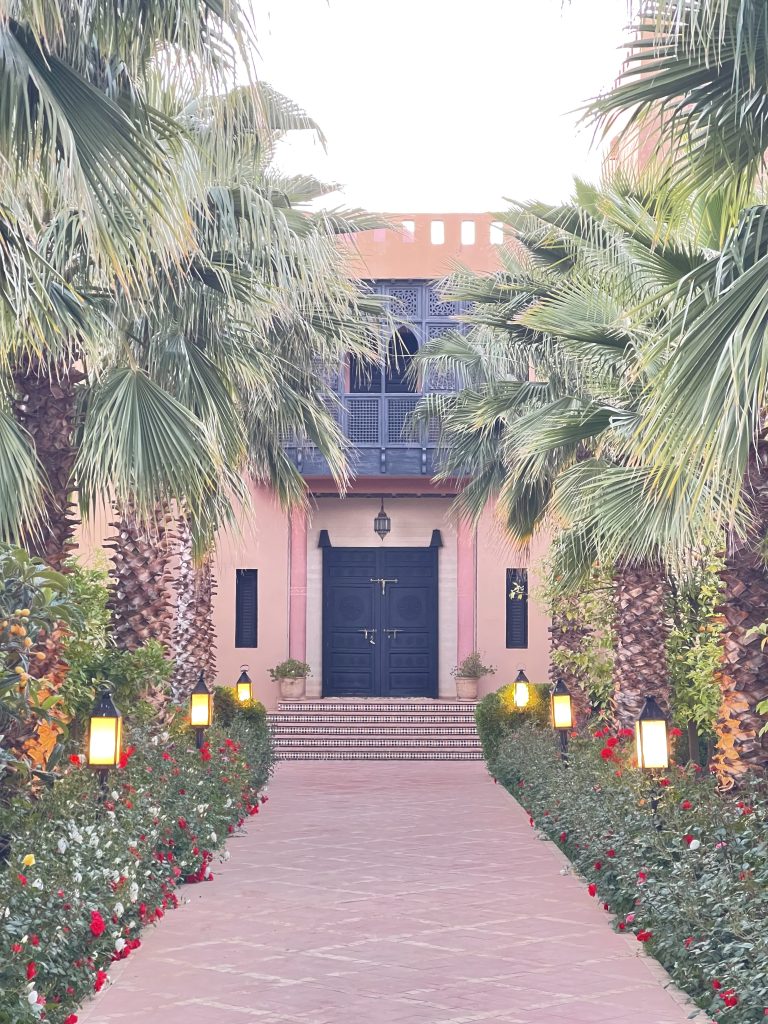
The biggest single variable is accommodation. The difference between a 3-star riad and a 5-star boutique riad in Morocco’s medinas is genuinely remarkable — craftsmanship, courtyard design, breakfast quality, and personal service. If you can splurge on one thing, splurge on where you sleep.
Best Time for the 10-Day Sahara Tour from Marrakech
| Season | Overall | Notes |
|---|---|---|
| Spring (Mar–May) | ⭐⭐⭐⭐⭐ | Rose Festival in May, green Atlas, Flamingo Lake active, perfect temperatures |
| Autumn (Sep–Nov) | ⭐⭐⭐⭐⭐ | Dry and clear after summer, ideal throughout the full circuit |
| Summer (Jun–Aug) | ⭐⭐ | Merzouga reaches 45°C midday — manageable with very early desert starts |
| Winter (Dec–Feb) | ⭐⭐⭐ | Chefchaouen may snow (magical), desert nights 3–8°C, Tichka may close |
For winter travelers, our dedicated travel to Morocco in January guide covers what changes, what doesn’t, and how to pack for four climate zones in one trip.
Included :
* Transportation both with A/C and Fuel
* Accommodation
* Service of pickup and drop-off
* Breakfast and dinner
*English/Spanish/ french speaking driver
* Medina's official guide
* Camel trip and overnight in the Desert Camp(per Person)
Excluded :
*Monument admission costs.
* Lunches and beverages
Tour's Map
Private vs. Shared: Which Works for 10 Days?
For a 10-day tour, private is almost always the right choice — even for solo travelers who want flexibility.
The practical reason: 10 days is a long time to be locked into a shared group’s pace, preferences, and meal timing. Private means you stop longer at the Amridil Kasbah if it captivates you, skip Erfoud if fossils don’t interest you, and spend an extra hour at Volubilis because the mosaics are extraordinary and your group wants to stay.
For two or more people, the price difference between shared and private narrows significantly. For four or more people, private is often the same price or cheaper per person than shared.
Our Morocco private tours and custom Morocco tours pages explain the options in full.
FAQ: 10-Day Sahara Tour from Marrakech
Q: Is 10 days too long for a first Morocco trip? No — it’s the ideal length. Seven days feels rushed when you’re done. Fourteen days is genuinely leisurely. Ten days hits the sweet spot: you cover everything important, each place gets proper time, and you arrive home tired but not depleted.
Q: Can I fly into Marrakech and out of a different city? Yes, and we recommend it. Flying Marrakech in / Fes out (or Marrakech in / Casablanca out) eliminates the long Day 10 return drive and gives you more flexibility on the final day. We build open-jaw itineraries routinely — just tell us your flight details when booking.
Q: Is there a less-crowded alternative to Erg Chebbi for a 10-day tour? Yes — Erg Chigaga, about 50km west of M’Hamid, is Morocco’s more remote and less-visited dune sea. It requires a longer drive from Marrakech (8–9 hours vs. 6) and 4×4-only access, but it has no road-visible camps, virtually no other tourists, and a silence even deeper than Erg Chebbi. For travelers who prioritize authenticity over accessibility, it’s worth considering on a 10-day tour that has the time. Ask us about incorporating it.
Q: Are the Ouzoud Waterfalls really worth a full day? Yes — consistently. Every traveler who does the Ouzoud day rates it among their top three days of the trip, including those who initially questioned whether it was worth the detour. The falls are 110 meters high, the canyon walk is beautiful, and the macaques are genuinely entertaining. It’s also a gentle buffer day between city chaos and desert driving.
Q: What’s the best accommodation upgrade on this route? The desert camp luxury upgrade is the one most travelers don’t regret. The difference between a standard tent (shared bathroom, basic bedding) and a luxury tent (private ensuite bathroom, proper bed, quality linen) is most felt at 3 AM when you need the bathroom. Upgrade the camp. Everything else is negotiable.
Q: Can this tour be done by families with children? Yes. The 10-day format actually works better for families than shorter tours because there’s no rushed driving. Children love the camel trek, the macaques, and the desert camp. For detailed family-specific advice on pacing, accommodation, and activities, see our family vacation in Morocco and Sahara desert tour with kids guides.
Not sure 10 days is right for you? Compare the full range of our Marrakech-based tours:
- Shorter: 5 Days Desert Tour from Marrakech — the essential desert circuit without the northern cities
- This tour: 10 Days Sahara Tour from Marrakech — the complete Morocco experience
- Longer: 12 Days Morocco Adventure Tour — adds Tangier and the full northern circuit
- The full country: Complete Morocco Travel Itinerary 2026 — everything Morocco has to offer, properly mapped
Contact Us
Get In Touch
Talk To Us
moroccoservicetours@gmail.com
PHONE NUMBER
Tél:0661503108- 0662496367
ADDRESS
LOT Merzouga N311,
Arfoud, 52200