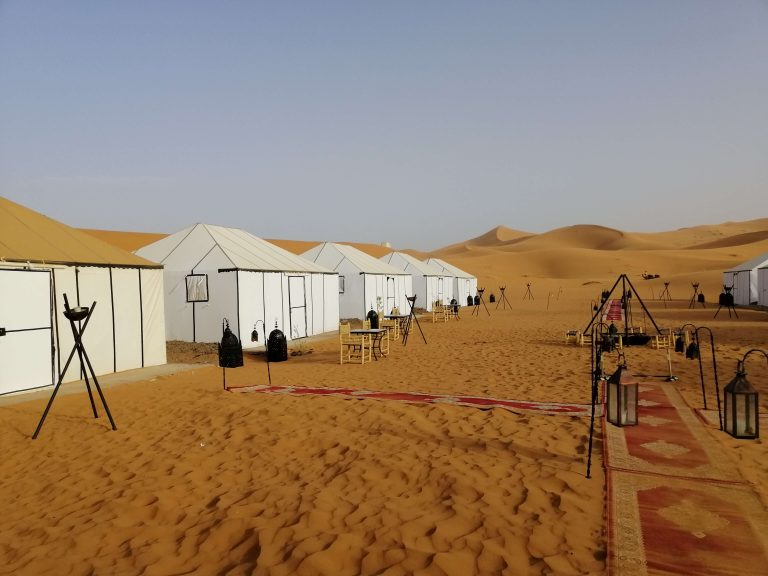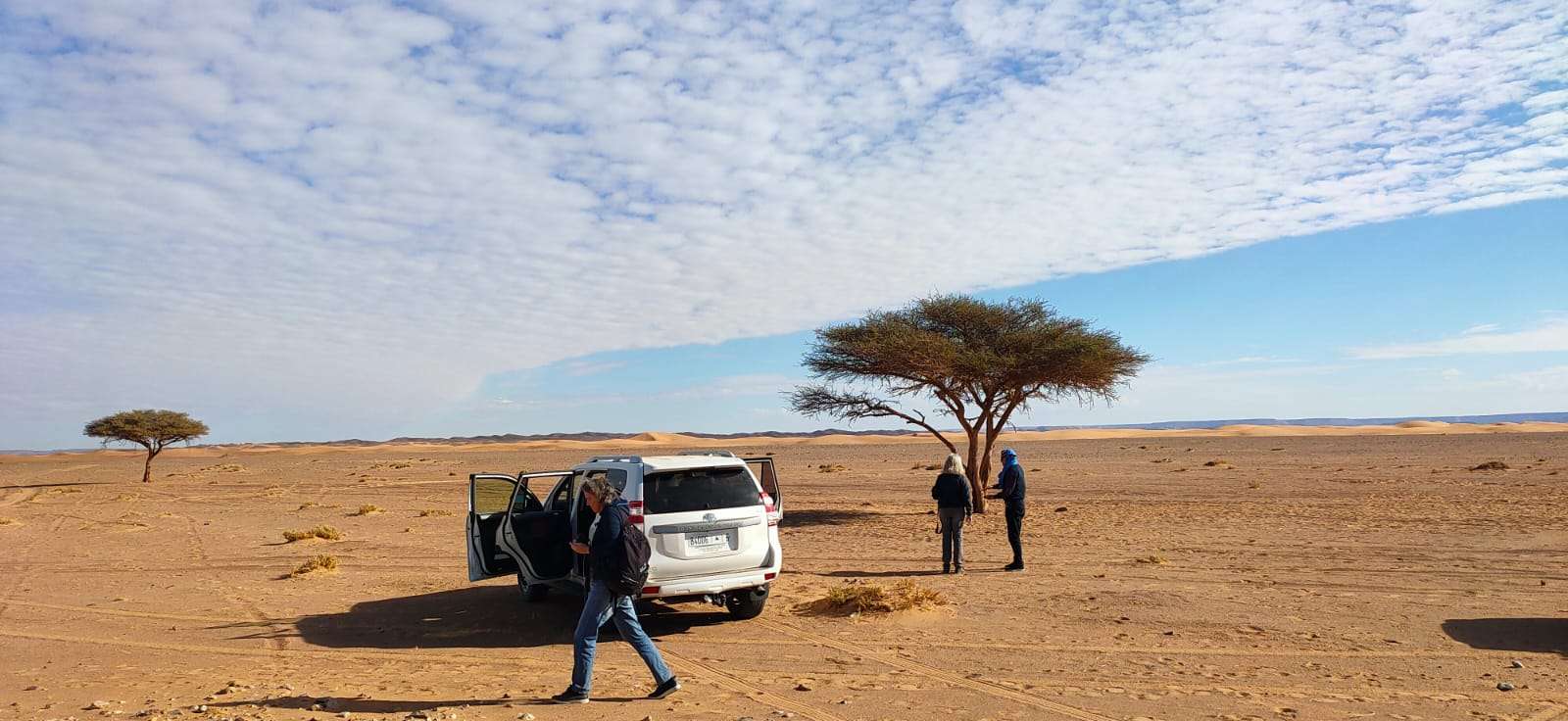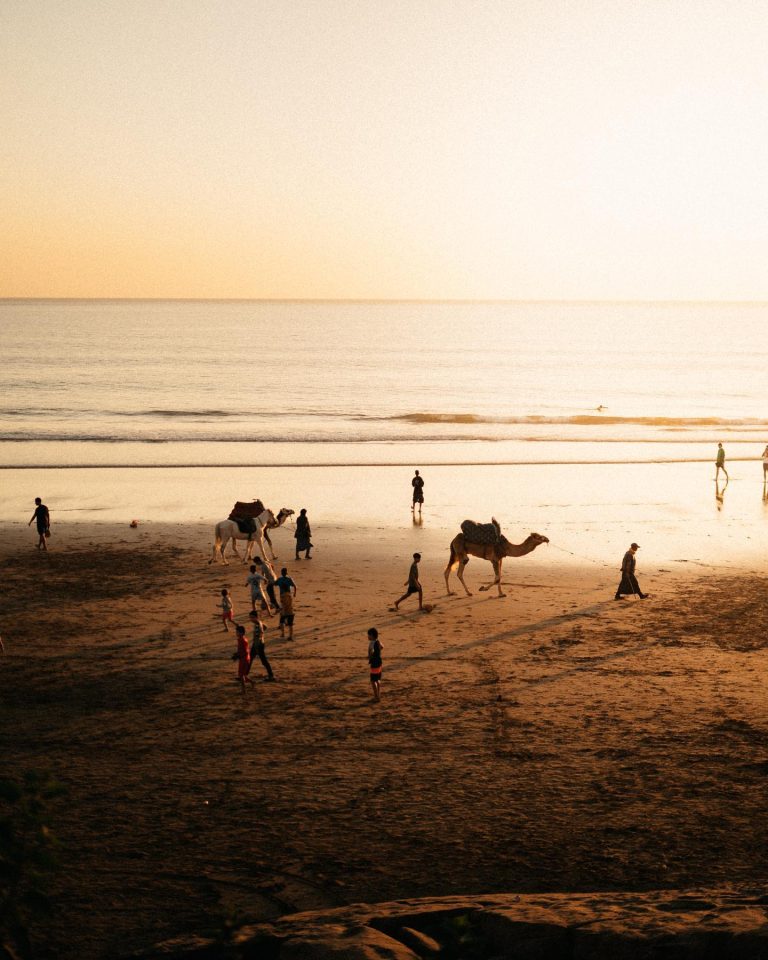
Introduction to Traveling in Morocco During Ramadan
Morocco Ramadan 2026 is one of the most transformative — and most misunderstood — travel experiences on the planet. Visitors who time their trip right discover a country operating on a completely different rhythm: hushed medinas by day, explosive communal energy after sunset, and a spiritual intensity that no guidebook fully captures.
Far from being a travel obstacle, Ramadan reveals Morocco’s soul. Understanding what to expect, however, separates an uncomfortable trip from an unforgettable one. As our complete Morocco travel guide notes, Ramadan demands thoughtful planning above all else.
Before diving into logistics, it helps to grasp why this month transforms the country so profoundly.
Understanding Ramadan and Its Cultural Significance
To Travel Morocco Ramadan season meaningfully, grasping what Ramadan actually represents is essential. Ramadan is Islam’s holiest month — a 29 to 30-day period of fasting, prayer, and communal reflection observed by Morocco’s predominantly Muslim population. Fasting runs from pre-dawn Fajr to sunset Maghrib, a discipline practiced by roughly 99% of Moroccan Muslims.
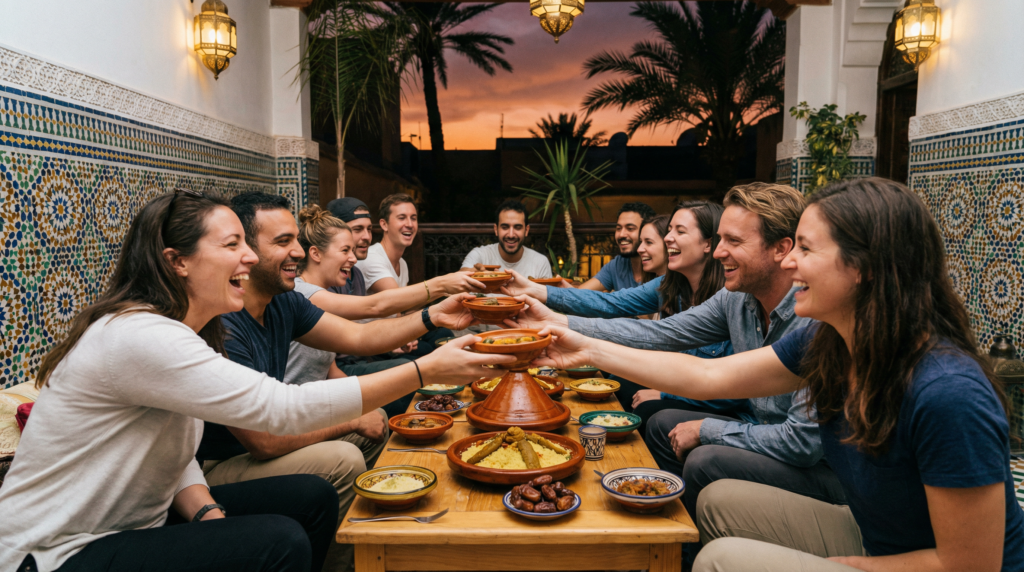
What distinguishes Morocco’s observance is its deeply communal texture. Streets quiet dramatically during daylight, then erupt at Iftar — the sunset meal breaking the fast — with families gathering over harira soup and traditional sweets. This rhythmic daily cycle reshapes the entire social and commercial landscape around you.
Ramadan reframes hospitality itself — generosity intensifies, strangers share food, and travelers who respect local customs are welcomed with remarkable warmth. Understanding this rhythm is your first step toward making every practical adjustment work in your favor.
Travel Adjustments During Ramadan
Navigating Ramadan in Morocco requires a few practical recalibrations — but none so demanding that they should deter a well-prepared traveler. What typically happens is a significant shift in daily rhythms: government offices, banks, and many shops operate on reduced hours, often closing earlier in the afternoon and reopening after iftar.
A common pattern is quieter mornings giving way to extraordinary late-night energy. Souks and medinas come alive well past midnight, offering a completely different travel cadence than any other time of year. Embrace the shift rather than resist it.
Key adjustments to plan for:
- Dress modestly at all times — this matters more during Ramadan
- Avoid eating, drinking, or smoking in public during daylight hours out of respect
- Expect traffic surges roughly 30–45 minutes before iftar as locals rush home
For travelers building a longer itinerary through Morocco, factoring these schedule shifts into daily planning prevents unnecessary frustration. According to Naturally Morocco, transportation and tour availability can fluctuate significantly — booking in advance is strongly recommended.
The silver lining? Those quiet afternoon lulls are ideal for exploring museums and historic sites with noticeably thinner crowds. The real magic, of course, unfolds at the iftar table — which is exactly where your dining experience deserves a closer look.
Dining and Food Options: What to Expect
Visiting Morocco during Ramadan transforms the culinary landscape in ways that genuinely reward the curious traveler. During daylight hours, many local eateries — particularly medina stalls and family-run cafés — close entirely. However, restaurants open Ramadan Morocco, riads, and hotel dining rooms typically remain open, especially in Marrakech, Fes, and Agadir.
The real magic unfolds at Iftar. As the call to prayer signals sunset, the entire country erupts in communal celebration. Streets fill with harira soup, dates, and chebakia — a sensory experience unlike anything the country offers during other months. Join iftar Morocco tourist, even as a guest, is genuinely unforgettable.
One practical note: supermarkets and convenience stores generally remain operational throughout the day, ensuring non-fasting travelers can discreetly source snacks and water. Understanding this dining rhythm is one thing — knowing how to behave while others fast is another matter entirely.
Navigating Social Etiquette and Respectful Behavior
Ramadan reshapes Morocco’s social fabric in profound ways, and a few well-observed customs make the difference between being a welcome guest and an inadvertent source of friction. Dress modestly — covering shoulders and knees — is non-negotiable, particularly outside tourist centers. Avoid eating, drinking, or smoking in public during daylight hours; this single gesture earns immediate goodwill from locals observing the fast.
The most transformative etiquette moment is iftar Morocco — the sunset meal breaking the fast. If invited to share Iftar with a local family, accept without hesitation. It’s one of travel’s genuinely unrepeatable experiences. Travelers planning independent itineraries should build flexibility around Iftar timing, as streets momentarily empty and then erupt in celebration. Speak quietly, move unhurriedly, and let Morocco’s remarkable Ramadan rhythm set the pace — your safety and comfort will follow naturally.
Safety Considerations for Visiting Morocco
Morocco remains one of North Africa’s safest destinations for international travelers, and Ramadan doesn’t change that fundamental reality — it actually deepens community cohesion in ways that benefit visitors. That said, a few practical awareness points help you move through the country confidently.
Fatigue and altered rhythms are the most underappreciated safety factor. Locals staying up for the pre-dawn suhoor meal and sleeping later means some neighborhoods are quieter in the morning but more animated — and occasionally more crowded — late at night. Plan accordingly and stay aware of Marrakech’s shifting schedule during Iftar hours when medina streets become especially dense.
Publicly eating or drinking during daylight hours is less a legal risk than a social one — it simply draws uncomfortable attention. Dressing modestly outside tourist zones further reduces friction and signals genuine respect for the observance.
Ramadan’s communal spirit typically makes Morocco feel safer, not less safe — neighbors look out for one another, and that awareness extends to respectful guests.
How all these considerations play out in real travel situations becomes clearer through concrete examples.
Example Scenarios: Experiencing Ramadan in Morocco
Picture arriving in Marrakech’s medina as sunset approaches. Stalls that seemed quiet all afternoon suddenly burst with activity — vendors arrange harira, chebakia, and dates for iftar. Locals rush home, and within minutes, an almost electric stillness falls over the streets. Then comes the call to prayer, and the city exhales together.
Later that evening, mosques overflow for taraweeh prayers, their illuminated minarets casting warm light across narrow alleyways. Cafés and restaurants reopen, and the medina transforms into a genuine night markets Morocco. For travelers planning family-friendly itineraries through Morocco, this nightly ritual is genuinely unmissable.
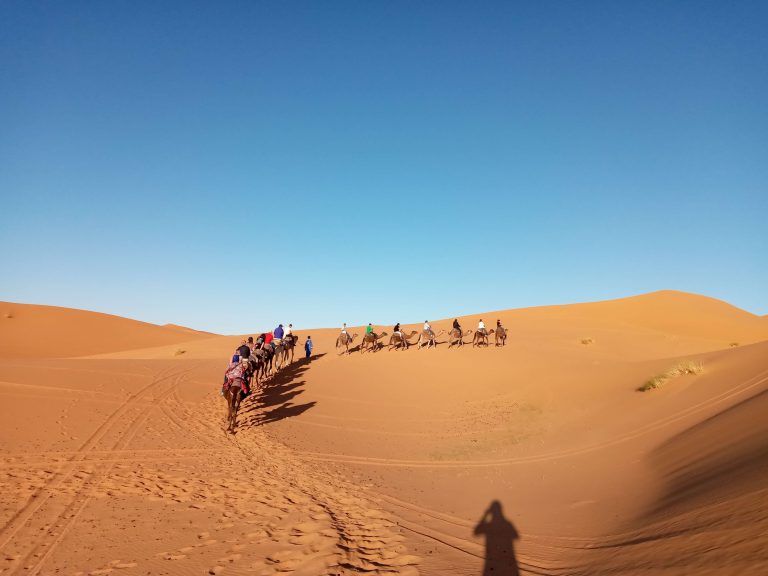
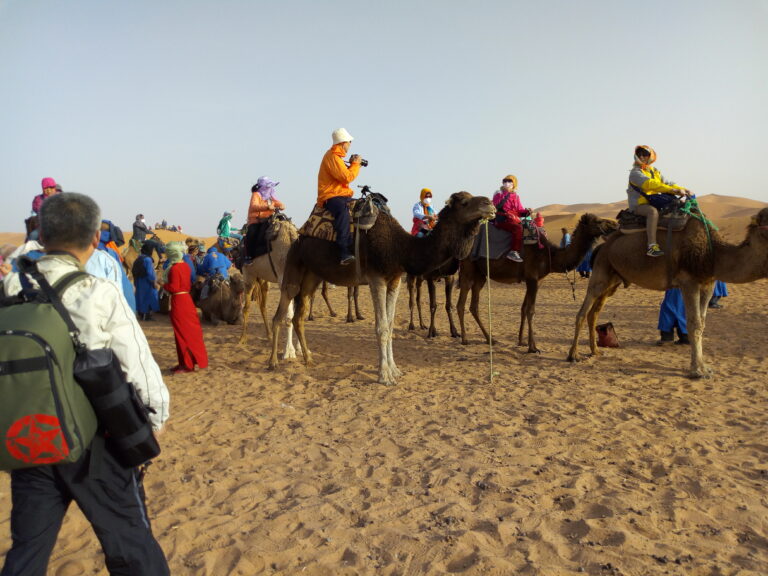
In practice, daytime touring runs smoothly — museums, historic sites, and even desert excursions from Marrakech operate normally, though with adjusted rhythms. What typically happens is that patient, observant travelers gain richer cultural access than they would outside Ramadan. However, those expecting standard restaurant hours will need to recalibrate expectations — and that recalibration is entirely worth it.
Ramadan’s true gift to travelers is unscripted human connection — the kind that polished itineraries rarely deliver. Still, misconceptions about what Ramadan travel actually restricts keep many visitors away unnecessarily.
Common Misconceptions About Traveling During Ramadan
Many travelers talk themselves out of visiting Morocco during Ramadan based on assumptions that simply don’t hold up. The most persistent myth is that tourists will go hungry — in practice, restaurants in tourist areas, riads, and hotels maintain regular service throughout the day. Non-Muslim visitors are never obligated to fast.
Another common misconception is that Morocco “shuts down” during Ramadan. The reality is the opposite. Night markets Morocco travelers rave about come alive after iftar, with souks buzzing well past midnight and cultural energy at its peak. The best places to explore — Fes, Marrakech, Chefchaouen — actually offer richer experiences during this period.
Ramadan doesn’t close Morocco to visitors — it opens a version of the country that most tourists never witness.
Understanding this shifts the entire travel calculus, setting the stage for genuinely actionable recommendations on maximizing your 2026 trip.
Recommendations: Making the Most of Your Trip
Knowing what to expect is one thing — translating that knowledge into smart daily decisions is another. A common question travelers ask is: are there restaurants open during Ramadan in Morocco? The short answer is yes, particularly in tourist areas, riads, and hotel dining rooms. However, availability narrows significantly during daylight hours, so planning meals around Iftar timing is the most reliable strategy.
A few practical recommendations that experienced Morocco travelers consistently apply:
- Book accommodations with breakfast included — many riads quietly serve guests indoors during the day
- Carry snacks and water for longer excursions, especially in less touristy regions
- Embrace the Iftar rhythm — position yourself near a medina square before sunset to witness the communal meal firsthand
- Dress modestly throughout your visit — respecting local customs matters year-round but carries extra weight during Ramadan
Ramadan rewards patience above all else. Travelers who adapt their schedule rather than resist the cultural context consistently report richer, more memorable experiences. The coming key takeaways will help consolidate these insights into an actionable checklist for 2026.
Key Morocco Ramadan Takeaways
Ramadan 2026 distills into a handful of principles that separate travelers who thrive from those who struggle. Eating in public during Ramadan in Morocco requires straightforward discretion — use designated tourist restaurants or your accommodation, and avoid conspicuous snacking in medinas and souks. Beyond that, a few core patterns define a successful trip:
- Plan around Iftar — evenings unlock Morocco’s most authentic social energy
- Expect adjusted hours — confirm opening times daily
- Lead with respect — modest dress and cultural sensitivity open doors
When these principles guide your decisions, what initially feels like a constraint becomes a genuinely richer travel experience.
Morocco During Ramadan — Should I Be Worried?
Short answer: no. The worry is largely misplaced. Morocco remains one of the most tourist-welcoming countries during Ramadan, and the cultural atmosphere adds depth that a standard visit simply can’t replicate.
What actually matters is mindset. Travelers who approach Ramadan with curiosity rather than anxiety consistently report richer experiences. The single most transformative move? Join iftar Morocco tourist tables when invited — locals genuinely welcome outsiders to share the breaking-of-fast meal, turning a simple dinner into an unforgettable cultural exchange.
In practice, minor inconveniences like adjusted business hours are easily navigated with light advance planning. Authentic Morocco reveals itself most honestly during Ramadan — the medinas pulse with evening energy, hospitality deepens, and connections form faster. The discomfort travelers fear rarely materializes; the memories they gain absolutely do.
Is It OK to Travel to Marrakesh During Ramadan?
The short answer that seasoned travelers consistently land on: absolutely yes. Marrakesh during Ramadan carries a distinct energy that’s genuinely hard to replicate at any other time of year.
What typically happens in Marrakesh during Ramadan:
- The Djemaa el-Fna square transforms dramatically after sunset — storytellers, musicians, and food stalls surge with local participation
- Riads and hotels maintain full service for international guests
- Souk trading continues, often with extended evening hours post-Iftar
One practical pattern worth noting — mornings feel noticeably quieter, which actually benefits visitors exploring medinas before midday heat intensifies. On the other hand, afternoons can feel slower as locals conserve energy before breaking the fast.
The authentic atmosphere is the real differentiator. Witnessing collective Iftar — thousands breaking fast simultaneously across the city — is the kind of unrepeatable cultural moment that no standard travel itinerary manufactures.
For first-time visitors specifically, Marrakesh’s well-developed tourism infrastructure means Ramadan adjustments require minimal effort. The city’s experience with international travelers ensures restaurants, guides, and accommodations remain reliably accessible throughout.
What Should First-Time Visitors Know Before Traveling to Morocco During Ramadan?
Beyond the general atmosphere already covered, a few practical fundamentals separate a smooth Ramadan trip from a frustrating one. Timing awareness is everything. Iftar — the sunset meal breaking the fast — effectively pauses the city. Taxis disappear, shopkeepers close mid-transaction, and streets briefly empty. Plan accordingly by being near your accommodation around that window.
Key realities for first-timers:
- Carry water and snacks discreetly — eating publicly draws unnecessary attention
- ATMs and banks may have reduced hours mid-afternoon
- Dress conservatively throughout, not just at religious sites
Culturally, modest behavior earns genuine warmth in return. Morocco’s Ramadan isn’t restrictive for visitors — it’s simply different. What you encounter on the ground, though, tells that story far more vividly than any checklist.
What’s It Like Travelling in Morocco During Ramadan?
The atmosphere is unlike any other travel experience in North Africa. By day, the medinas run quieter — fewer vendors calling out, a slower pace that actually makes navigating souks far less overwhelming. Then, as sunset approaches, something remarkable shifts. Streets that seemed subdued suddenly pulse with anticipation. Families gather, lanterns glow, and the call to prayer signals Iftar — the collective breaking of the fast that transforms every neighborhood into a living, breathing communal table.
For travelers, this rhythm creates a genuinely authentic window into Moroccan culture that peak tourist seasons simply can’t replicate.
What Is It Like to Visit Morocco During Ramadan?
Visiting Morocco during Ramadan delivers something genuinely rare — a country operating on a different rhythm entirely. The spiritual intensity is palpable. Streets that normally buzz with commerce take on a contemplative stillness by afternoon, then erupt into joyful, communal energy the moment the Adhan signals Iftar.
What typically happens is a complete inversion of the usual tourist experience. Days run slower and quieter; nights become the true heartbeat of Moroccan life. Families fill outdoor terraces, music drifts through medina alleyways, and the generosity extended to visitors is genuinely moving.
Ramadan in Morocco isn’t a limitation — it’s an unrepeatable lens through which to understand the culture at its most authentic. For travelers willing to adapt their expectations, it ranks among the most rewarding ways to experience the country.
What Is the Best Travel Guide for Morocco?
After absorbing everything covered above — the Ramadan rhythms, iftar etiquette, and regional nuances — having a reliable, curated resource pulls it all together. The best guide combines on-the-ground expertise with cultural sensitivity, particularly for a visit during Ramadan 2026.
In practice, the most effective Morocco travel guides offer real-time itinerary flexibility, local knowledge on prayer schedules, and honest advice about what’s open when. A strong guide doesn’t just list attractions — it contextualizes why timing, dress, and behavior matter here more than almost anywhere else.
What separates quality guidance from generic advice:
- Ramadan-specific logistics (restaurant hours, medina access)
- Culturally informed recommendations, not just tourist highlights
- Trustworthy operator connections for guided experiences
The next logical question most travelers arrive at — especially first-timers approaching Morocco during this spiritually charged season — concerns personal safety and security, which deserves its own careful, evidence-based examination.
What Is the Current Safety Situation for Tourists Traveling to Morocco During Ramadan?
Morocco consistently ranks among Africa’s safest destinations for international tourists, and Ramadan actually reinforces that reputation rather than undermining it. The spiritual atmosphere during the holy month tends to reduce petty crime, as communities turn inward toward reflection and generosity.
In practice, the main safety considerations during Ramadan are situational rather than serious — navigating crowded medinas at iftar time, understanding that locals may be tired and less patient near the end of fasting hours, and avoiding areas where large crowds gather suddenly at sunset. Standard urban awareness applies.
One practical caveat: dehydration risk increases for tourists who underestimate Ramadan’s heat combined with limited daytime café access. Carry water discreetly and plan rest periods accordingly.
The most significant “danger” in Morocco during Ramadan is cultural missteps — not physical risk — making respectful preparation your most valuable safety tool.
That said, knowing what behaviors to avoid entirely will sharpen your Ramadan experience considerably — which leads directly to the critical do’s and don’ts every visitor should internalize before arrival.
What Should Someone Avoid Completely When Visiting Morocco During Ramadan?
Visiting Morocco during Ramadan 2026 is genuinely rewarding — but a few missteps can strain relationships with locals and diminish your experience.
Avoid these completely:
- Eating public Ramadan Morocco during daylight hours — this is the single most important rule
- Dismissing Ramadan logistics plan around reduced hours rather than fighting them
- Rushing iftar gatherings the post-sunset meal is sacred social time, not an inconvenience
- Dressing immodestly, particularly near mosques during prayer times
Traveling during Ramadan rewards those who respect its rhythms. Preparation, cultural sensitivity, and genuine curiosity transform potential inconveniences into unforgettable encounters with Morocco’s living traditions.
Last updated: April 2026 — Morocco Service Tours
Why Choose Morocco Service Tours
When planning your khamlia or Merzouga adventure, partnering with experienced operators makes all the difference.
Our Advantages:
- Local guides born in desert communities
- Flexible itineraries tailored to your interests
- Transparent pricing with no hidden fees
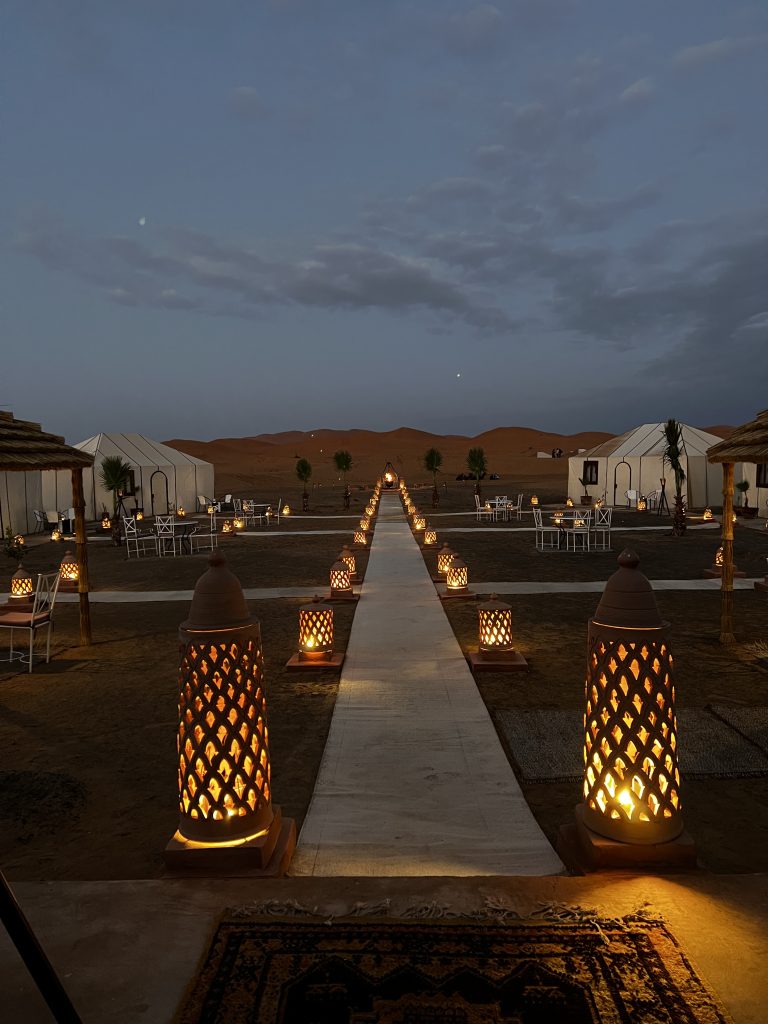
- Eco-friendly camps supporting local communities
- 24/7 support throughout your journey
We handle the complicated logistics, transportation, accommodation, permits, activities—so you focus on making memories. Whether you’re visiting Morocco for the first time or returning to explore deeper, we create journeys that exceed expectations.
Your Sahara Journey Awaits
Your decision between Khamlia village or Merzouga desert isn’t about right or wrong, it’s about matching method to your personality and priorities.
Ready to book? Contact our team for personalized recommendations matching your travel style, budget, and dates. We’ll help you design the perfect balance of independence and support for your unforgettable Sahara adventure.
Share your desert adventures with us on Pinterest or instagram and inspire fellow travelers!
Because the question isn’t really “Khamlia vs Merzouga”—it’s “How do I experience the Sahara in a way I’ll remember forever?” Let us show you.
Frequently Asked Questions About Khamlia Village
-
Is Khamlia Village safe to visit for solo travellers and families?
Yes. Khamlia is a small, welcoming village with very little tourist infrastructure, which means almost no hassle or pressure. Solo travellers and families report feeling comfortable and well-received. As with anywhere in Morocco, basic awareness of your surroundings is sensible, but Khamlia has no particular safety concerns.
-
How much should I budget for shopping in Khamlia?
You can have a genuinely satisfying shopping experience with a budget of 200–500 MAD (roughly £17–£43 or $20–$50). If you’re interested in larger textile pieces, jewellery, or a quality guembri, budget 1,000–3,000 MAD. There’s no pressure to spend heavily — many of the most meaningful purchases (a pair of kerkeba, an indigo scarf, a small amulet) cost very little.
-
Can I get to Khamlia without a guide?
Yes. A petit taxi from Merzouga is straightforward and inexpensive. However, visiting with a knowledgeable local guide — even informally — significantly enriches the experience. Guides can introduce you to specific artisan families, explain the cultural significance of what you’re seeing, and arrange Gnawa music sessions that are otherwise difficult to access as an independent traveller.
-
What’s the difference between buying souvenirs in Khamlia versus Merzouga town?
Merzouga has more shops and more choice, but also more tourist-grade goods and more pressure to buy. Khamlia has fewer vendors, but the items tend to be more locally produced, the atmosphere is calmer, and the cultural context is richer. For authentic Sahara souvenirs with real provenance, Khamlia consistently wins.
-
Is card payment accepted in Khamlia?
No. Khamlia is a cash-only village. The nearest ATMs are in Merzouga town. Withdraw enough cash before you visit, and carry small denominations (20 MAD and 50 MAD notes) to make transactions easy.
-
Can I book accommodation and desert camps when I arrive, or should I reserve in advance?

During high season (October-April, especially December-January), advance booking is essential—the best accommodations and camps fill up weeks ahead. In low season (May-September), you can find availability on arrival, but you’ll have limited choice and may not get your preferred options. For peace of mind and better rates, I recommend booking at least 2-4 weeks in advance, or working with a local agency who can secure quality options at fair pric
-
What’s the best time to visit Khamlia Village?
The best months to visit Khamlia are October through April, when daytime temperatures range from 20-28°C. March and October offer ideal conditions with fewer crowds. Summer (June-August) reaches 45°C+ and is extremely challenging, though some travelers appreciate the dramatic heat and solitude. Winter nights (December-February) can drop to 5°C, so bring warm layers. For time of day, visit mornings (9-11 AM) or late afternoons (4-6 PM) to avoid the midday tour bus rush and get more personal interactions with locals.