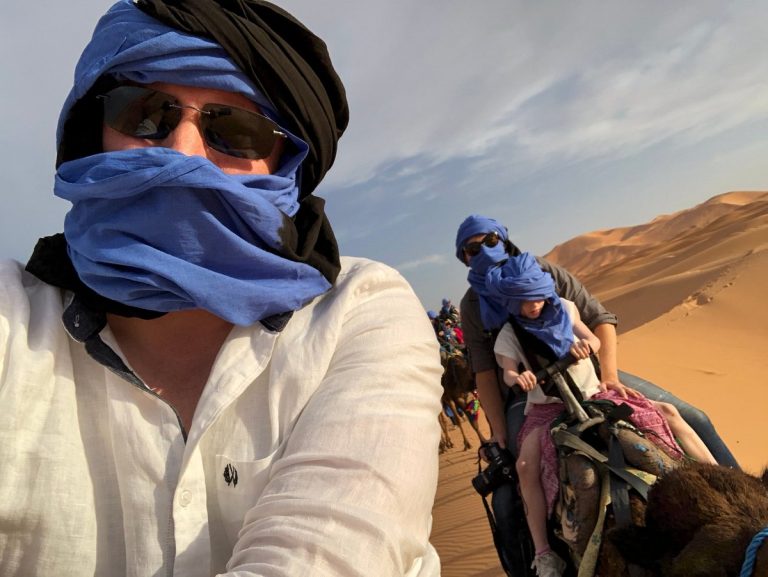
Khamlia vs Merzouga: Where to Stay for Your Sahara Desert Adventure
Your decision between Khamlia village or Merzouga desert isn’t about right or wrong, it’s about matching method to your personality and priorities.
This guide will settle the Khamlia vs Merzouga debate once and for all, helping you choose the perfect base for your desert experience. Whether you’re seeking authentic cultural immersion or convenient access to the dunes, we’ll share insider knowledge from fifteen years of guiding travelers through this magnificent region.
Quick Summary: Khamlia or Merzouga?
- Merzouga is the main gateway town with more accommodation options, restaurants, and direct dune access
- Khamlia is a small village 7km from Merzouga, known for authentic Gnawa music and a quieter, more cultural experience
- Best for families and convenience: Merzouga
- Best for cultural immersion: Khamlia
- Most travelers: Combine both locations in a well-planned itinerary
- Budget consideration: Khamlia tends to be slightly cheaper but with fewer options
Understanding the Geography: Two Villages, One Desert
Let us clear up the confusion first. When comparing Khamlia vs Merzouga, it’s important to understand that these are separate villages, but they’re both gateways to Erg Chebbi, the spectacular orange sand dunes that probably brought you to this corner of southeastern Morocco.
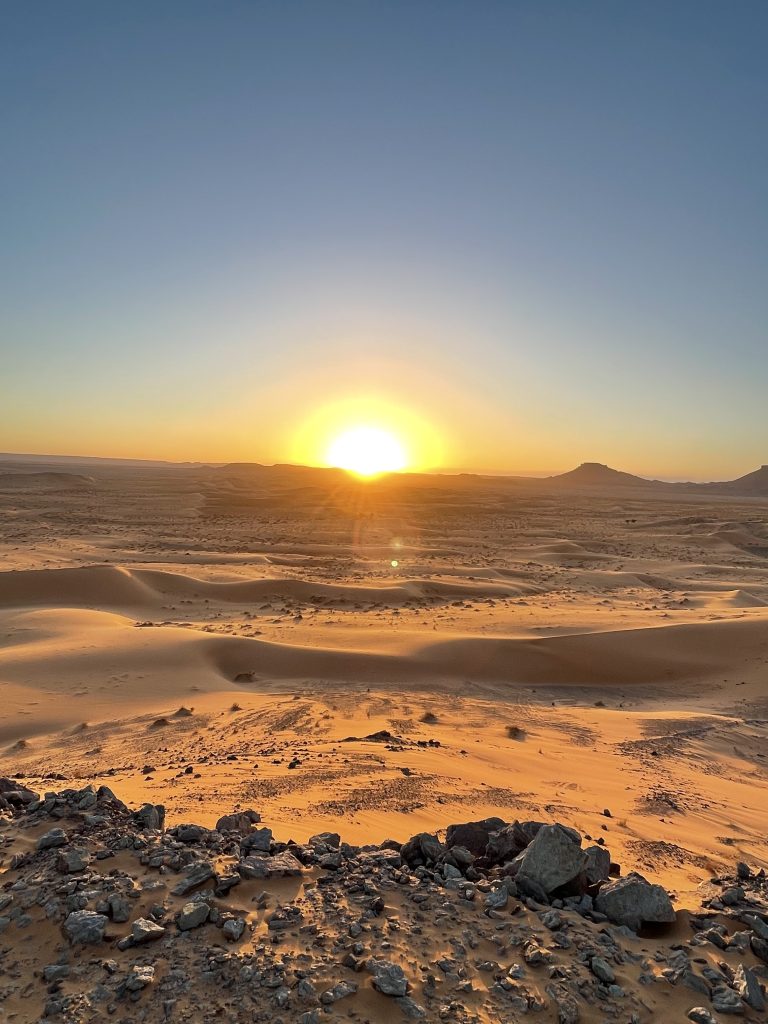
Merzouga sits directly at the foot of the dunes. Step out of your riad, and within a 10-minute walk (or a quick 4×4 ride), you’re at the base of the highest dunes in Morocco—some reaching 150 meters. This town has grown significantly over the past decade as tourism has increased, and it now offers everything from budget guesthouses to luxury desert camps.
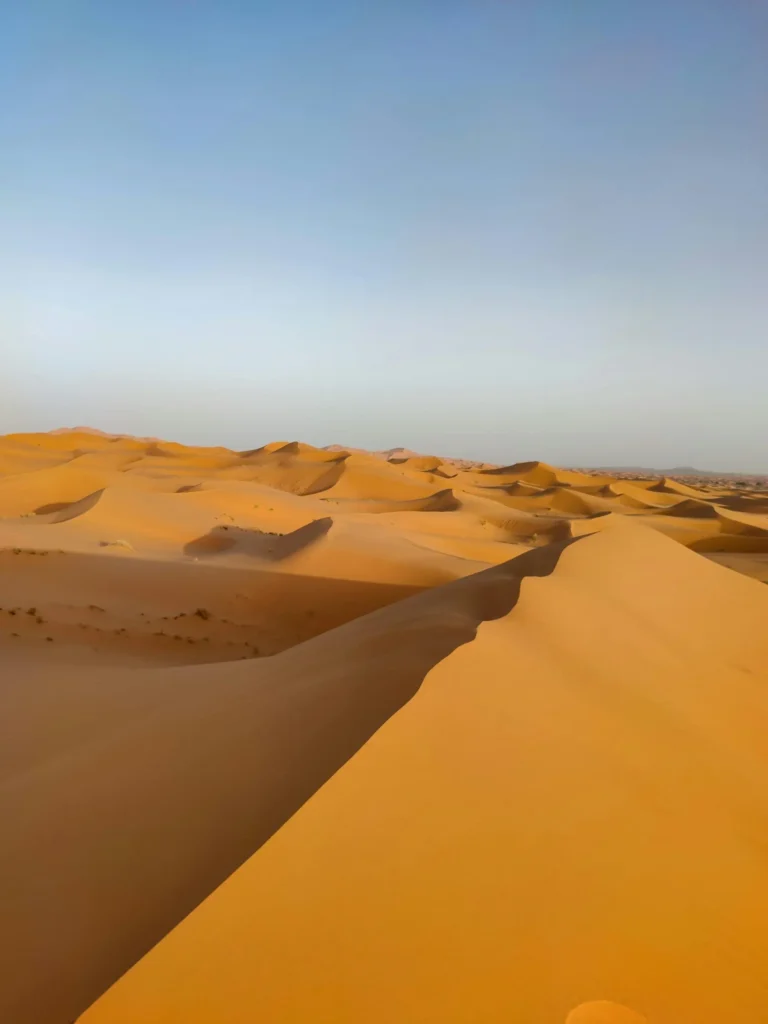
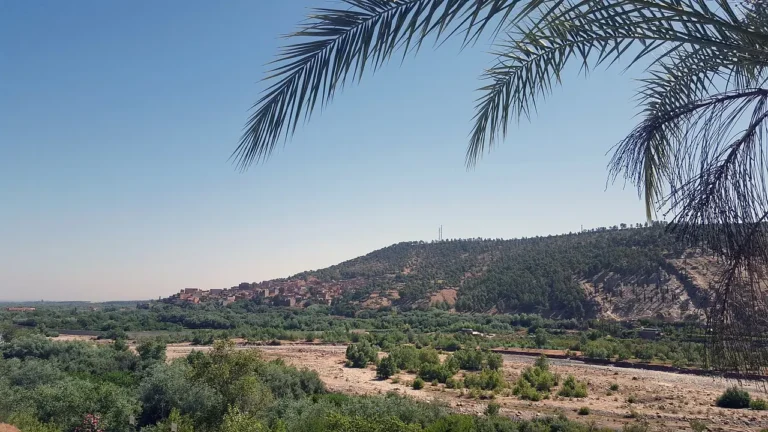
Khamlia, on the other hand, is a small village located about 7 kilometers south of Merzouga. With a population of around 400 people, predominantly descendants of sub-Saharan slaves who settled here centuries ago, Khamlia has maintained its authentic character. The village is famous throughout Morocco for its Gnawa music traditions—a spiritual musical style combining African rhythms with Islamic mysticism.
The drive between the two takes approximately 10 minutes on a paved road, making it easy to experience both during your stay.
Staying in Merzouga: The Practical Choice
What Merzouga Offers
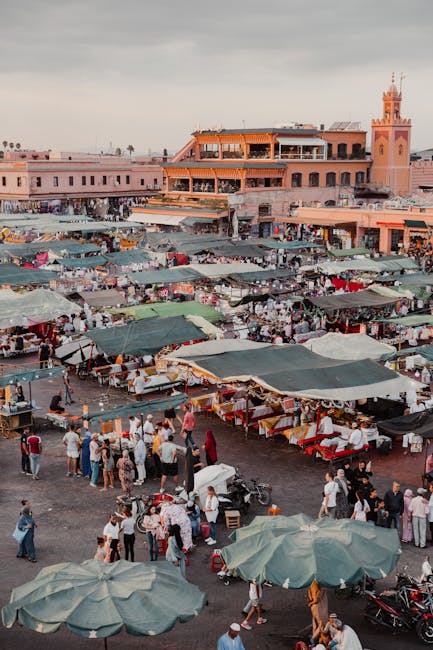
Merzouga functions as the region’s tourism hub, and there’s no denying its convenience. The village has evolved to cater to international visitors while still retaining Moroccan charm—though I won’t pretend it hasn’t been commercialized.
Accommodation range: From €20 budget auberges to €200+ luxury Riads with pools overlooking the dunes. You’ll find traditional kasbahs, modern riads, and everything in between. Many accommodations include dinner and breakfast, which is helpful since restaurant options, while present, are limited.
Dune access: This is Merzouga’s biggest advantage. Most hotels can arrange camel treks or 4×4 transfers to desert camps within minutes. If you’re only spending one night in the desert area, staying in Merzouga maximizes your dune time. Several accommodations have terraces where you can watch the sunset over Erg Chebbi without even leaving the property.
Services and amenities: Merzouga has ATMs (crucial—bring cash, as most places don’t accept cards), small grocery shops, pharmacies, and mobile phone coverage. The village center has a handful of restaurants serving tagines, pizzas, and the ubiquitous Berber omelet.
The Reality Check
Here’s what the glossy travel blogs won’t tell you: Merzouga can feel sometimes touristy, especially during high season (October-April).
You’ll likely be approached by quad bike rental operators and tour sellers. The village isn’t picturesque, it’s functional. Expect dusty streets, basic infrastructure, and a frontier-town atmosphere.
The accommodations vary wildly in quality. I’ve seen €80 “boutique riads” with paper-thin walls and inconsistent hot water, and €40 family-run guesthouses that offer exceptional hospitality. Read recent reviews carefully, and don’t judge solely by price.
Staying in Khamlia: The Cultural Experience
What Makes Khamlia Special
Khamlia village has soul. While Merzouga serves tourists, Khamlia remains a functioning village where you’re witnessing real life, not a performance staged for visitors.
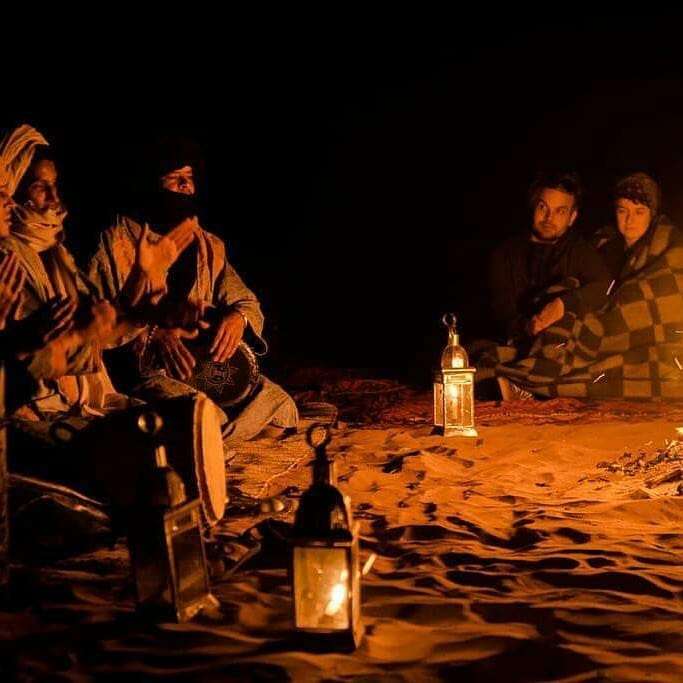
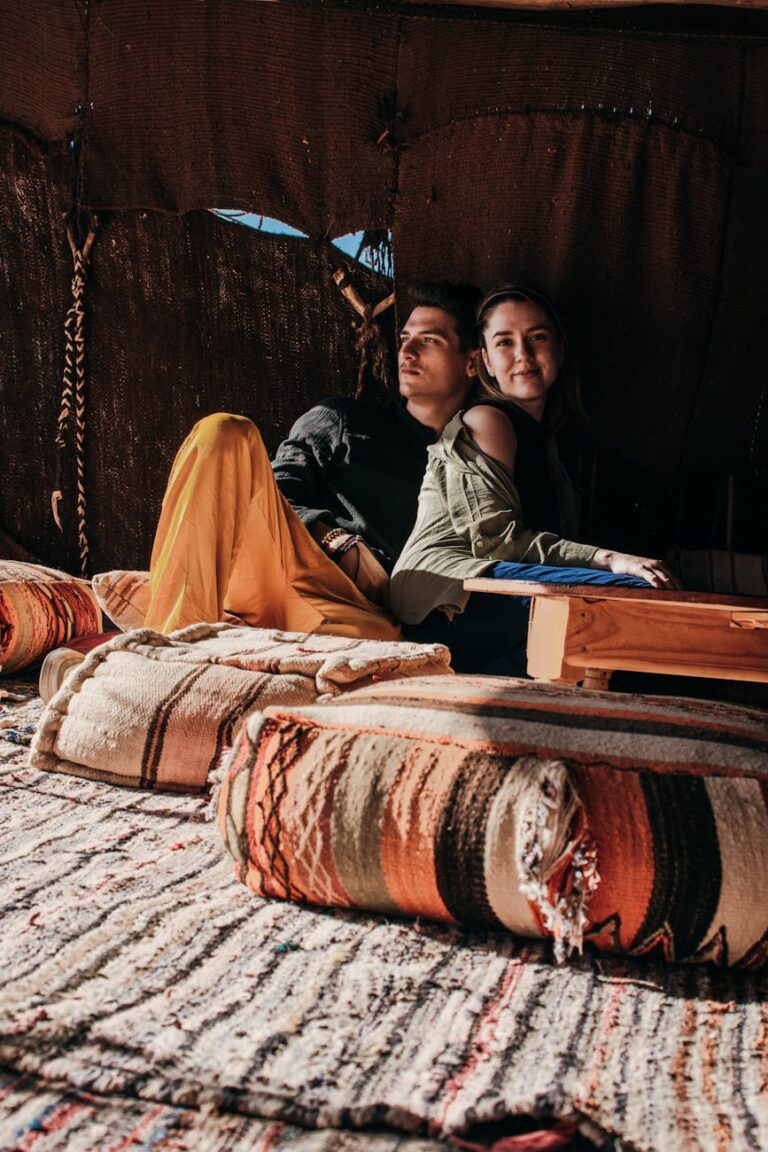
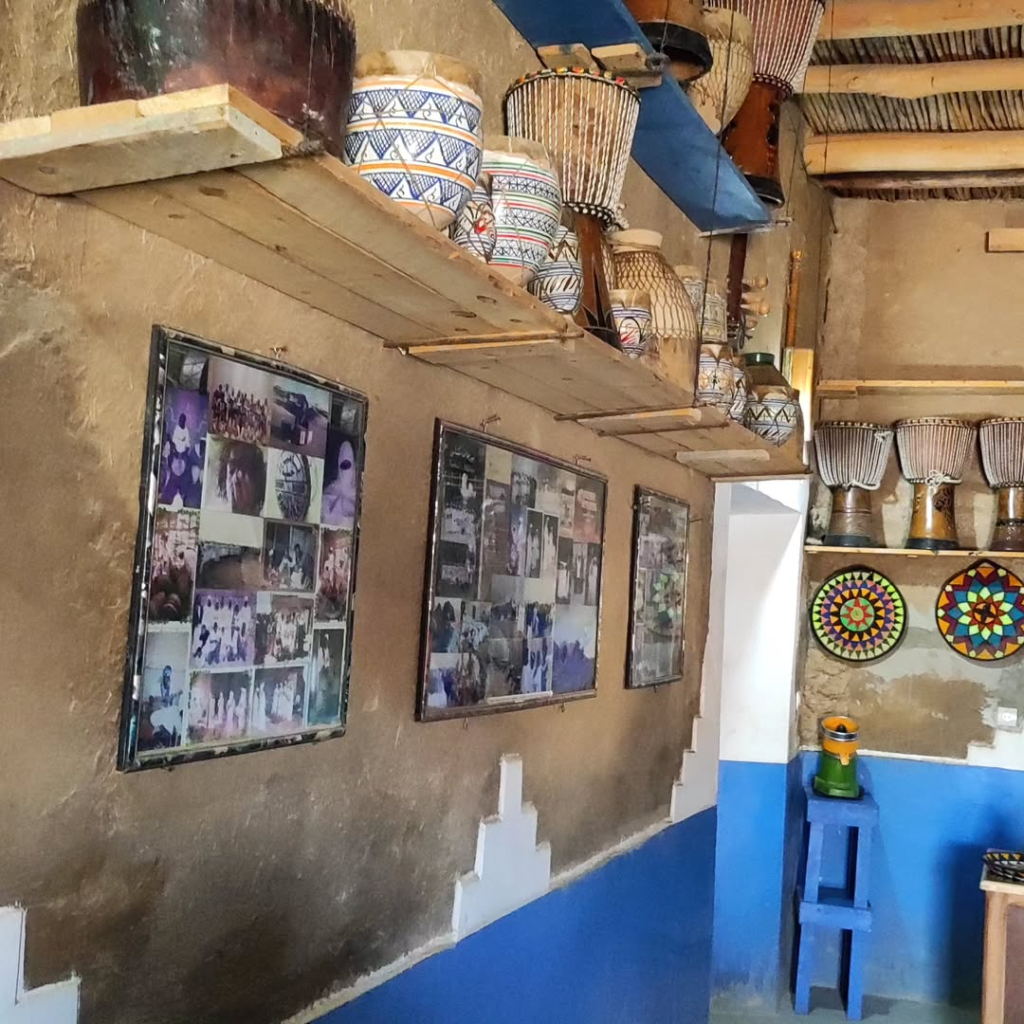
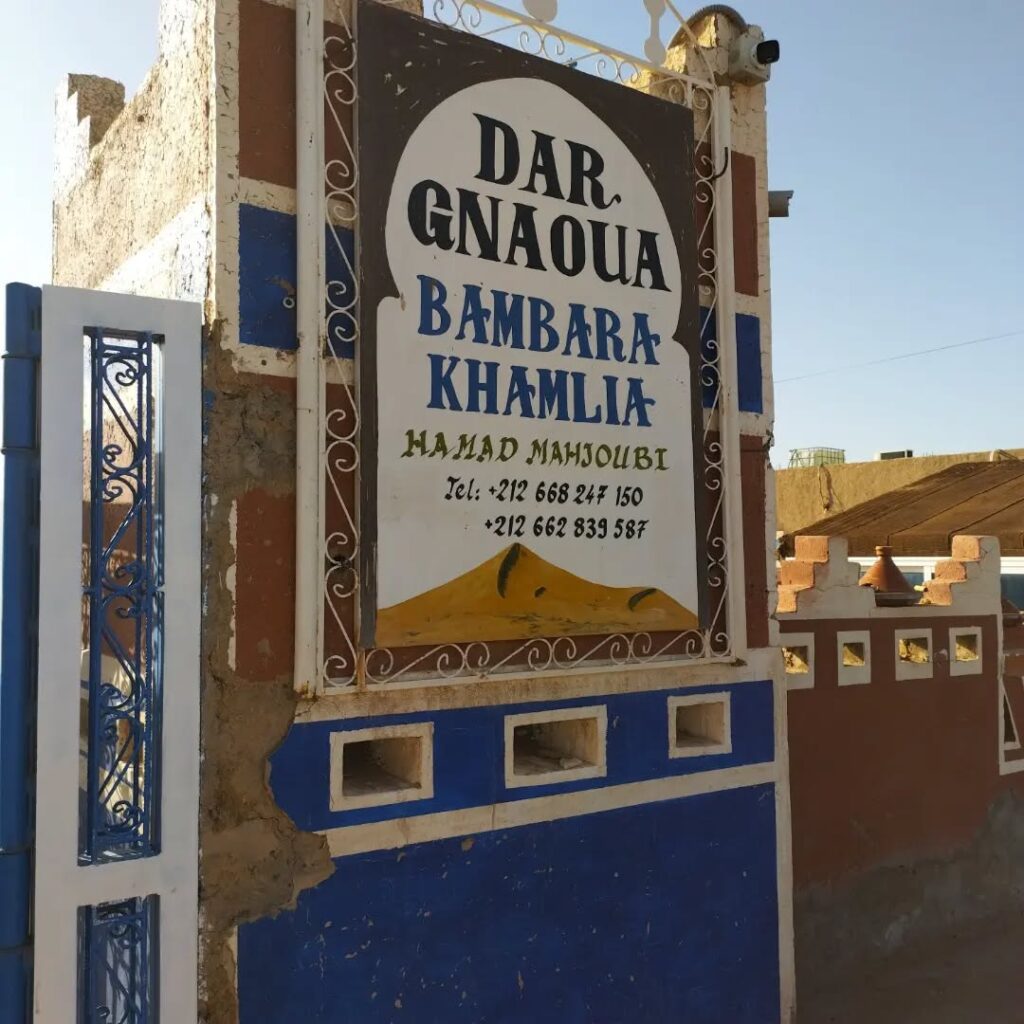
The main attraction is the Gnawa music. Several family-run cooperatives offer intimate concerts in their homes. For 50-100 dirhams (€5-10), you’ll sit on cushions, sip sweet tea, and experience hypnotic rhythms played on the guembri (a three-stringed bass instrument) and metal castanets. This isn’t a ticketed show—it’s a genuine cultural exchange. Gnaoua Khamlia or The musicians are often the same families who’ve preserved these traditions for generations.
Accommodation in Khamlia is more limited but tends toward authentic guesthouses run by local families. Expect simple, clean rooms with traditional Moroccan decoration. The hosts often eat with guests, sharing stories about village life. This personal connection is what makes Khamlia special.
Why Travelers Choose Khamlia
If you want to understand Moroccan hospitality beyond the tourism industry, Khamlia village delivers. The village is quiet—refreshingly so after the chaos of Marrakech or Fes. Children play in the streets, women gather at the communal well, and life moves at a slower pace.
The surrounding area offers interesting walks. You can visit the seasonal Dayet Srji lake (when there’s water, it attracts flamingos), explore fossil quarries, or simply wander through the village observing daily life. The absence of aggressive tourism makes these experiences feel organic.
The Trade-offs
Let’s be practical: staying in Khamlia requires compromise. You’ll need transportation to reach the dunes in Merzouga—either arrange this with your guesthouse or rent a car. There are no restaurants outside your accommodation (though most guesthouses include all meals). ATMs don’t exist here, so bring enough cash from Merzouga.
The accommodation selection is limited to perhaps 10-15 guesthouses. During peak season, options may sell out. While you can rent a car, the roads around the desert can be tricky, especially if you’re venturing off-paved surfaces to reach some desert camps. Many travelers prefer the peace of mind of our private drivers who know every track and shortcut in the region, ensuring you don’t miss sunset over the dunes because of a wrong turn.
The Practical Comparison: Side by Side
Location & Access
- Merzouga: Direct dune access, on the main road from Rissani
- Khamlia: 7km south, requires separate transport to dunes
Accommodation Options
- Merzouga: 50+ hotels/riads/guesthouses across all budgets
- Khamlia: 10-15 family-run guesthouses, mostly budget-to-mid range
Cultural Authenticity
- Merzouga: Tourism-oriented, commercial atmosphere
- Khamlia: Authentic village life, strong cultural identity
Food & Dining
- Merzouga: Several independent restaurants plus hotel dining
- Khamlia: Meals typically at your guesthouse only
Activities & Entertainment
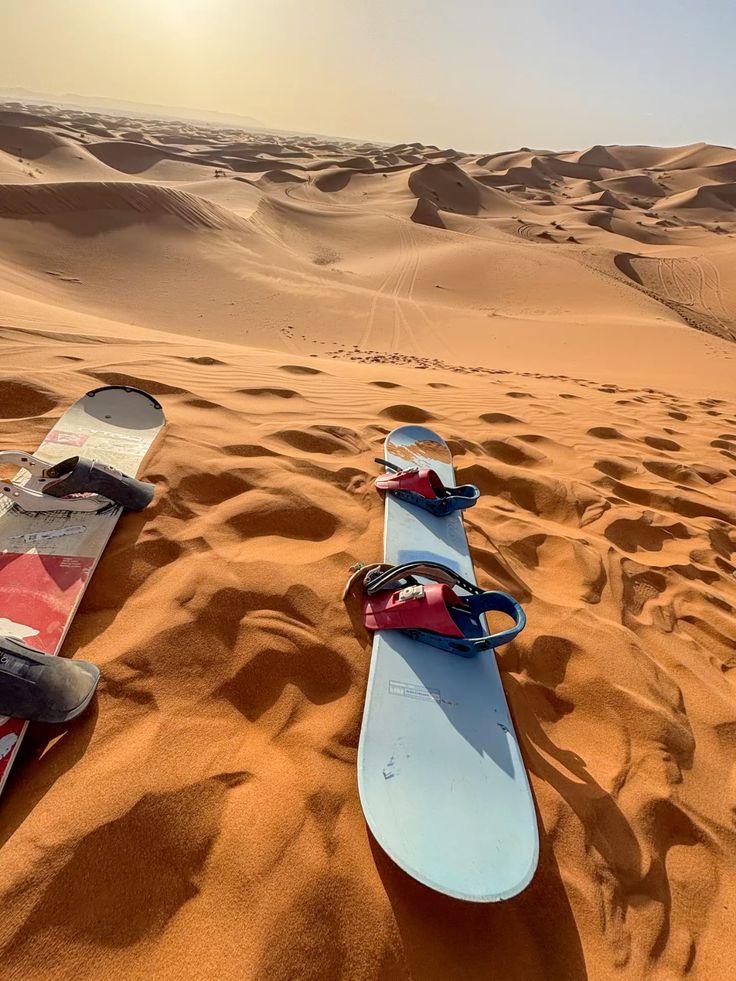
- Merzouga: Desert camps, quad bikes, 4×4 tours, sandboarding
- Khamlia: Gnawa music, cultural experiences, quieter exploration
Convenience
- Merzouga: ATMs, shops, better infrastructure
- Khamlia: Cash only, bring essentials, arranged transport needed
Hidden Gem: The Best of Both Worlds Strategy
Here’s what experienced travelers and locals do: visit Khamlia or Merzouga—or better yet, stay in both locations.
The smartest itinerary I recommend looks like this:
Day 1-2: Arrive and stay in Khamlia village. Settle into a family guesthouse, attend an evening Gnawa music session, and experience village life. Your hosts will arrange a sunset camel trek from Merzouga (they’ll drive you there).
Day 2-3: Transfer to a Merzouga desert accommodation or luxury desert camp. Spend your time focused on the dunes—sunrise camel rides, sandboarding, stargazing, and perhaps a night in a traditional Berber tent.
This approach gives you cultural depth and desert magic without compromise. The 7km distance means you’re not wasting travel time, and you’ll leave with a richer understanding of the region.
Local Secrets You Won’t Find in Guidebooks
Timing matters: The main tourist season runs October through April. Visit Khamlia or Merzouga in September or May for smaller crowds and better rates. Summer (June-August) is brutally hot (45°C+), but some travelers love the solitude and dramatic heat shimmer over the dunes.
Friday caution: Avoid arriving in either village on Friday afternoons. This is prayer day, and many businesses close for several hours. Your planned activities might be delayed.
The music money talk: When attending Gnawa music in Khamlia, the “suggested donation” is genuinely flexible. Don’t feel pressured to pay more than 50-100 dirhams per person. However, tips are appreciated—these musicians preserve a cultural treasure that UNESCO now recognizes as intangible heritage.
Water quality: Stick to bottled water in both villages. The desert wells produce water suitable for washing but not drinking by foreign stomachs. Your accommodation will provide bottled water—if they don’t, ask immediately.
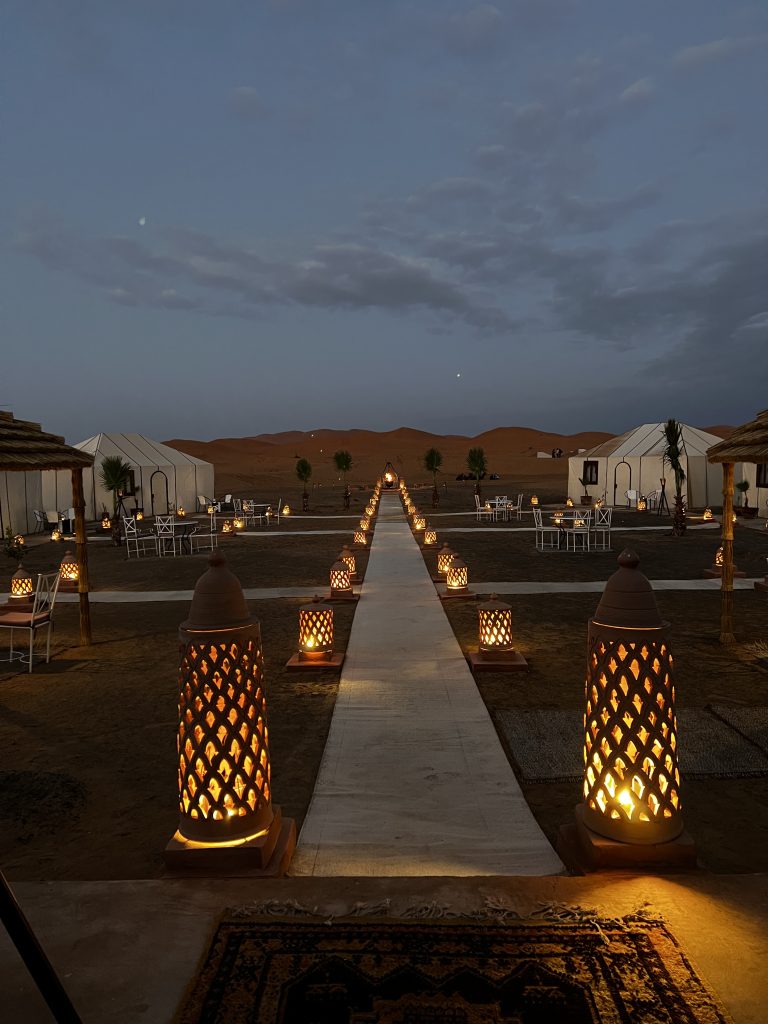
Desert camp reality: Not all “luxury desert camps” are equal. Some are permanent structures with real bathrooms; others are authentic but basic nomadic tents. Clarify exactly what you’re booking—photos can be misleading. Our agency only works with camps we’ve personally inspected, so you know exactly what experience you’re getting.
When Location Actually Matters
Choose Merzouga If:
- You have limited time (only 1-2 nights in the desert region)
- You’re traveling with young children or elderly family members who need easy access to amenities
- You prefer having multiple dining and accommodation options
- You want to spontaneously book activities or change plans
- You’re uncomfortable with basic, remote accommodations
Choose Khamlia If:
- You value authentic cultural experiences over convenience
- You’re specifically interested in Gnawa music and culture
- You prefer quiet, intimate guesthouses over hotels
- You have reliable transportation arranged
- You’re comfortable with fewer amenities and more adventure
Consider Both If:
- You have 3+ nights in the region
- You want comprehensive cultural immersion AND luxury desert camping
- You’re on a customized tour that optimizes your time
Beyond Accommodation: Making the Most of Either Base
Regardless of where you stay when deciding Khamlia or Merzouga, certain experiences are essential.
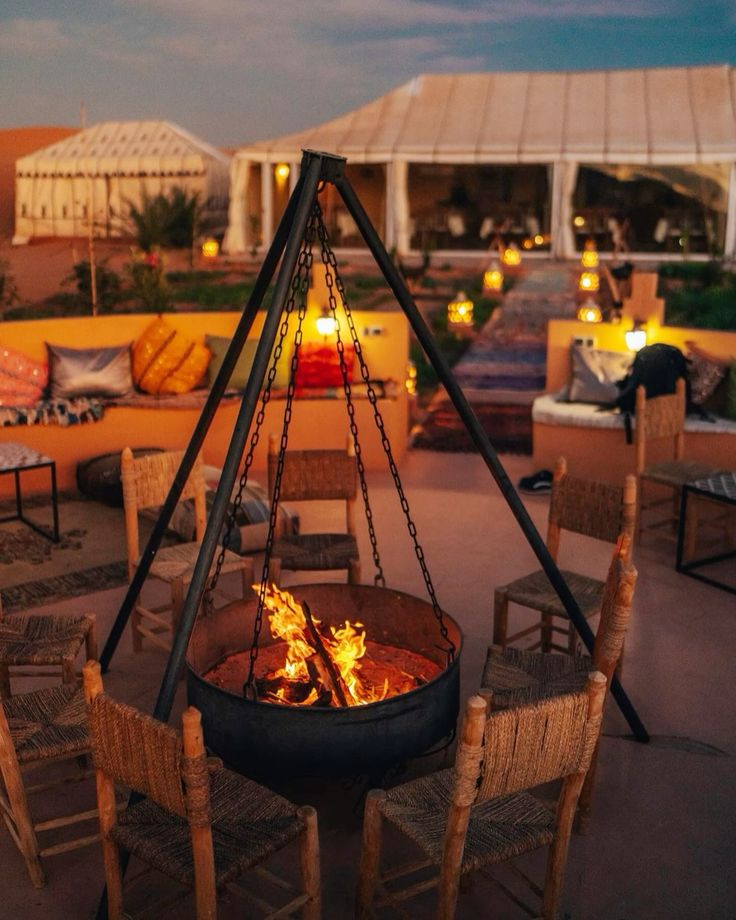
The desert camp overnight: This is non-negotiable. Whether you book from Khamlia or Merzouga, spending one night in the Sahara sleeping under stars is transformative. Camps range from basic (shared bathrooms, simple tents) to luxurious (ensuite facilities, proper beds, elaborate dinners). Book what fits your comfort level, but don’t skip this experience.
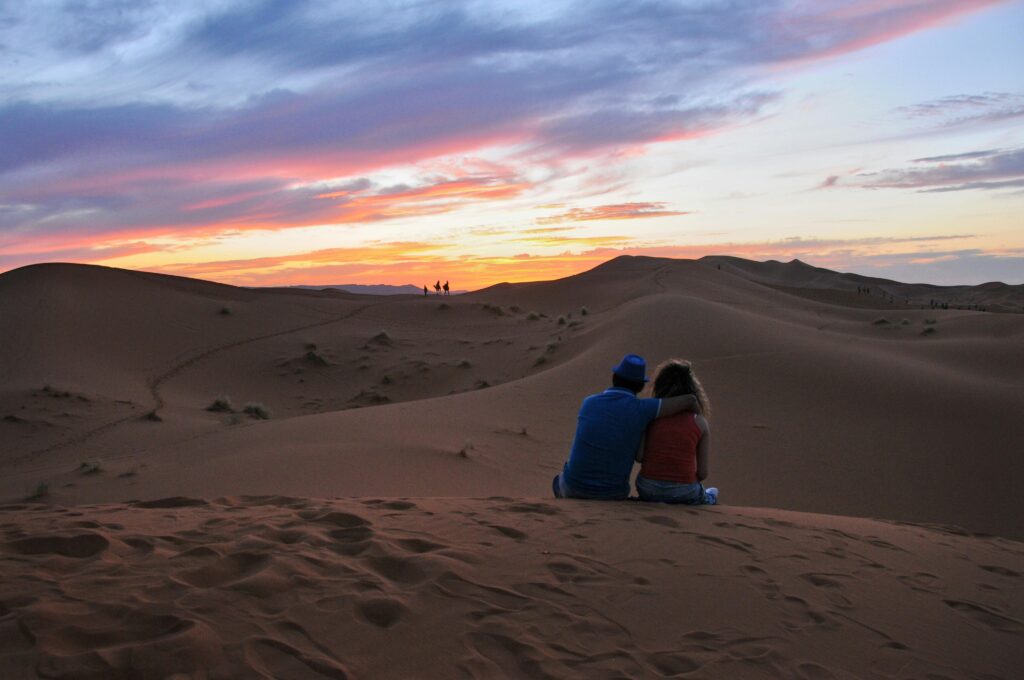
Sunrise over Erg Chebbi: The dunes change color from pink to gold to orange as the sun rises. Set your alarm. This moment is worth any lost sleep.
Local interaction: Whether in Khamlia’s music sessions or Merzouga’s family-run guesthouses, take time to talk with locals. Ask about their lives, their perspective on tourism, their families. These conversations often become travelers’ favorite memories.
Respect local customs: Both villages are conservative. Dress modestly (shoulders and knees covered). Ask permission before photographing people. Remove shoes when entering homes. These small gestures of respect open doors to genuine hospitality.
Choosing Between Khamlia Village or Merzouga Desert Base
There’s no universally “better” choice when comparing Khamlia village or Merzouga desert accommodations—it depends entirely on your Morocco travel style and priorities.
For most first-time visitors to Morocco’s desert, Merzouga offers the right balance of accessibility, choice, and desert proximity. You’ll have an excellent experience, easy logistics, and plenty of options if plans change.
For travelers seeking deeper cultural connection and authentic Moroccan experiences, Khamlia provides something special that’s increasingly rare in today’s tourism landscape. You’ll need to accept fewer comforts and plan more carefully, but the rewards are substantial.
And if you’re working with a knowledgeable local tour operator? You can experience both without the logistics headache, getting the authentic soul of Khamlia and the desert access of Merzouga in one seamless journey.
Understanding the Khamlia vs Merzouga Experience
After fifteen years guiding travelers through Morocco’s desert regions, I can tell you this: the Khamlia vs Merzouga question isn’t about finding a winner—it’s about understanding what each village offers. The real magic happens when you’re sitting on a dune at sunset, sharing tea with your Berber guide, or lying on your back counting shooting stars from your desert camp.
Whether you choose to visit Khamlia or Merzouga, or ideally both, the key is thoughtful planning that matches the experience to your travel style. That’s where working with a local Moroccan travel agency makes the difference.
Why Choose Morocco Service Tours
When planning your khamlia or Merzouga adventure, partnering with experienced operators makes all the difference.
Our Advantages:
- Local guides born in desert communities
- Flexible itineraries tailored to your interests
- Transparent pricing with no hidden fees
- Eco-friendly camps supporting local communities
- 24/7 support throughout your journey
We handle the complicated logistics, transportation, accommodation, permits, activities—so you focus on making memories. Whether you’re visiting Morocco for the first time or returning to explore deeper, we create journeys that exceed expectations.
Your Sahara Journey Awaits
Your decision between Khamlia village or Merzouga desert isn’t about right or wrong, it’s about matching method to your personality and priorities.
Ready to book? Contact our team for personalized recommendations matching your travel style, budget, and dates. We’ll help you design the perfect balance of independence and support for your unforgettable Sahara adventure.
Share your desert adventures with us on Pinterest or instagram and inspire fellow travelers!
Because the question isn’t really “Khamlia vs Merzouga”—it’s “How do I experience the Sahara in a way I’ll remember forever?” Let us show you.
FAQ: Your Quick Answers
-
Is it safe to travel to Khamlia and Merzouga?

Yes, both villages are safe for tourists. Morocco’s desert regions have very low crime rates, and locals depend on tourism for their livelihoods, so they’re welcoming and protective of visitors. Standard travel precautions apply: don’t flash expensive items, keep valuables secure, and book accommodation and tours through reputable sources. Women traveling alone report feeling safe in both locations, though conservative dress is recommended.
-
How many days should I spend in the Merzouga/Khamlia area?
I recommend a minimum of 2 nights, which allows one night in a village accommodation and one night in a desert camp. This gives you time to experience both the dunes and local culture without feeling rushed. Three nights is ideal if you want to stay in both Khamlia village or Merzouga desert bases, or if you’d like time to relax between activities. One night is possible but you’ll miss the region’s depth.
-
What’s the best time of year to visit for Morocco desert tours?
October through April offers the best weather, with daytime temperatures ranging from 20-28°C and cool nights. March and October are particularly pleasant. Summer (June-August) reaches 45°C+ and is extremely challenging, though some travelers enjoy the dramatic heat and empty desert. Winter nights (December-February) can drop to 5°C or below, so bring warm layers. Avoid major holidays when accommodation fills up quickly.
-
Do I need a 4×4 vehicle to reach Khamlia or the desert camps?
The paved road between Merzouga and Khamlia is accessible by any vehicle. However, reaching most desert camps requires a 4×4 because you’ll be driving on sand. If you’re renting a car, standard vehicles work fine for the villages themselves, but you’ll need to arrange 4×4 transport for dune excursions. Most accommodations offer this service, or you can book it as part of a comprehensive tour package.
-
Should I visit Khamlia or Merzouga first when planning my desert itinerary?
Most travelers find it works best to start in Khamlia village for the cultural immersion and quieter introduction to the desert region, then move to Merzouga for easier access to dune activities and desert camps. This progression lets you build up to the main desert experience. However, the reverse order also works perfectly—it’s more about your personal preference and how your overall Morocco itinerary flows
-
Can I book accommodation and desert camps when I arrive, or should I reserve in advance?
During high season (October-April, especially December-January), advance booking is essential—the best accommodations and camps fill up weeks ahead. In low season (May-September), you can find availability on arrival, but you’ll have limited choice and may not get your preferred options. For peace of mind and better rates, I recommend booking at least 2-4 weeks in advance, or working with a local agency who can secure quality options at fair pric