Chefchaouen Travel Guide 2026: Everything You Need to Know
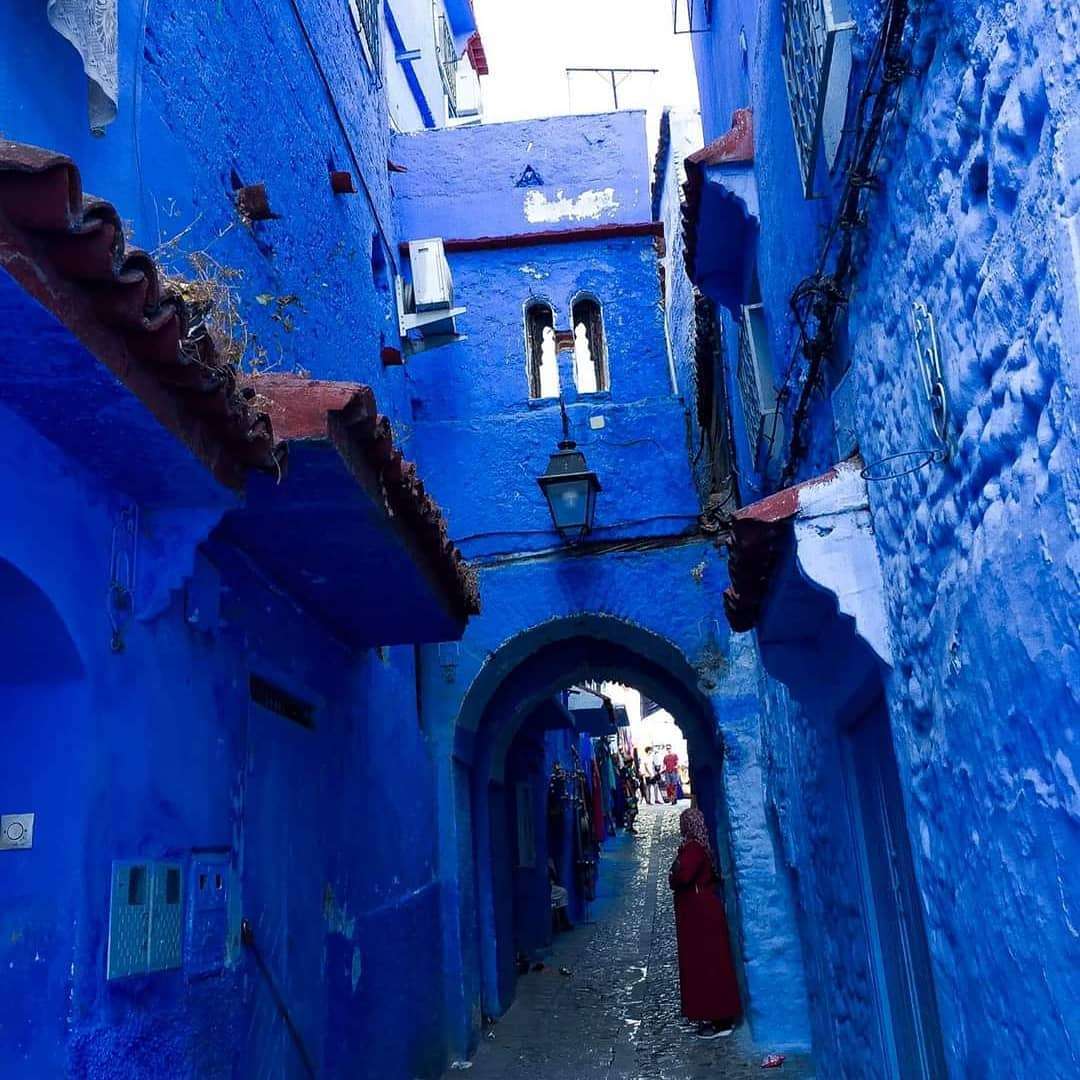
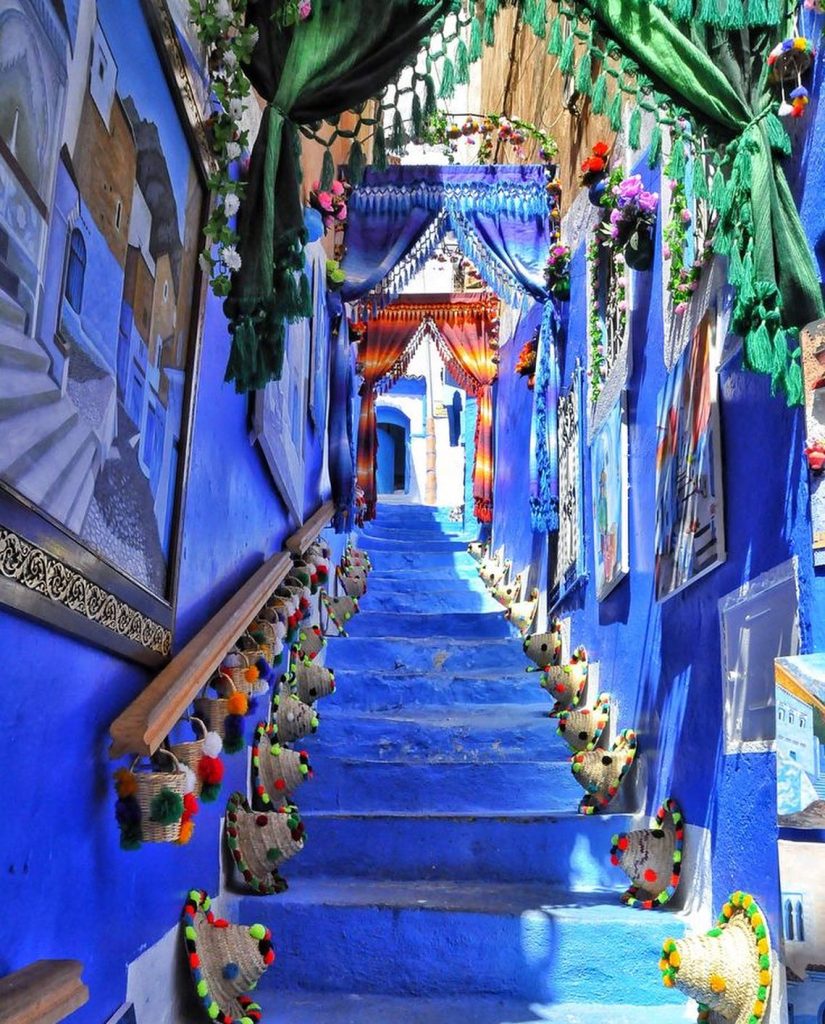
The moment you step through the ancient gates of Chefchaouen’s medina, something shifts. The noise of Morocco’s busier cities fades. The air smells of cedar wood, wild herbs, and freshly baked bread drifting from community ovens tucked into the alleyways. Every wall, every step, every doorway is painted in a different shade of blue — cobalt, sky, indigo, and powder — and the Rif Mountains rise silently behind it all like a painted backdrop you can’t quite believe is real.
If you’ve been scrolling Morocco on Instagram and wondering whether Chefchaouen actually lives up to the hype — it does. And then some.
This guide covers everything: Things to Do in Chefchaouen, Where to Stay in Chefchaouen, How to Get to Chefchaouen, the Best Time to Visit Chefchaouen, chefchaouen food guide, local customs to respect, and a few insider tips you won’t find in most travel blogs. Whether you’re spending one day or four, this is the only Chefchaouen travel guide you’ll need for 2026.
Key Takeaways:
- Chefchaouen is located in the Rif Mountains of northern Morocco, about 4 hours from Fes and 6 hours from Marrakech
- The best time to visit is April–May or September–October
- Two nights minimum is ideal — one day is simply not enough
- The medina is smaller and calmer than Fes or Marrakech, making it ideal for independent exploration
- Always arrive early morning or stay overnight to experience the blue city without the day-tripper crowds
- Darker blue streets in the medina are dead ends — good to know before you wander
Why Chefchaouen Belongs on Your Morocco Itinerary
Most visitors to Morocco anchor their trip around Marrakech and Fes. Chefchaouen sits further north, nestled in the Rif Mountains at around 600 metres above sea level, which means getting here takes a bit of effort. But that effort is exactly why it still feels special.
Unlike the sensory overload of the Marrakech souks or the labyrinthine madness of the Fes medina, Chefchaouen operates at a different pace. The vendors are friendlier, the streets are quieter, and the mountains looming over everything give the whole town an almost surreal, fairytale quality. It is genuinely one of the most photogenic places in the world — but more importantly, it’s also a living, breathing community where locals go about their daily lives against that extraordinary blue backdrop.
For couples, families, solo travelers, and photographers alike, Chefchaouen delivers. If you’re building a Morocco 9-day itinerary, this is the kind of stop that ends up being the one people talk about most when they get home.
When Is the Best Time to Visit Chefchaouen?
| Season | Weather | Crowds | Verdict |
|---|---|---|---|
| March – May | Warm, green, occasional rain | Moderate | ✅ Best time |
| June – August | Hot (30°C+) | Lower | Good for budget travel |
| September – October | Warm, clear skies | Moderate | ✅ Second best |
| November – February | Cool to cold, possible rain | Low | Good for solitude |
The sweet spot is April and May. this is the Best Time to Visit Chefchaouen. The mountains are green, the light is soft for photography, temperatures sit comfortably between 18–25°C, and the town isn’t overwhelmed with visitors. September and October run a close second.
Avoid the peak of summer if you plan to hike — the sun at altitude can be punishing, especially on the trail up to the Spanish Mosque in the afternoon. Go early or go in the evening.
How to Get to Chefchaouen
This is the part most blogs gloss over. There is no airport and no train station in Chefchaouen. You have three practical options:
From Fes (most popular route): The CTM bus takes approximately 4 hours and 15 minutes and costs between 110–140 MAD ($11–14 USD). Book at least two days in advance on the CTM website or app — this route sells out fast, especially on weekends. Depart from Fes CTM Atlas station, not the main public bus terminal.
From Tangier: A 2-hour drive or around 3 hours by CTM bus. This is a popular route for travelers arriving into Tangier airport before heading south.
From Marrakech: This is a long day — roughly 6–7 hours by bus or private transfer. If you’re planning the full Morocco circuit and want to include both the Sahara and the north, a private tour with a local driver is the most comfortable and time-efficient option. The mountain roads in northern Morocco are scenic but narrow in places, and driving yourself for the first time can be stressful.
Pro tip: When you arrive in Chefchaouen, men near the medina entrance may wave you over offering help with parking or guiding you somewhere. You don’t need to follow them — the medina gate is easy to find and well signposted.
Where to Stay in Chefchaouen
Stay inside or as close to the medina as possible. The town is built on a hillside with narrow streets, so proximity to the blue quarter matters. The further out you stay, the more uphill walking you’ll do with bags.
Best options by budget:
- Budget: Small guesthouses and hostels near Plaza Uta el-Hammam, starting from around 150–200 MAD per night
- Mid-range: Riads in the medina — many offer mountain views, rooftop terraces, and included breakfast for 400–700 MAD
- Luxury: TAJ Chefchaouen Hotel & Spa and Lina Riad are consistently the top-rated options, with pools, hammams, and stunning mountain panoramas
One important note on riads: Many have no parking and require carrying your bags up steep, narrow alleyways. If you have heavy luggage, let your riad know in advance — many will arrange a porter to meet you at the gate.
Top Things to Do in Chefchaouen
1. Day tour in the Blue Medina
This is the reason everyone comes, and it earns every bit of its reputation. The medina is compact enough to explore in a few hours but rich enough to reward an entire day of wandering. Every corner reveals a new composition — a doorway draped in bougainvillea, a staircase descending into a sea of indigo, a cat (there are many cats) stretching in a shaft of afternoon light.
Local navigation tip: The streets in the medina are painted different shades of blue. Darker blue streets are dead ends — this one small detail will save you considerable time and backtracking.
One street consistently worth finding is Derb Benyaakoub, known for its striking murals and photogenic blue walls. Also look for El Haoubi House, a narrow, exquisitely tiled blue residence near Mosquée Bab Al Souk — most tourists walk straight past it.
2. Plaza Uta el-Hammam: The Heart of the City
Every evening, this main square fills with locals, musicians, and travelers sharing mint tea and watching the sun drop behind the Kasbah. It’s the best place in Chefchaouen to slow down and absorb the atmosphere without spending a dirham.
-62487.html&docid=lKisumbuXzIAzM&tbnid=YaoJO0Kbz4nkgM&vet=12ahUKEwiUt-qavK-VAxUvRvEDHdyBGNIQnPAOegUInwEQAA..i&w=1024&h=768&hcb=2&ved=2ahUKEwiUt-qavK-VAxUvRvEDHdyBGNIQnPAOegUInwEQAA "Chefchaouen Travel Guide 2026 Morocco Service Tours")
The square is lined with cafes and restaurants. For an authentic, affordable meal here, Restaurant Lala Mesouda (on the upper edge of the medina) serves Harira soup for 7 MAD and the best Friday couscous in town. On the square itself, the upstairs terrace at Morisco offers a solid beef tagine with a great view for a fair price.
3. Hike to the Spanish Mosque at Sunset
one of the best things to do in MoroccoA 15–20 minute uphill walk from the eastern side of the medina brings you to the abandoned Spanish Mosque, perched above the entire blue city. The panoramic view from here — medina below, mountains all around, orange-and-pink sky above — is one of the most memorable sights in Morocco.

Arrive 30–45 minutes before sunset to secure a good spot. It’s a popular viewpoint and fills up quickly in peak season. There’s a small café just to the right of the mosque serving mint tea, coffee, and fresh orange juice — perfect for watching the colours change.
4. Visit the Kasbah Museum
Built in the 15th century, the clay-brown Kasbah sits at the centre of Plaza Uta el-Hammam and houses an ethnographic museum with pottery, musical instruments, weapons, and artefacts that tell the story of the region. Entry for foreigners is 10 MAD.

Honest local advice: The museum labels are primarily in Arabic and French. If you don’t read either, hire a local guide for context — it transforms a confusing room of objects into a genuinely fascinating history lesson. Climbing the Kasbah towers for the rooftop panorama is worth it on its own.
5. Ras el-Maa: The Source Spring
Most tourists miss this. Follow the medina uphill past the last of the blue houses and you’ll reach Ras el-Maa — literally “head of the water” — a natural mountain spring where the fresh water that has fed this town for centuries tumbles in from the Rif.

Locals gather here to do laundry, chat, and cool off. It’s peaceful, authentic, and completely free. There are also small pools you can sit beside and dip your feet into.
6. Day Trip to Akchour Waterfalls
About 30–45 minutes by grand taxi from the medina, the Akchour trail winds through a dramatic gorge in the Rif Mountains to a series of stunning turquoise waterfalls and natural rock pools. The highlight is the Pont de Dieu (Bridge of God) — a natural rock arch spanning the river that most day visitors never make it to because they turn back at the first waterfall.

Shared taxis cost around 25 MAD per person from the main roundabout near Café Dahab. The walk to God’s Bridge takes about 45 minutes to an hour each way. Go early morning — it gets busy, and the light in the gorge is spectacular before 10am.
If hiking and nature are priorities on your trip, Morocco’s Rif Mountains offer some of the most underrated outdoor experiences in the country. They are less famous than the Atlas but just as impressive.
The Local Secret Most Travel Guides Skip
Visit on a Monday or Thursday morning and walk 10 minutes outside the medina to the weekly market. This is where local farmers from surrounding Rif villages bring their produce — mounds of fresh herbs, dried mountain spices, handwoven baskets, and live chickens. It is completely untouristy, entirely photogenic, and gives you a window into the agricultural life of the region that the blue medina, as beautiful as it is, simply cannot.
The community bread ovens (farran) scattered throughout the medina are another detail most visitors walk past. Locals bring raw dough from home each morning and collect freshly baked loaves from the wood-fired oven. The bakers typically welcome curious visitors to have a look inside — just ask politely and don’t block the workflow.
Shopping in Chefchaouen: What to Buy and What to Skip
Chefchaouen is excellent for wool and woven textiles shopping— blankets, kilims, and djellabas in natural mountain dyes. It is also known for its goat leather products, which are made locally and of high quality.

One important shopping note: Leather goods like bags and belts in the medina are often sourced from Fes and marked up significantly. If you’re planning to visit Fes later on your trip, hold off on leather purchases until you’re there. The same bag will cost you noticeably less.
Items genuinely worth buying in Chefchaouen:
- Hand-woven wool blankets and rugs from Rif Mountain artisans
- Natural dye textiles (look for the saffron yellows and plant-based indigos)
- Locally made goat leather sandals (babouches)
- Argan oil and mountain herb soaps from small medina shops
Vendors in Chefchaouen are noticeably less pushy than in Marrakech or Fes. Haggling is still expected — a reasonable starting point is to offer 60% of the first asking price and settle somewhere around 70–75%.
Food and Drink: What to Eat in Chefchaouen
Chefchaouen has its own regional flavour, distinct from the tagine-heavy menus of Marrakech. Ras el-hanout spiced goat is the local speciality — you’ll find it slow-cooked in clay pots in the smaller restaurants up from the main square. Bissara (a thick fava bean soup served with olive oil and cumin) is the breakfast of choice, available for 10–15 MAD at spots like Restaurant Jbaria.

For something unexpected, El Cielo restaurant sits tucked behind a bamboo garden just outside the upper medina and serves a Mediterranean-Moroccan mezze platter at 110 MAD. It’s the best non-tagine meal in town and a favourite among returning visitors. Book ahead — it fills up.
The mint tea here is made with fresh mountain mint, which is noticeably more fragrant than in the cities. Drink as much as possible.
One thing you won’t easily find: Alcohol. Chefchaouen is a conservative town and licensed alcohol is rare. A handful of guesthouses serve wine to guests quietly, but don’t expect it in restaurants or cafes.
Cultural Etiquette and Local Customs
- Dress modestly, especially when moving through the upper residential parts of the medina. Shoulders and knees covered is the respectful standard — this is a conservative community, not a resort town.
- Ask before photographing people. The blue walls are fair game. Residents sitting in their doorway are not — a quick gesture and smile asking permission goes a long way.
- Friday afternoons are when locals attend Jumu’ah prayers. The streets around the Grand Mosque become quieter and more solemn. This is not the time to be loudly taking photos near the mosque entrance.
- Tipping: In restaurants, 10–15 MAD on a modest meal is appreciated. For guided hikes, 50–100 MAD per guide is appropriate for a half-day. For riad staff who help carry bags, 20–30 MAD is customary.
- The cats are beloved by the community — avoid touching stray cats as there are reported cases of rabies in the region. Admire them, photograph them, but keep your distance.
How Many Days Do You Need in Chefchaouen?
| 1 day | Medina walk, main square, Spanish Mosque at sunset |
| 2 days | All of the above + Kasbah, Ras el-Maa, local food tour |
| 3 days | All of the above + Akchour day trip, Rif hiking, market day |
Our honest recommendation: two nights minimum. Day-trippers from Fes or Tangier clog the medina between 11am and 4pm. If you’re staying overnight, you can explore the blue streets at 7am when the light is perfect and the alleys are empty — which is the version of Chefchaouen you actually came to see.
If you’re traveling with children, Chefchaouen is one of the most relaxed cities in Morocco to navigate with kids — the medina is compact, the streets are safe, and the pace is unhurried. For more on traveling Morocco as a family, our guide on Sahara Desert tours with kids has practical tips that apply across the country.
Getting Around: Chefchaouen to Other Cities
From Chefchaouen, your most logical onward destinations are:
- Fes (4 hours by CTM bus or private transfer) — the natural pairing, often done as a 2-day stop each
- Tangier (2 hours) — for those flying in or out of Tangier Ibn Batouta Airport
- Marrakech (6–7 hours) — long but doable by overnight bus or private driver
For couples planning a romantic circuit through Morocco, combining Chefchaouen with Fes and a desert tour makes for a beautifully varied trip. You can find ideas in our guide on things to do in Morocco for couples.
Is Chefchaouen Safe?
Yes — it is consistently one of the safest and most welcoming towns in Morocco. Solo female travelers regularly report feeling comfortable here, even walking the medina at night. The main things to watch for are the persistent “parking guides” near the medina entrance (a firm, polite “la shukran” — no thank you — is all you need) and over-priced tours offered by unofficial “guides” near the square.
If you want a Chefchaouen Travel Guide — a food tour, a Rif mountain hike, or a day trip to Akchour — book through your riad or a reputable agency rather than accepting offers from strangers in the square. Prices are fair and you’ll get a much better experience.
Plan Your Chefchaouen Trip With Morocco Service Tours
Chefchaouen is one of those places that gets better the more time you give it. Getting here independently is doable — but many travelers find that combining it into a private Morocco tour means you actually arrive relaxed, with a knowledgeable driver who knows the back roads, the best stops en route, and exactly where to drop you at the medina gate without the parking stress.
We design custom Morocco itineraries that combine Chefchaouen with Fes, the Sahara, and more — tailored to your timeline, budget, and interests. Contact us here and we’ll put together a no-obligation itinerary built around you.
FAQs: Chefchaouen Travel Guide
-
How many days should I spend in Chefchaouen?
A minimum of two nights is recommended. One full day allows you to explore the medina and hike to the Spanish Mosque for sunset. A second day opens up the Kasbah, Ras el-Maa spring, and the local market. Add a third day if you want to do the Akchour Waterfalls day trip.
-
Why is Chefchaouen painted blue?
The exact origin is debated. One widely held explanation is that Jewish refugees who settled here in the 1930s painted the walls blue as a symbol of the sky and heaven. Others suggest the blue repels mosquitoes or simply keeps homes cool. What is certain is that the tradition has continued and the town actively maintains its paint — fresh coats are applied constantly.
-
Is Chefchaouen worth visiting if you only have one day?
It is worth it, but you’ll be sharing the medina with day-tripper crowds during peak hours. If you can only spare one day, arrive before 9am, go straight to the Spanish Mosque for sunrise rather than sunset, and spend the middle of the day in the upper medina near Ras el-Maa where the crowds thin out.
-
What is the best way to get from Marrakech to Chefchaouen?
The most comfortable option is a private transfer with a driver, which takes 6–7 hours and allows stops along the way (Ouazzane is a lovely lunch stop). The overnight CTM bus is the budget option. There is no direct train.
-
Is Chefchaouen suitable for families with children?
Yes — it’s one of the most family-friendly destinations in Morocco. The medina is compact and easy to navigate, there’s no aggressive selling, and the open squares give children room to move. The Akchour waterfalls make an excellent day trip for older children.
-
Can I book accommodation and desert camps when I arrive, or should I reserve in advance?
During high season (October-April, especially December-January), advance booking is essential—the best accommodations and camps fill up weeks ahead. In low season (May-September), you can find availability on arrival, but you’ll have limited choice and may not get your preferred options. For peace of mind and better rates, I recommend booking at least 2-4 weeks in advance, or working with a local agency who can secure quality options at fair pric