Last updated: April 2026 — Morocco Service Tours
Is Khamlia Village a Tourist Trap? An Honest Review from a Local Expert
Is Khamlia Village tourist trap? Here’s the short answer: Khamlia is not a tourist trap in the predatory sense, but it is a village that has commercialized its cultural heritage to survive. The Gnawa music performances are genuine traditions, the people are real residents (not actors), and the experiences offered reflect authentic village life—but yes, tourism is now the primary economy. Whether that feels “authentic” enough depends on your expectations and how you engage with the village.
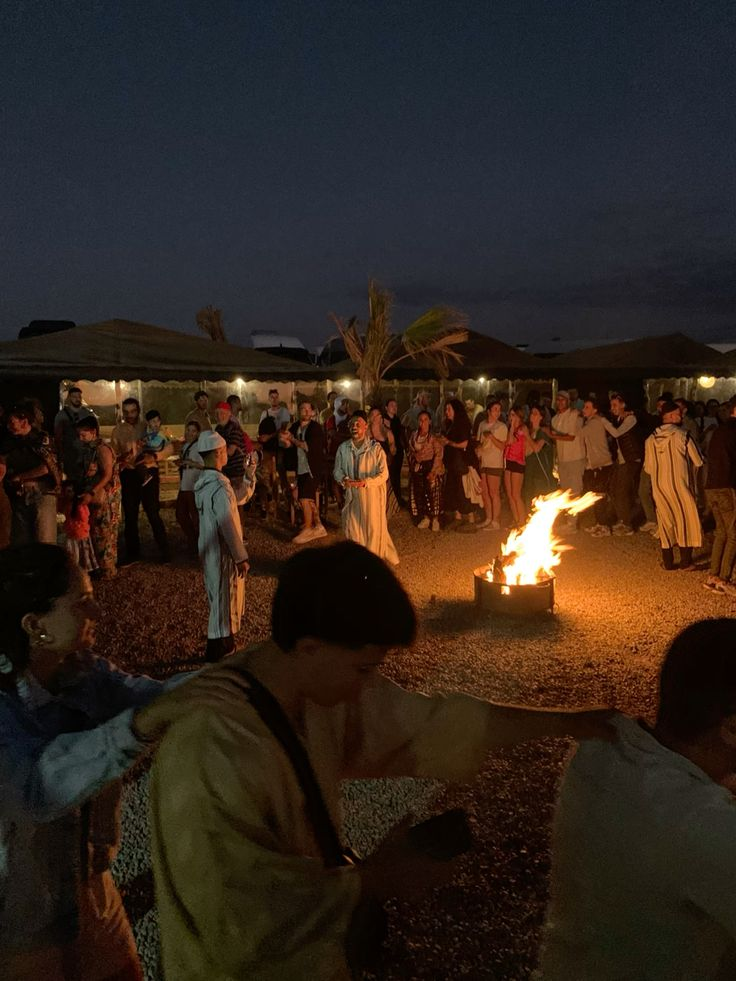
In this Khamlia Village review 2026, we’ll give you the unvarnished truth about what to expect, what’s worth your money, what to avoid, and how to experience this unique desert community without feeling exploited—or being exploitative yourself.
Quick Summary: Khamlia Village review
- Not a classic “tourist trap” but definitely tourism-dependent
- Gnawa music sessions are authentic cultural traditions, not manufactured shows
- Expect to pay for experiences (50-100 dirhams for music is standard)
- Pressure to buy is minimal compared to Marrakech or Fes
- Best experienced as part of a broader Sahara itinerary, not as a standalone attraction
- Real residents living real lives alongside tourism activities
- Value for money: Excellent, depending on which experiences you choose
- Cultural sensitivity required: This is someone’s home, not a theme park
Understanding Khamlia: Context Before Judgment
Before we dive into whether Khamlia Village is a tourist trap, let’s establish some important context.
Khamlia sits 7 kilometers south of Merzouga, the main gateway to Morocco’s Erg Chebbi dunes. The village was founded by descendants of sub-Saharan Africans who arrived in Morocco via ancient trans-Saharan trade routes. Their unique cultural heritage, particularly Gnawa music, remained relatively unknown outside Morocco until the past 20 years.
As Merzouga developed into a desert tourism hub, Khamlia’s proximity and cultural distinctiveness made it a natural day-trip destination.
The question is: has tourism preserved or perverted what made Khamlia special?
The “Tourist Trap” Checklist: Khamlia Village Sahara tour review?
Let me apply the standard criteria travel experts use to identify genuine tourist traps:
1. Inflated Prices for Inferior Quality
Verdict: No, this doesn’t apply to Khamlia
A typical Gnawa music session costs 50-100 dirhams (€5-10) per person. That’s not inflated—it’s reasonable compensation for musicians preserving an art form recognized by UNESCO as intangible cultural heritage. For context, you’d pay €20-50 for similar cultural performances in Spain or Italy.
Meals at village guesthouses (if you stay overnight) run €8-15 for traditional Moroccan fare—tagines, couscous, fresh bread. The portions are generous, the food is homemade, and the quality matches or exceeds what you’d get in Merzouga at similar prices.
Tea with locals is often free or costs a symbolic 20-30 dirhams. Compare this to Marrakech’s Jemaa el-Fna, where you’ll pay €5 for tea and still get hassled to buy something.
2. Aggressive Sales Tactics and Scams
Verdict: none
Here’s where Khamlia distinguishes itself from actual tourist traps. The village has virtually no aggressive touts, no bait-and-switch pricing, and no one following you demanding money.
The typical experience: you arrive (usually with a driver or tour), someone greets you and offers to show you around or invite you for music and tea. You’re told the suggested price upfront. You watch the performance, drink tea, and at the end, you pay what was agreed—or slightly more if you were impressed. That’s it.
Yes, there are small shops selling handicrafts, and yes, you might be offered items for sale. But the pressure is gentle. “No, thank you” works fine. I’ve never heard of tourists being followed, guilt-tripped, or scammed in Khamlia the way they routinely are in Marrakech’s souks.
3. Manufactured “Authenticity” for Tourists
Verdict: Partially true, but more nuanced than it sounds
This is where the conversation gets interesting. The Gnawa music in Khamlia is absolutely authentic—these families have played this music for generations, long before tourism existed. The instruments, the songs, the spiritual significance—all real.
But the context has changed. What was once performed primarily for spiritual healing ceremonies and community celebrations is now performed daily for tourists. The setting has shifted from organic community events to scheduled sessions in designated spaces.
Does that make it fake? I’d argue no—it’s adaptation, not fabrication. The alternative would be these traditions dying out entirely as younger generations move to cities for work. Tourism has created economic incentive to preserve cultural heritage.
That said, you’re not witnessing these performances as they would occur naturally. You’re seeing a presentation of authentic culture, curated for visitors. There’s a difference, and honest travelers should acknowledge it.
4. Lack of Real Local Life
Verdict: False—real life is everywhere
Walk through Khamlia outside the tourist zones, and you’ll see actual village life. Women gathering water, children playing football in dusty streets, men tending small vegetable gardens, families sharing meals. The tourism economy exists alongside traditional subsistence activities.
This isn’t Rothenburg ob der Tauber in Germany or Hallstatt in Austria—villages so overwhelmed by tourism that residents have fled and only shops remain. Khamlia’s 400 residents mostly still live there, in the same homes they’ve occupied for decades.
Yes, many now run guesthouses or participate in tourism. But drive through at 7 AM or 7 PM, outside tour bus hours, and you’ll see a functioning community going about daily life.
What Actually Happens: A Realistic Khamlia Village Sahara Tour Review
Let us walk you through the typical tourist experience in Khamlia, Khamlia Village review with commentary on what’s genuine and what’s choreographed.
The Arrival
You’ll typically arrive by car—either your rental, a tour vehicle. As you enter the village, you might be approached by a local offering to guide you. Sometimes your driver already has an arrangement with a specific family.
The reality: Yes, this is somewhat organized. Different families take turns hosting tourists, or specific families have relationships with tour companies. It’s not spontaneous, but it’s also not sinister—it’s how small communities organize limited tourism opportunities fairly.
The Music Session
You’ll be invited into a home—usually a dedicated room with cushions, carpets, and space for musicians. Tea arrives immediately (sweet mint tea is sacred hospitality in Morocco). The musicians, usually 3-5 men with guembris and metal castanets (qraqeb), begin playing.
The music is hypnotic, repetitive, trance-inducing. Songs can last 15-30 minutes with variations building on a single groove. Between songs, someone might explain the history of Gnawa music and the village.
The reality: This is genuine Gnawa music, performed by musicians who’ve played since childhood. These aren’t actors—they’re cultural practitioners. However, the performance is condensed and explained for tourists in ways that wouldn’t happen in traditional contexts. The spiritual depth is real; the packaging is tourist-friendly.
After 45-60 minutes, the music ends. You’re invited to photograph the musicians, ask questions, and then comes the moment of truth: payment.
The Payment Dance
Someone will mention the suggested donation: “Usually, tourists give 50-100 dirhams per person.” You’re free to give more or less. Most tourists give 50-80 dirhams (€5-8), which seems reasonable for an hour of live music and unlimited tea.
The reality: There’s mild social pressure here, but nothing compared to other tourist situations in Morocco. If you genuinely can’t afford it or feel it’s overpriced, saying “I only have 30 dirhams” won’t result in anger—though it might result in disappointment. Remember: for these families, hosting 2-3 tourist groups daily is often their primary income.
Shopping Guide in Khamlia (Optional)
You might be shown handicrafts—woven goods, small instruments, fossils, decorative items. Prices are negotiable but not wildly inflated. A small woven basket might be 50 dirhams; a decorative guembri replica, 150 dirhams.
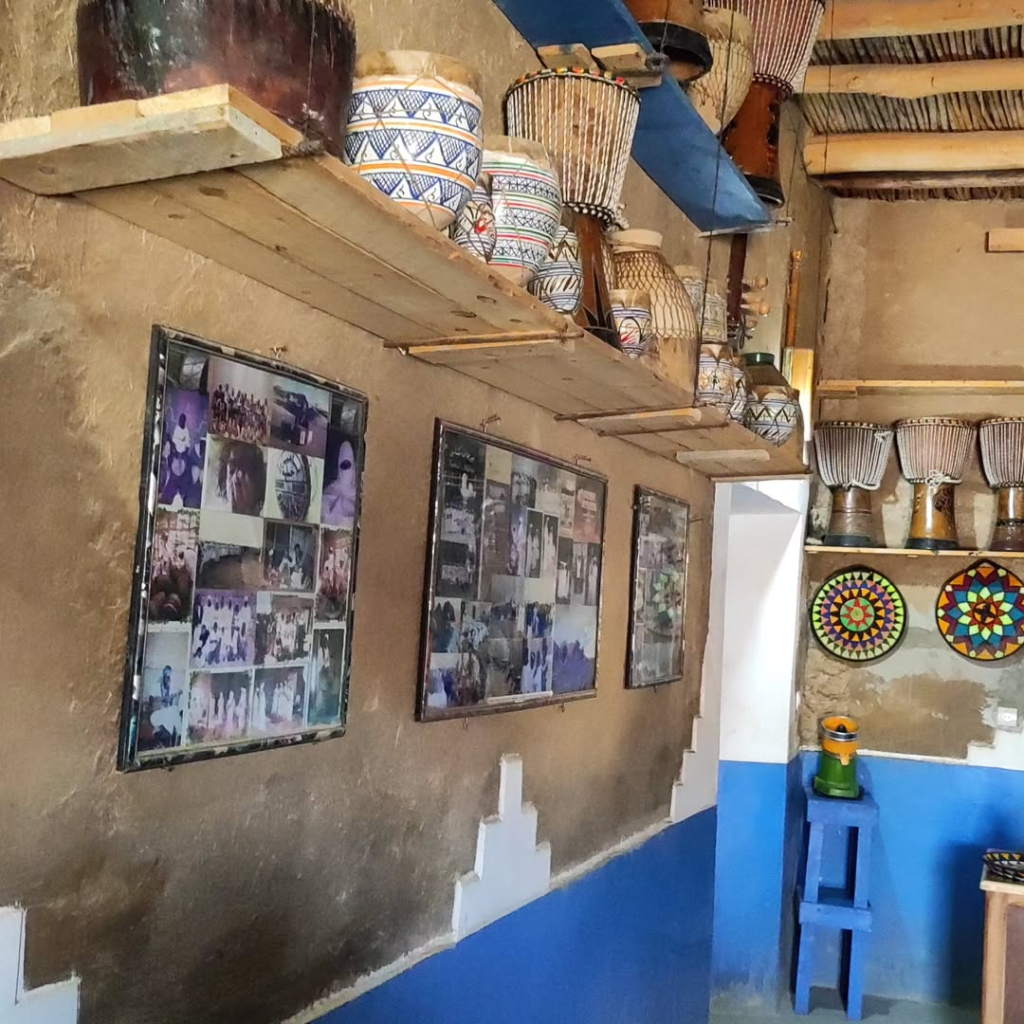
The reality: You’re under zero obligation to buy. “No thank you” ends the conversation. Unlike Marrakech, no one will follow you or keep pressing.
The Village Walk (If You Ask)
If you express interest, locals might offer to show you around—the small schoolhouse, the community well, residential areas. Sometimes this is free; sometimes there’s an expectation of a small tip (20-30 dirhams).
The reality: This is the least structured and most authentic part of visiting Khamlia. You’re seeing real homes, real infrastructure challenges (water scarcity, minimal electricity), real community spaces. If you want to understand the village beyond the tourist presentation, ask for this walk.
is Khamlia Village tourist trap or Responsible Tourism Destination?
After evaluating Khamlia against standard tourist trap criteria, my professional assessment in this Khamlia Village review 2026 is: Khamlia is not a tourist trap, but it is a tourism-dependent village with commercialized cultural experiences.
The distinction matters. A tourist trap exploits visitors through deception, inflated prices, and aggressive tactics while delivering little value. Khamlia offers genuine cultural experiences at fair prices with minimal pressure.
However, it’s also not “undiscovered authentic Morocco.” It’s a village that has consciously developed tourism as an economic survival strategy, packaging its heritage for visitors. The experiences are real, but they’re also curated for tourist consumption.
But tourists should visit with eyes open: you’re participating in cultural tourism, not stumbling upon some untouched paradise. Approach it with respect, realistic expectations, and fair compensation for people’s time and hospitality.
How to Visit Khamlia Responsibly
Do This:
- Pay fairly for experiences. If 50-100 dirhams is suggested, honor it. These are people’s livelihoods.
- Ask permission before photographing people, especially women and children
- Dress modestly. Shoulders and knees covered. This is a conservative village.
- Stay for a meal or overnight if possible. Guesthouses offer the deepest cultural exchange.
- Engage genuinely. Ask questions about people’s lives, families, the challenges of desert living.
- Tip guides and musicians if service exceeded expectations. 20-30 dirhams extra is appreciated.
Don’t Do This:
- Don’t treat people like exhibits. They’re not zoo animals—they’re individuals with dignity.
- Don’t haggle aggressively over already-fair prices. Save your negotiation energy for Marrakech carpet shops.
- Don’t expect “authentic” to mean “unchanged by modernity.” People have smartphones. Kids wear football jerseys. That’s real life.
- Don’t visit on tour bus day trips if you want depth. Quick stops feel more transactional.
- Don’t compare everything to other places. Experience Khamlia on its own terms.
The travelers who leave Khamlia feeling it’s a tourist trap are usually those who arrive with unrealistic expectations of pristine authenticity or who resent any commercialization of culture. Those who approach it as a genuine cultural exchange with fair economic compensation almost always report positive experiences.
Local Secrets: Getting More Than the Standard Tourist Experience
Secret #1: Time Your Visit
The morning (9-11 AM) and late afternoon (4-6 PM) are quietest. Midday brings more tour groups. If you want more personal interaction and less crowd energy, aim for off-peak hours.
Secret #2: Stay Overnight
Day-trippers get surface-level experiences. Overnight guests at family guesthouses often share meals with hosts, hear personal stories, and experience village life as darkness falls and tourists leave. The nightly rate (€25-40 including meals) is incredible value for cultural immersion.
Secret #3: Visit During a Festival
If you happen to be in the region during the annual Khamlia Gnawa Music Festival (usually August), you’ll see performances in their fuller, more traditional context with spiritual intensity that tourist sessions only hint at.
Secret #4: Explore Beyond the Main Square
Most tourists see only the area where music sessions happen. Ask to walk to the village edges—the fossil sites, the palmery gardens, the views toward the dunes. Few visitors request this, so locals are often happy to show off their full territory.
Secret #5: Combine Khamlia with Deeper Desert Exploration
Don’t make Khamlia your only stop. It makes most sense as part of a broader Sahara itinerary—stay in Khamlia one night, then transfer to Merzouga for dune access, or vice versa. Organizing this independently can be complicated, which is why many travelers prefer working with local agencies who handle the logistics of multi-day desert itineraries while ensuring fair compensation reaches village communities.
The Bigger Picture: Cultural Tourism in Morocco
The Khamlia Village tourist trap debate reflects broader questions about tourism ethics. Can cultural experiences be both authentic and commercialized? Is it exploitative when communities monetize their heritage, or is it empowering economic development?
Our take after 15 years working in Moroccan tourism: it’s complicated, but generally positive if done right.
Villages like Khamlia face real economic challenges. Agriculture barely sustains families. Urban migration drains young people. Tourism offers income while incentivizing cultural preservation. The Gnawa music that might have faded is now being passed to new generations precisely because it has economic value.
The key is fairness: tourists paying appropriate amounts, tour operators not exploiting performers, communities maintaining control over how they’re presented. By those standards, Khamlia does reasonably well.
Could it be better? Sure. More tourism revenue could stay in the village rather than going to Merzouga-based tour operators. Infrastructure improvements (better water access, solar power) could improve quality of life. Educational programs could help residents benefit more from tourism while protecting against its negative impacts.
But compared to many tourism-dependent communities globally, Khamlia has maintained remarkable authenticity while adapting to economic realities. That’s worth acknowledging.
Planning Your Khamlia Visit: Practical Tips
How to Get There: Khamlia is 7km south of Merzouga on a paved road. Any vehicle can access it. Many Merzouga accommodations include Khamlia visits in desert tour packages.
How Long to Spend: A music session alone takes 1-2 hours including tea and conversation. Add another hour if you walk around the village. Overnight stays are ideal but require advance booking.
What It Costs:
- Music session: 50-100 dirhams per person
- Tea: Often included, or 20-30 dirhams
- Overnight accommodation: €25-40 per person including meals
- Handicrafts: 30-200 dirhams depending on item
- Guide tip: 20-50 dirhams depending on service
What to Bring: Cash (no ATMs in Khamlia), modest clothing, respectful attitude, open mind.
When to Visit: October through April for pleasant temperatures. Summer is extremely hot but less crowded. The village is accessible year-round.
Why Work with a Local Agency for Your Khamlia Visit
While independent travel to Khamlia is possible, many visitors find that working with a reputable local Moroccan agency enhances the experience:
Vetted connections: We work with specific Khamlia families who provide quality experiences and fair treatment of visitors. You won’t waste time with subpar operators.
Context and preparation: Our guides explain cultural context before arrival, so you understand what you’re experiencing and can engage more meaningfully.
Fair compensation: We ensure tourism revenue reaches village families, not just Merzouga middlemen.
Integrated itineraries: We design multi-day Sahara experiences where Khamlia fits naturally into a broader journey—along with desert camps, dune exploration, and other villages—creating a comprehensive rather than rushed experience.
Cultural sensitivity: Our guides help you navigate customs, language barriers, and social norms so you can be respectful without stress.
Final Verdict: Should You Visit Khamlia?
Yes—if you approach it correctly.
Khamlia Village is not a tourist trap in the predatory sense. It’s a real village with real cultural heritage that has adapted to tourism as an economic necessity. The experiences offered—particularly Gnawa music—are genuine, fairly priced, and culturally significant.
But it’s also not “undiscovered authentic Morocco.” It’s a community that has consciously commercialized its culture in tourism-friendly formats. That doesn’t make it fake—it makes it pragmatic.
Visit with realistic expectations, respectful behavior, and fair compensation, and you’ll likely have a meaningful experience that provides both cultural insight and economic support to a community working to preserve its heritage.
Skip it if you’re cynical about any commercialization of culture or if you only have time for a rushed 30-minute stop. But if you can spend quality time—especially overnight—Khamlia offers something increasingly rare: genuine cultural exchange between travelers and locals in a setting where both parties benefit.
Let Us Create Your Authentic Sahara Experience
After reading this Khamlia Village Sahara tour review, you might be wondering how to fit Khamlia into a broader Morocco itinerary that balances cultural depth, desert magic, and practical logistics.
That’s exactly what we do. As a local Moroccan travel agency, we design custom itineraries that include:
- Thoughtful pacing: Time in Khamlia that allows real connection, not rushed checklist tourism
- Multi-village experiences: Combine Khamlia with other desert communities for comparative cultural insight
- Desert camp overnights: Luxury or traditional camps among Erg Chebbi dunes
- Expert local guides: Moroccan guides who provide context, translation, and cultural bridge-building
- Fair-trade tourism: Ensuring your money supports local families, not just tourism middlemen
- Flexible customization: Adjust itineraries to your interests, budget, and travel style
Ready to experience the real Sahara—including Khamlia’s unique Gnawa heritage—without tourist trap anxieties? Contact us for a custom itinerary that delivers authentic experiences while supporting local communities.
Because the best travel isn’t about checking boxes—it’s about genuine human connection across cultures. Let us show you how.
There’s no universally “better” choice when comparing Khamlia village or Merzouga desert accommodations—it depends entirely on your Morocco travel style and priorities.
For most first-time visitors to Morocco’s desert, Merzouga offers the right balance of accessibility, choice, and desert proximity. You’ll have an excellent experience, easy logistics, and plenty of options if plans change.
For travelers seeking deeper cultural connection and authentic Moroccan experiences, Khamlia provides something special that’s increasingly rare in today’s tourism landscape. You’ll need to accept fewer comforts and plan more carefully, but the rewards are substantial.
And if you’re working with a knowledgeable local tour operator? You can experience both without the logistics headache, getting the authentic soul of Khamlia and the desert access of Merzouga in one seamless journey.
Understanding the Khamlia vs Merzouga Experience
After fifteen years guiding travelers through Morocco’s desert regions, I can tell you this: the Khamlia vs Merzouga question isn’t about finding a winner—it’s about understanding what each village offers. The real magic happens when you’re sitting on a dune at sunset, sharing tea with your Berber guide, or lying on your back counting shooting stars from your desert camp.
Whether you choose to visit Khamlia or Merzouga, or ideally both, the key is thoughtful planning that matches the experience to your travel style. That’s where working with a local Moroccan travel agency makes the difference.
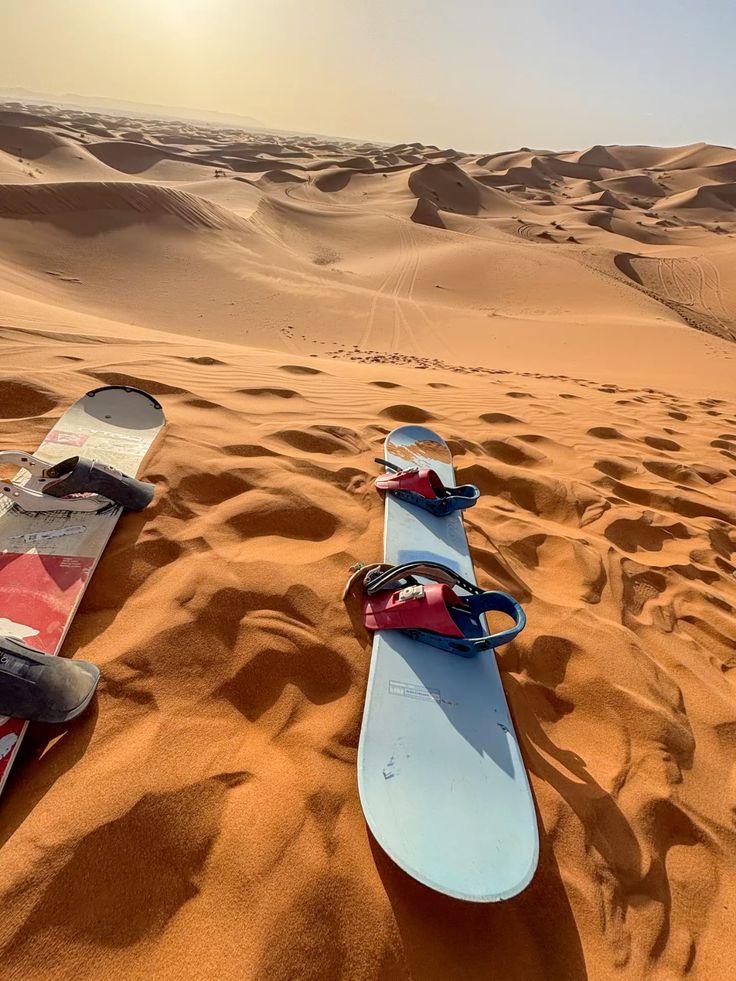
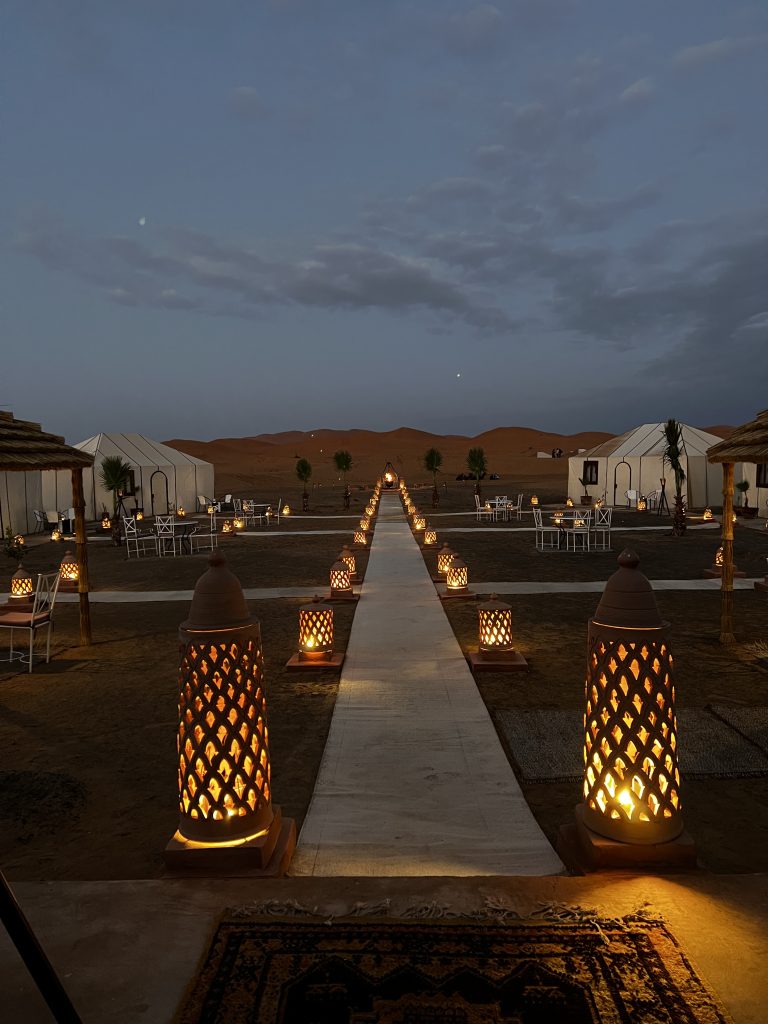
Why Choose Morocco Service Tours
When planning your khamlia or Merzouga adventure, partnering with experienced operators makes all the difference.
Our Advantages:
- Local guides born in desert communities
- Flexible itineraries tailored to your interests
- Transparent pricing with no hidden fees
- Eco-friendly camps supporting local communities
- 24/7 support throughout your journey
We handle the complicated logistics, transportation, accommodation, permits, activities—so you focus on making memories. Whether you’re visiting Morocco for the first time or returning to explore deeper, we create journeys that exceed expectations.
Your Sahara Journey Awaits
Your decision between Khamlia village or Merzouga desert isn’t about right or wrong, it’s about matching method to your personality and priorities.
Ready to book? Contact our team for personalized recommendations matching your travel style, budget, and dates. We’ll help you design the perfect balance of independence and support for your unforgettable Sahara adventure.
Share your desert adventures with us on Pinterest or instagram and inspire fellow travelers!
Because the question isn’t really “Khamlia vs Merzouga”—it’s “How do I experience the Sahara in a way I’ll remember forever?” Let us show you.
Frequently Asked Questions About Khamlia Village
-
Khamlia Village a tourist trap or worth visiting?
Khamlia is not a tourist trap. It’s a genuine village with authentic Gnawa cultural heritage that has adapted to tourism as an economic strategy. The experiences offered—particularly music performances—are real cultural traditions, not manufactured shows, and prices are fair (typically 50-100 dirhams for music sessions). However, it is tourism-dependent, so you’re participating in organized cultural tourism rather than stumbling upon untouched authenticity. Visit with respectful expectations and fair compensation, and you’ll have a meaningful experience.
-
How much should I pay for a Gnawa music performance in Khamlia in 2026?
The standard suggested donation for a Gnawa music session in Khamlia is 50-100 dirhams (approximately €5-10) per person. This typically includes an hour-long performance by 3-5 musicians, unlimited mint tea, and conversation about the music’s history. If the performance exceeded your expectations or lasted longer, tipping an additional 20-30 dirhams is appreciated but not required. These payments directly support the families preserving this UNESCO-recognized cultural herita
-
What’s the best time of year to visit for Morocco desert tours?
October through April offers the best weather, with daytime temperatures ranging from 20-28°C and cool nights. March and October are particularly pleasant. Summer (June-August) reaches 45°C+ and is extremely challenging, though some travelers enjoy the dramatic heat and empty desert. Winter nights (December-February) can drop to 5°C or below, so bring warm layers. Avoid major holidays when accommodation fills up quickly.
-
Do I need a 4×4 vehicle to reach Khamlia or the desert camps?
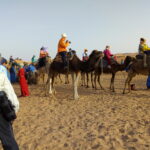
The paved road between Merzouga and Khamlia is accessible by any vehicle. However, reaching most desert camps requires a 4×4 because you’ll be driving on sand. If you’re renting a car, standard vehicles work fine for the villages themselves, but you’ll need to arrange 4×4 transport for dune excursions. Most accommodations offer this service, or you can book it as part of a comprehensive tour package.
-
Can I visit Khamlia independently or do I need a tour?
You can visit Khamlia independently if you have transportation (it’s 7km south of Merzouga on a paved road). Upon arrival, locals will offer to host you for music and tea—this is normal, not a scam. However, many travelers prefer organized tours because: (1) guides provide cultural context and language translation, (2) pre-arranged visits ensure quality experiences with vetted families, and (3) tours often combine Khamlia with desert camps and dune exploration in comprehensive itineraries. Independent visits work fine if you’re comfortable with spontaneous cultural navigation.
-
Can I book accommodation and desert camps when I arrive, or should I reserve in advance?
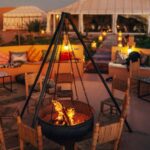
During high season (October-April, especially December-January), advance booking is essential—the best accommodations and camps fill up weeks ahead. In low season (May-September), you can find availability on arrival, but you’ll have limited choice and may not get your preferred options. For peace of mind and better rates, I recommend booking at least 2-4 weeks in advance, or working with a local agency who can secure quality options at fair pric
-
What’s the best time to visit Khamlia Village?
The best months to visit Khamlia are October through April, when daytime temperatures range from 20-28°C. March and October offer ideal conditions with fewer crowds. Summer (June-August) reaches 45°C+ and is extremely challenging, though some travelers appreciate the dramatic heat and solitude. Winter nights (December-February) can drop to 5°C, so bring warm layers. For time of day, visit mornings (9-11 AM) or late afternoons (4-6 PM) to avoid the midday tour bus rush and get more personal interactions with locals.